Year: 2015
-
The co-production confusion
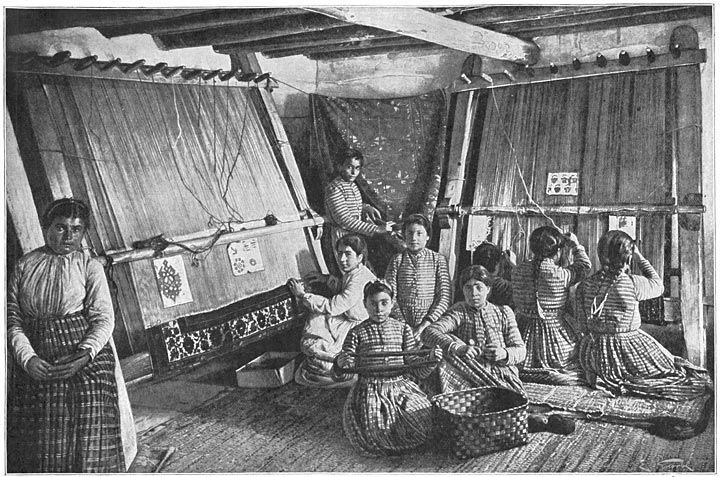
The word co-production is used a lot around me. However, the situation is quite confusing. Upstairs, in the public policy corridor, it is used in one way; downstairs, in the Science and Technology Studies (STS) corridor, it’s used in another way. So I set out to get to the bottom of this confusion. But of…
-
Genes, microbes, us
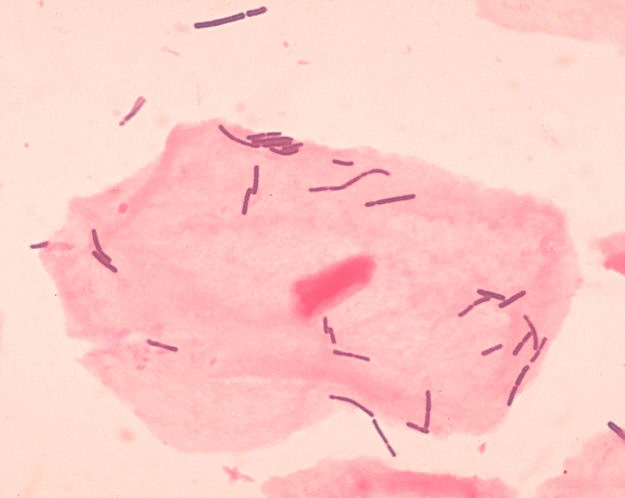
Jon Turney has just published a fascinating new book about the microbiome and microbiomics entitled I, Superorganism: Learning to love your inner ecosystem. This blog post is a collection of thoughts provoked by this book; it’s not a book review. Coincidentally, Jon’s 1998 book Frankenstein’s Footsteps was my gateway into the social and cultural study…
-

Mundane Consequences of the Unintended
This is a GUEST POST by Richard Helliwell, a PhD student at the Institute for Science and Society. How can responsible research and innovation frameworks deal with mundane consequences, consequences that although minor add perhaps imperceptibly to the load of daily frustrations and annoyances that emerge through our interactions with various technologies and services. The…
-

Making sociology public
This is a GUEST POST by MARK CARRIGAN. He is a Research Fellow at the Centre for Social Ontology at the University of Warwick and a Digital Fellow at the Sociological Review. You can find more information about him at the end of this post. Ever since I began to study Sociology, I’ve been fascinated…
-
Basic science and climate politics: A flashback to 1989
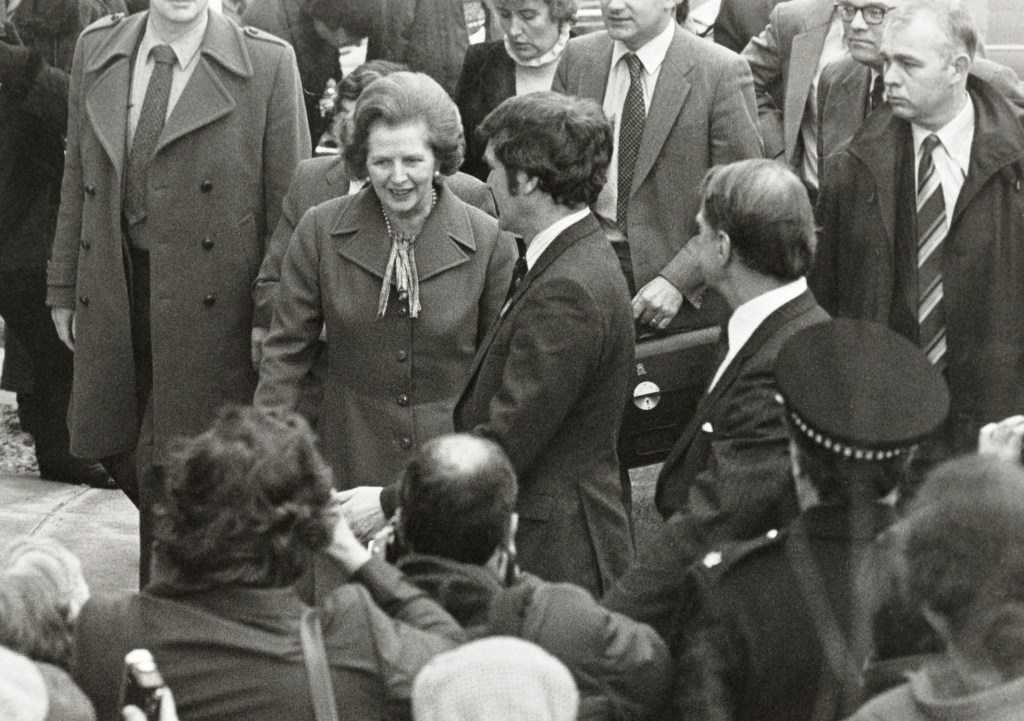
We were trying to empty a room for refurbishment. So we rummaged through some old papers which included amongst many others: Karl Popper’s last paper entitled “Towards an evolutionary theory of knowledge” (with the enigmatic scribble: ‘Popper’s last paper is better than ‘Krapps last tape’), and a typescript from 1989 of a speech by Margaret…
-

A cut too far? The ritual slaughter debate in Britain
The World Food Summit, in 1996, agreed a definition of food security that included the requirement that food met the food preferences of communities. Indeed, it is evident that food preferences reflect aspects of culture including religious identity. Where food preferences include the consumption of animals, debates about animal welfare also arise which can come…
-
Science, politics and science communication
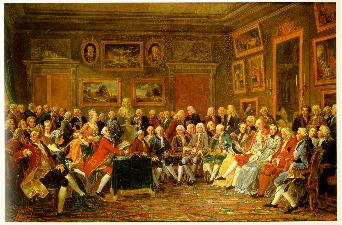
I sometimes get asked why I write blog posts about science communication and even sometimes practice science communication, given that science communication is not really the focus of our ‘Making Science Public’ programme of research (which was drafted in response to a Leverhulme Trust call for proposals on ‘science and politics’). Despite its title, the…
-
Science communication and ‘vulgarisation scientifique’: Do words matter?
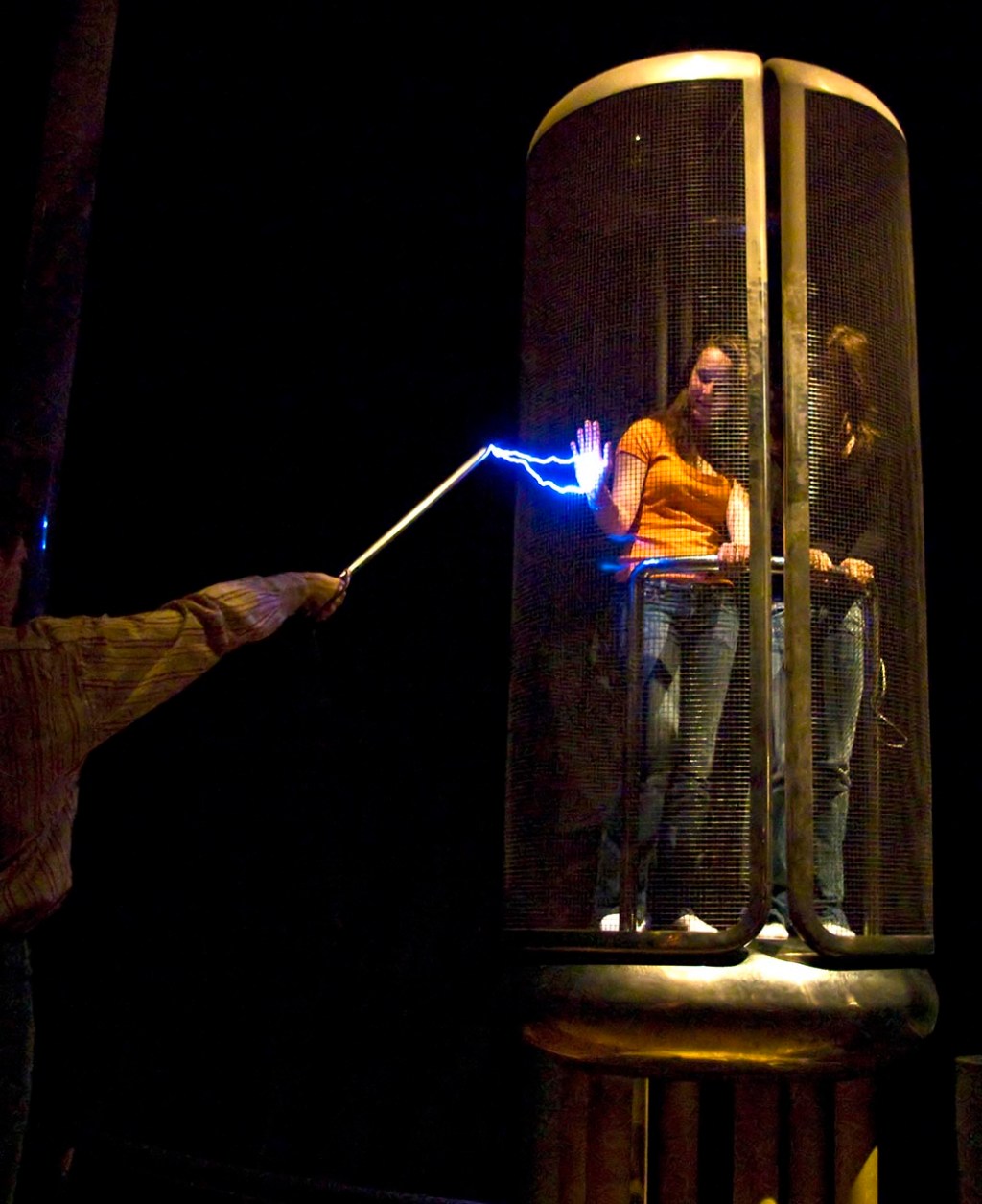
A Spanish colleague and friend recently sent me a Portuguese caricature about ‘science communication’ with the following title: “Como a maioria do jornais divulga ciência” (How the majority of newspapers disseminate science). I’ll only translate the first two panels, as the third one is a bit coarse: Scientist: We have destroyed 10% of cancerous cells…
-
Hottest year on record
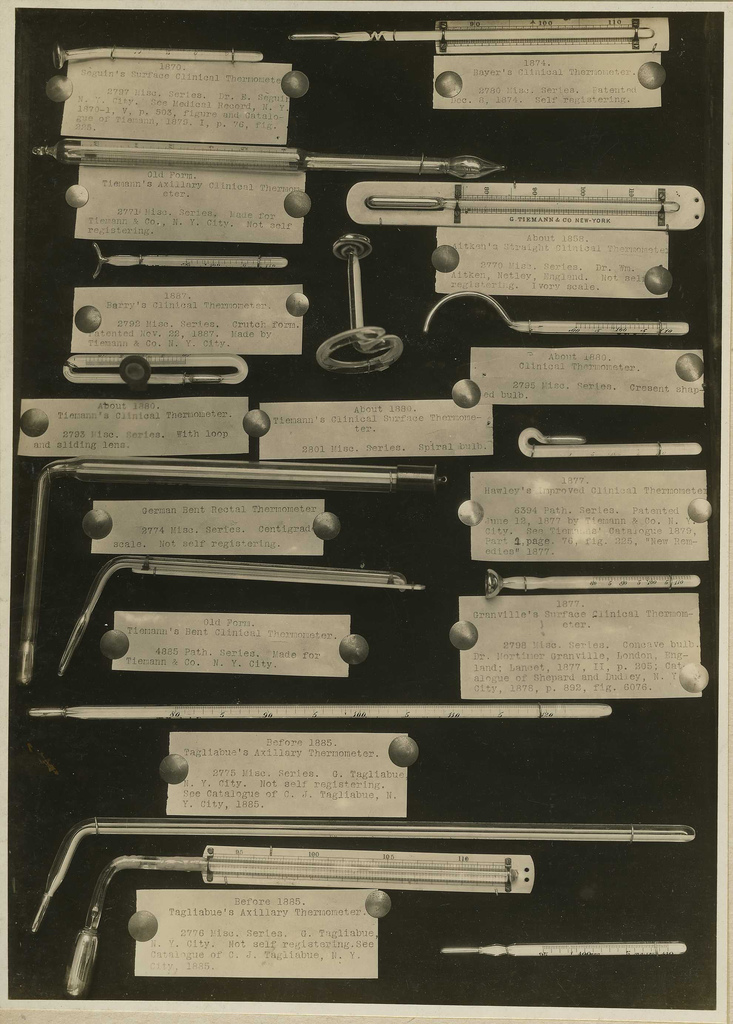
Media reporting on climate change has heated up a little bit over the last ten days or so, after an announcement by NASA and NOAA which read like this: “NASA, NOAA Find 2014 Warmest Year in Modern Record”. This was taken up by the media and, between 15 January and 25 January 2015, the phrases…
-

Nanoscience, images and technologies of visualisation: A space odyssey
This blog post is a story about an intellectual and collaborative adventure that should be all too familiar to academics. However, opportunities for such adventures may sadly be disappearing in an era of impact driven research. It is a story of how enthusiasm, curiosity, serendipity and collaboration can lead to unexpected and joyous outcomes. At…
 Making Science Public