Year: 2017
-

Eyes, erosion and expertise
Over the last month or so I have been struggling with some eye problems. Several times I found myself in Eye Casualty and observed the sun rising over the Queen’s Medical Centre buildings. I am glad they exist just around the corner from where I live. It took a long time to get the bottom…
-

Science and metaphor: Some historical perspectives
Over the last thirty years or so I have written about metaphor and its importance to language, thought and social interaction. In the last fifteen years, I have focused in on the relation between metaphor and science, especially science communication. However, only recently has it dawned on me how little I actually understand about metaphor…
-

Base editing, biological complexity and the limits of metaphorical explanation
Gene editing has been in the news since around 2013. Here I want to focus on one of the most recent advances which made me question my own understanding of gene editing. In 2015 a team of scientists led by Junjiu Huang at Sun Yet-Sen University in Guangzhou, China, used gene editing techniques, in this…
-

Science/climate communication: A view from reception theory
There has been some controversy recently surrounding a paper published in Nature Geoscience on global warming or, if I understand things correctly, about whether there might be a slightly better chance of avoiding it. This paper appears to have been misunderstood, misrepresented and misreported. One Mail Online headline read: “Fear of global warming is exaggerated,…
-

Turning bacteria into passwords
A few days ago, I had the pleasure to meet two enthusiastic members of the first Nottingham iGEM team: Vikram Chhapwale, who specialises in computer science and AI, and Chris Graham, an emerging expert in biochemistry and genetics. Both are undergraduates studying at the University of Nottingham. Chris and Vikram are part of a seven-member…
-

Making lasers public: The European X-ray Free Electron Laser
Last weekend, my mum phoned me from Germany to tell me about the new x-ray laser inaugurated in Hamburg (as I later learned this is the European X-ray Free Electron Laser or XFEL) and asked me whether I had heard about it and whether I could explain what it did. I hadn’t and I couldn’t.…
-
Putting the colour into 3D printing with atoms
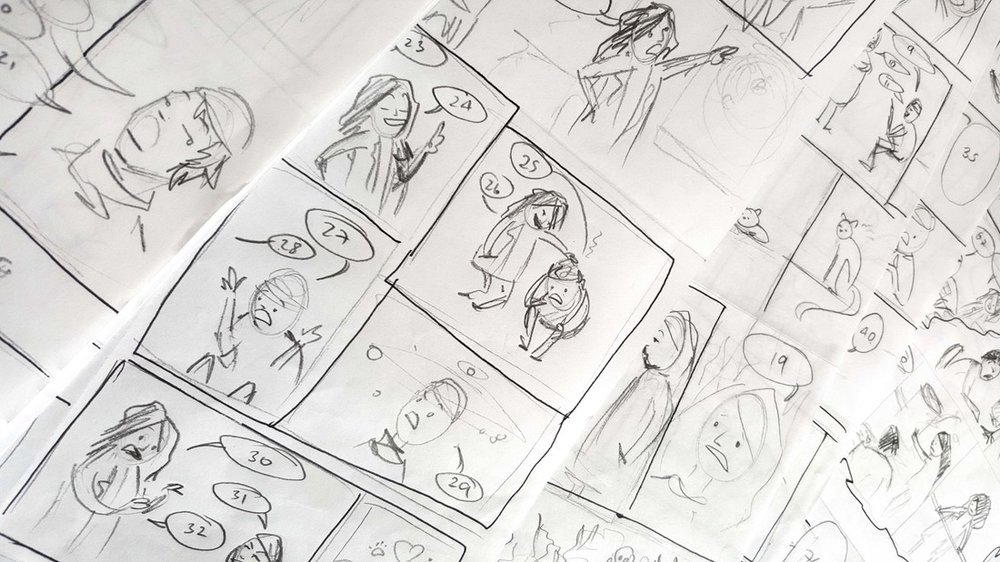
A while ago Phil Moriarty and I started a project, namely, commissioning a graphic novel to make public an EPSRC funded project on 3D printing with atoms. I have written two posts about this here and here and Phil has also talked about this here. Progress has been a bit slow because university bureaucracy put…
-
Hurricane Harvey: Some reflections on climate change communication
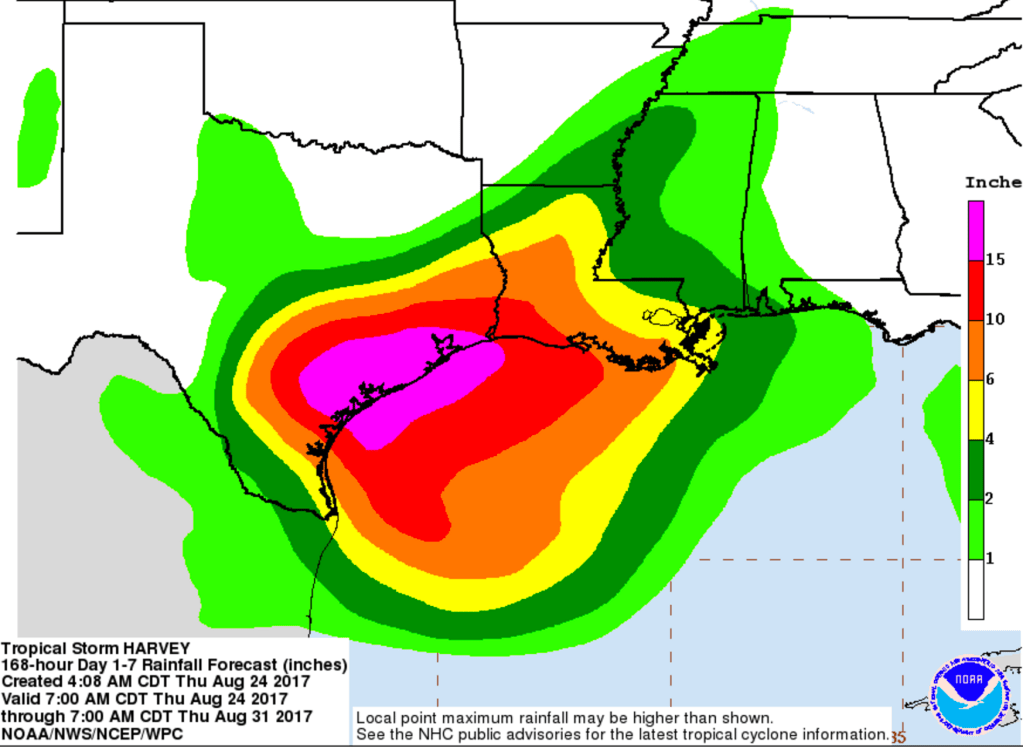
Hurricane Harvey has hit Houston and its aftermath is causing extreme flooding. This made me think… I remember sitting in an airport lounge in 2005 somewhere watching Hurricane Katrina unfold on TV screens and beginning to think about climate change as a social issue. A year or so later I started to notice the spread of a…
-

Milton and Galileo: Affinities between art and science
I don’t know much about John Milton and Galileo Galilei. However, I have stood beside Milton’s Mulberry tree at Christ’s College, Cambridge and beside Galileo’s chair and lectern at the University of Padua – and felt some affinity with the poet and the scientist. I didn’t know though that there was actually a connection between Milton…
-

Making science popular: Science communication in 19th-century France
Some weeks ago I saw a tweet in my timeline which contained an engraving of an iguanodon skeleton. The skeleton had been exhibited in Brussels and its picture appeared in the 1883* issue of the French popular science magazine La Science Illustrée. This made me think of an old blog post of mine entitled “Making Science Picturesque”, where…
 Making Science Public