Year: 2025
-

Public engagement with AI: Some obstacles and paradoxes
I recently listened to a webinar by social scientists who had studied what AI researchers say about public reception of AI. The most important words I heard were ‘evidence’ (about public attitudes to and inclusion in AI) and ‘voices’ (of communities underrepresented in or negatively impacted by AI). The main argument was, I think, that…
-
Geoengineering and metaphors, 2009 to 2025: Continuity and change
Since around 2006, I have been interested in speculations about geoengineering, that is, attempts to deal with climate change by directly intervening in the planet’s atmosphere, oceans, or land. Such interventions include pulling carbon dioxide from the atmosphere or dampening solar radiation. In the UK there have been three inflection points in reflections about such…
-
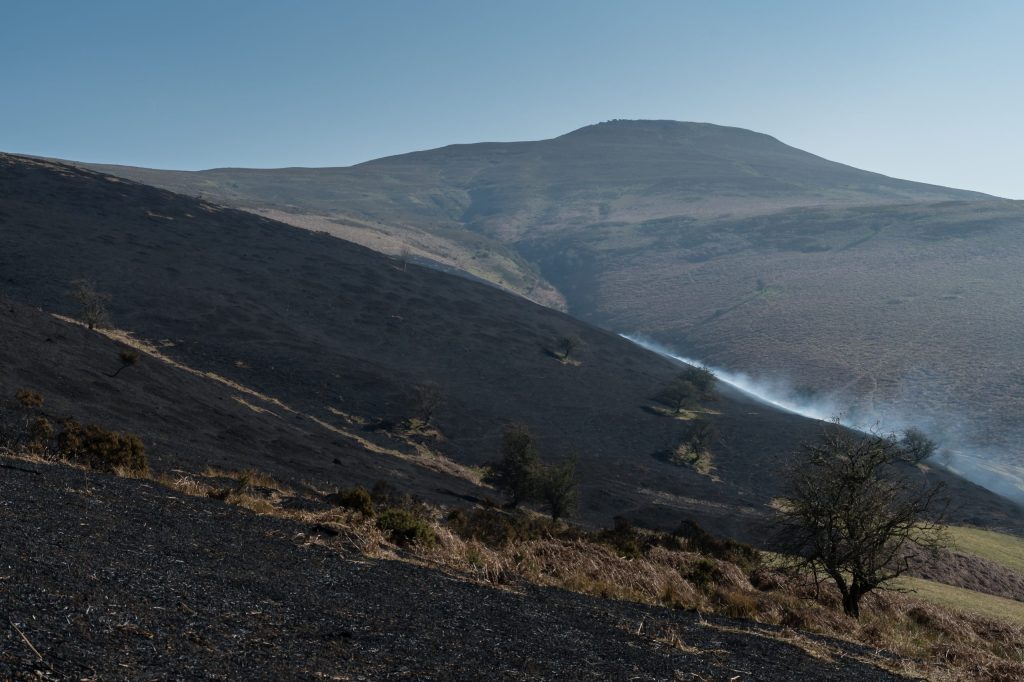
Wildfires in the UK: How do we talk about them?
On 1 May 2025, a member of the UK Meteorological Office noted on Bluesky that: “With the temperature at Kew Gardens reaching 28.0°C and still climbing, it is now officially the warmest start to May on record for the UK.” At the same time, the Metro newspaper reported that “UK records hottest start to May…
-

Carbon bombs: On climate change and lexical change
Have you heard about car bombs? Surely, you have. Have you heard about ‘carbon bombs’. Probably not. I hadn’t, until my husband shoved The Guardian under my nose this morning and pointed to a headline saying: “UK banks put £75bn into firms building climate-wrecking ‘carbon bombs’, study finds”. He did that because he knew that…
-

Space, hype and science communication
I recently wrote a post with Kate Roach about some hyped-up claims regarding de-extinct dire wolves. In the middle of writing about this, another claim came along, and, again, I thought “hmmm, is that really true or is it hype?”. This time it was not about de-extinct life but about extraterrestrial life. At the same…
-
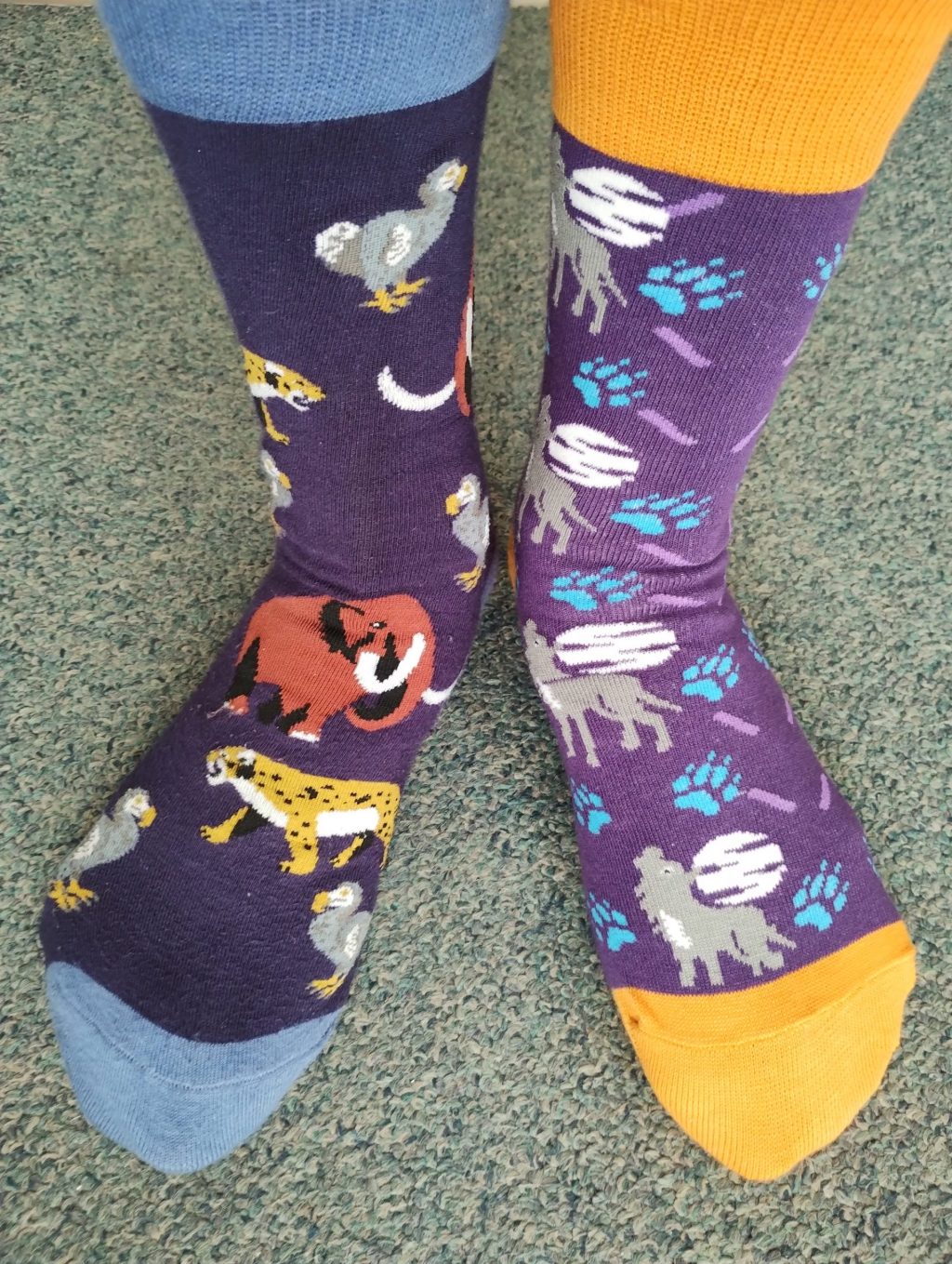
The (not) de-extinct dire wolf: Metaphors, myths and magic
This post is a collaboration between Brigitte Nerlich and Kate Roach, both retired social scientists with interests in science, culture and society. *** I (Brigitte) first heard about the dire wolf in a post by the science writer Carl Zimmer linking to an article he had written for the New York Times. I had never…
-

Science, stories and the secrets of survival
I recently read a post on Bluesky by Adam Roberts, a British science fiction and fantasy novelist that said: “MODERN MAGIC MAKES MANIFEST MERLIN’S MEDIEVAL MYSTERIES”. I was instantly hooked and found out that this is a nicely alliterative rendition of the original title of a press release announcing that “Fragments of a rare Merlin…
-
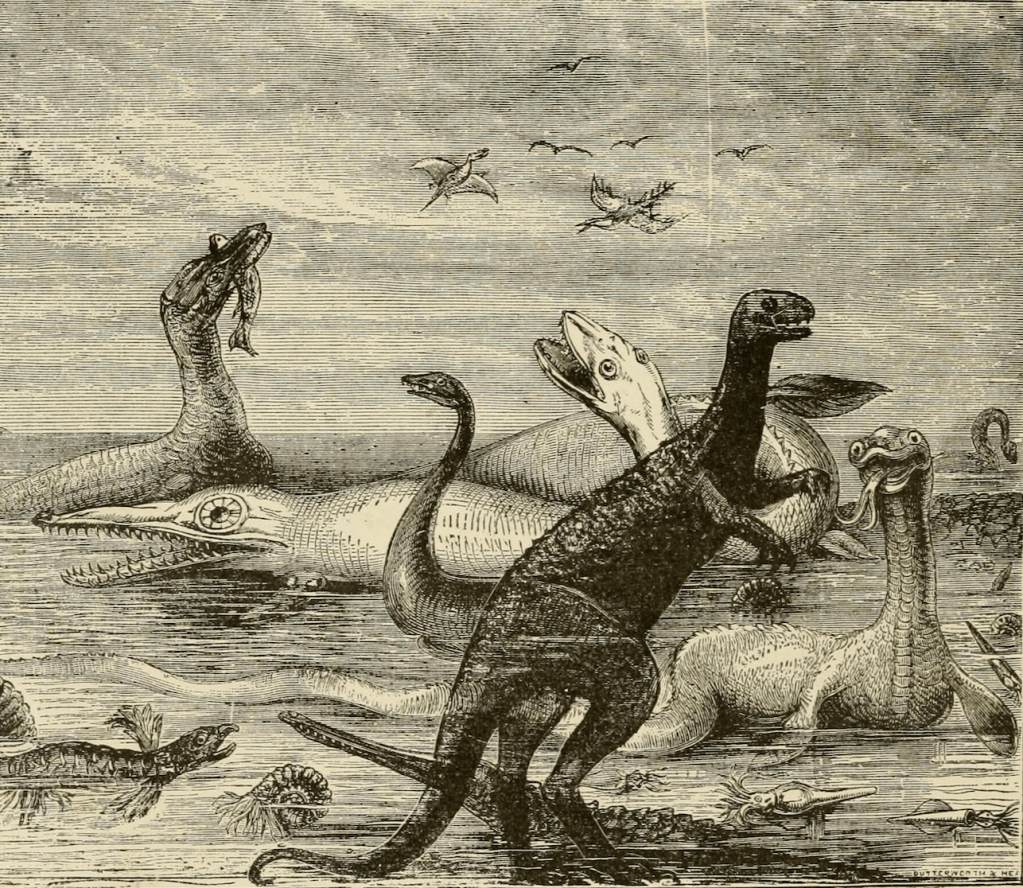
Contesting Earth’s History
This is a GUEST POST by Richard Fallon, a Postdoctoral Researcher at the Natural History Museum, London. Richard has studied interactions and overlaps between literature and science, focusing on the long nineteenth century and paying particular attention to the literary popularisation of dinosaurs. His current work examines transatlantic geoscience between the 1860s and the 1920s characterised by…
-

Compound weather: Some linguistic musings
You might have heard of a ‘compound fracture’ or of ‘compound interest’ or even, if you are a linguist, of a ‘compound noun’ (nouns consisting of more than one noun). But have you come across ‘compound weather’? I recently came across this expression when looking at some extreme weather disasters which were compounded by compound…
-

Fin-de-Siècle Youth Magazines and their Construction of Gendered Responses to Sickness
This is a post by SUSAN SUDBURY. Susan is a fifth-year honours student completing a Bachelor of Advanced Humanities at the University of Queensland, Australia, where she is studying an extended major in English Literature. I am here reposting with permission a blog post that she wrote as part of the Media and Epidemics project.…
 Making Science Public