Category: Language
-

Metaphors AIs live by
I wanted to write something about the history of science this week but I’ll postpone that until next week. In this post, I just want to draw your attention to a phenomenon relating to AI and metaphors that is quite intriguing and that I don’t understand, especially since I only use AIs, that is Claude,…
-
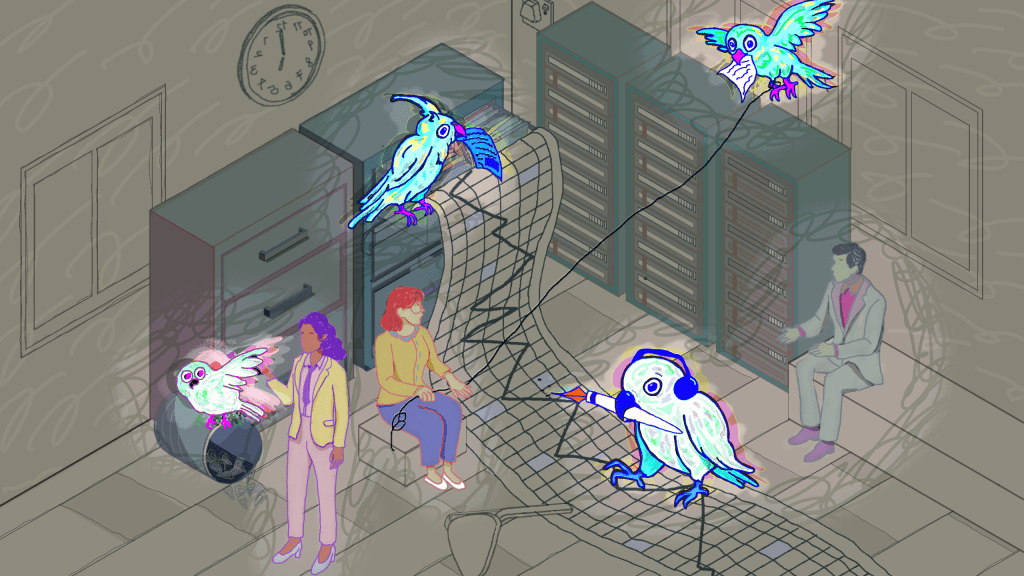
Metaphors in AI and genomics: Going beyond blueprints and parrots
I have been writing about metaphors in genetics and genomics since 2003 and about metaphors in AI/GenAI/LLMs since 2023. Recently, I started to wonder whether there are any similarities and differences in the nature and use of metaphors between the two fields and whether this has any possible impact on science communication. As usual, I…
-
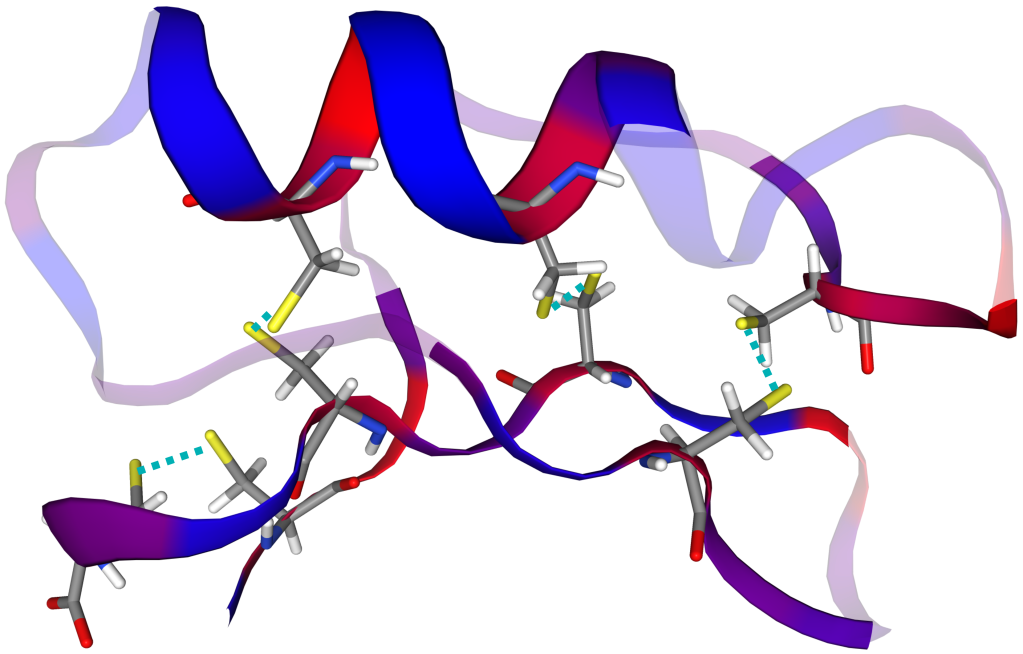
Peptides, wellness and woo: A linguistic analysis
My recent blog posts have mainly dealt with topics focusing on AI and metaphors; but for a while now I wanted to get back to writing something about biology, a field which has fascinated me for a long time. Then I saw an article in The Guardian on an injectable ‘peptide craze’ sweeping the US,…
-
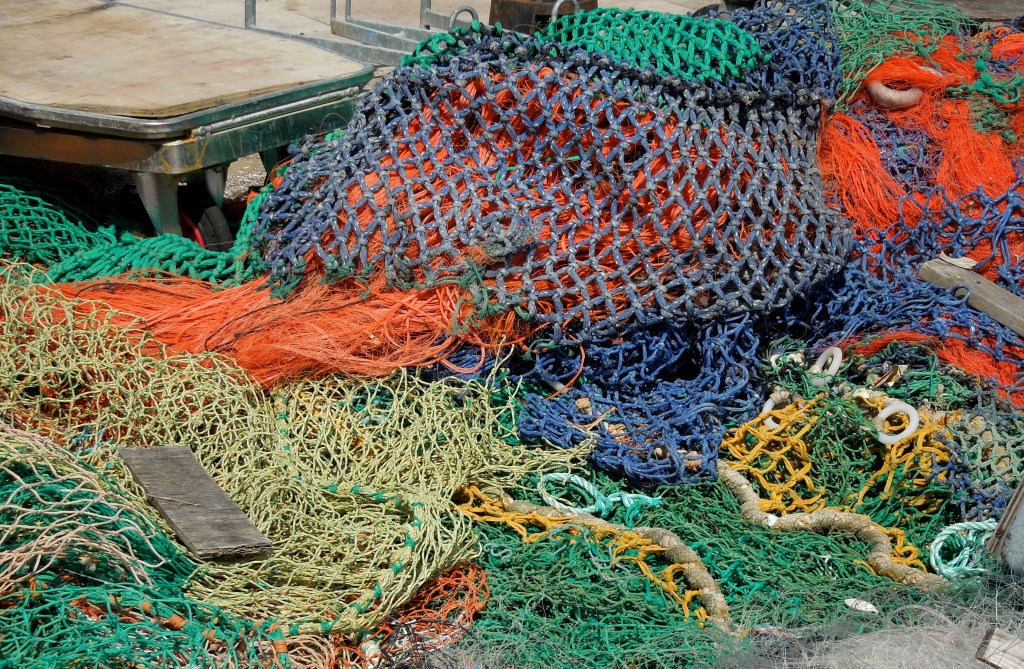
Metaphors for AI: Networks, holes and loops
I have been observing metaphors for generative AI for some time. This does not mean that I understand what’s going on in AI, but they provide me with an illusion of knowledge. They throw a net or mesh of metaphors over the topic that provides something of an epistemological safety net. But sometimes that net…
-

AI veganism: A new dietary metaphor for a new type of discourse
A couple of weeks ago, I told my former colleague Sujatha Raman that I was collecting metaphors for AI, such as AI slop for example. She asked: “Have you heard about AI veganism?” I said no, I hadn’t, whereupon she sent me an article from The Guardian and that set me off down a rabbit…
-
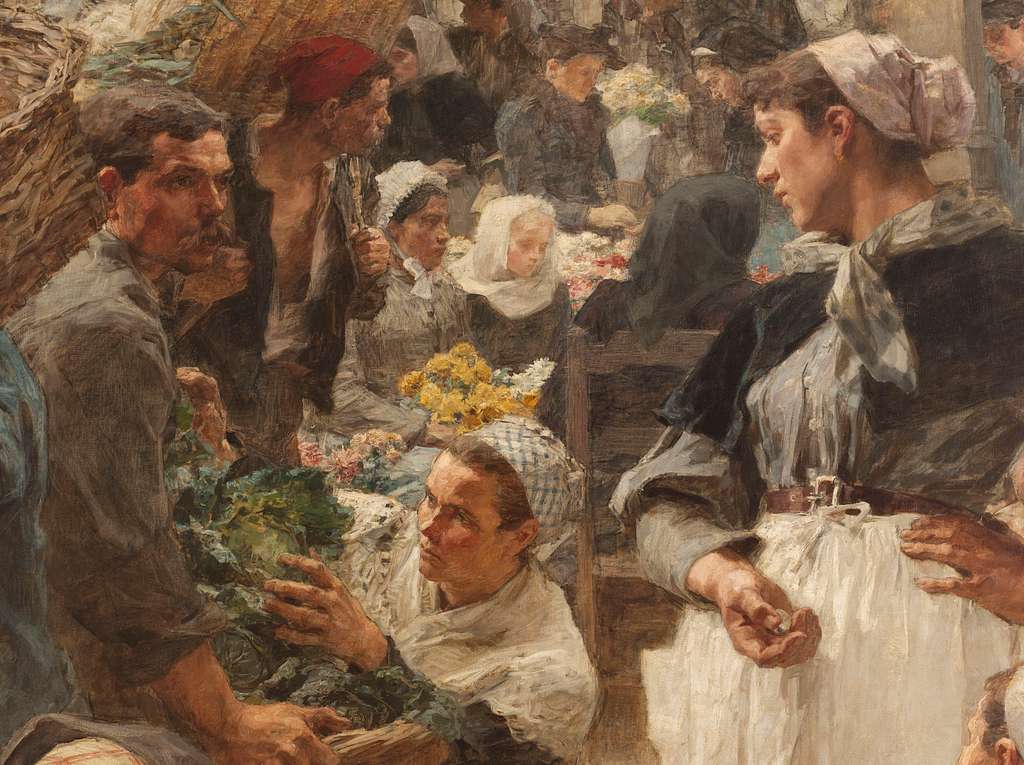
From metaphors on market day to metaphors we live by
I was talking the other day with some people about AI metaphors. During that discussion the thorny question came up ‘what are metaphors anyway?’, followed by ‘is there anything in language that’s not metaphorical?’. This brought to mind a very old quote. In 1730 the grammarian and philosopher César Chesneau Du Marsais said: “I am…
-

“Don’t bang your head on the guardrails”: Geoengineering metaphors, 2026
Sitting on a bus and browsing my timeline on Bluesky on Friday 9 January, I came across a comment by Gaia Vince saying: “Interesting to see the Guardian running a couple sensible opinion pieces on geoengineering recently”. I opened an article she pointed to and immediately saw a juicy metaphor: “In this sense, research acts…
-
Timelines we live in: A linguistic investigation
At the beginning of the year, I was browsing my timeline on Bluesky* and came across sentences like this: “The absolute dumbest possible timeline. That’s what we live in.” “I know we all say ‘this is the stupidest timeline’ a lot but seriously this is the stupidest timeline”; “What a sh!tty-ass timeline to live in”;…
-
From sloppers to slopocalypse: The lexical productivity of AI slop
At the end of last year, I wrote a blog post in which I dissected the word ‘enshittification’, a staple of AI slang. At the beginning of 2026, I want to do the same for enshittification’s conceptual friend ‘slop’, an indicator of what some call the slopification of AI. As the MIT Technology Review said…
-

Making Science Public 2025: End-of-year round-up of blog posts
This year has been quite a year! First, I had to move the blog to a new independent home after the University of Nottingham shut down their blogging platform (I wrote two posts about this, one reflecting on the past and one on the future). Second, there was a lot to blog about, from wildfires…
 Making Science Public