Category: Metaphors
-

Gene drives and Trojan horses: A tale of two metaphor uses
I was reading a recent article on gene drive entitled “Engineering bugs, resurrecting species: The wild world of synthetic biology for conservation” and came across this sentence about a so-called ‘Medea drive’: “This genetic Trojan Horse could then be used to spread elements that confer susceptibility to certain environmental factors, such as triggering the death…
-
New metaphors for new understandings of genomes
This is a guest post by Sarah Perrault and Meaghan O’Keefe (University of California Davis) based on their article “New metaphors for new understanding of genomes”. The article goes beyond regular complaints about the inadequacy of old metaphors, such as the genome as a blueprint, and beyond regular calls for a new language. Instead, it…
-

Xenobots-Xenowhats? Living machines and zombie metaphors
The other day a colleague asked me what I was up to. I said, ‘I am starting to think about xenobots’. ‘Xeno-whats?’ he asked? I muttered something like ‘you know as in ‘xeno-transplantation’, when another colleague butted in and asked ‘like Xenogenesis?’. ‘Xeno-what?’ I asked. It turns out there is a sci-fi trilogy by Octavia E. Butler written in the…
-
Gene drive and grey squirrels: Science and media
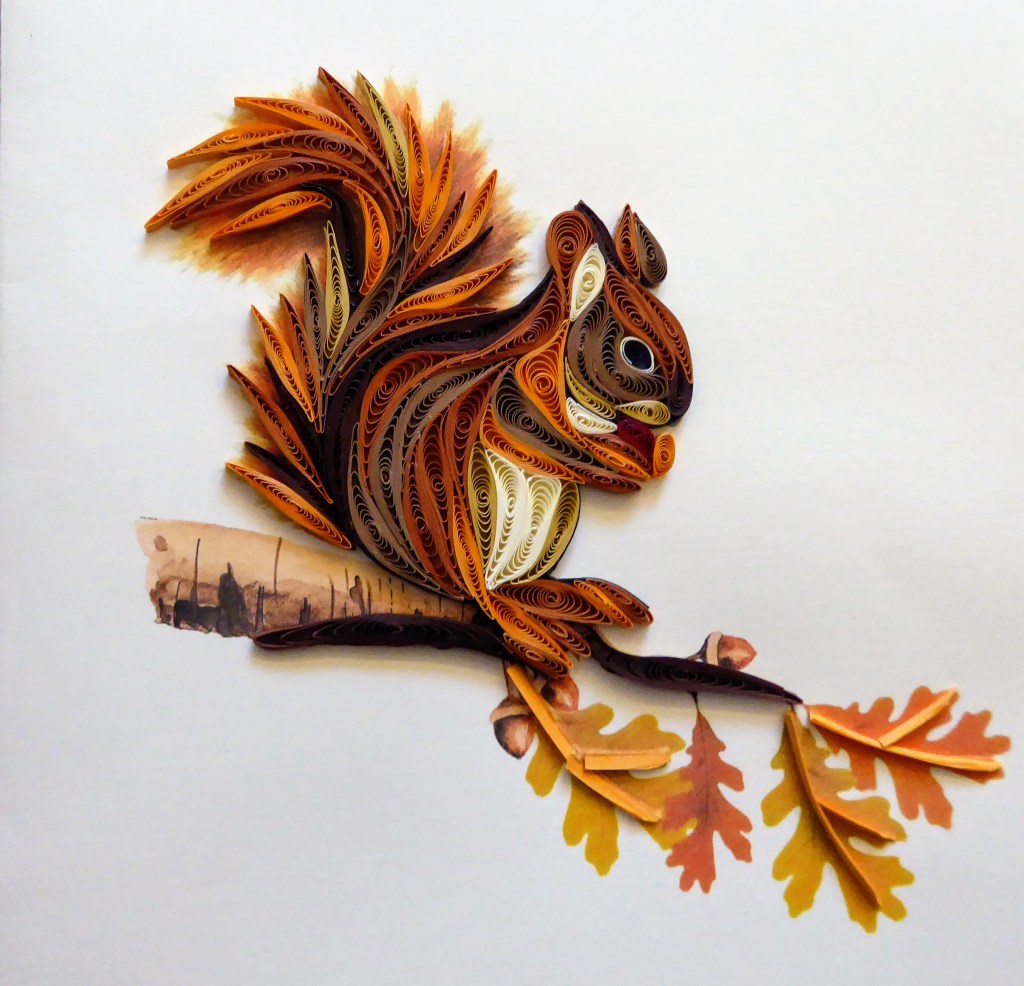
At the beginning of January 2019 an article, entitled “Accelerating Evolution” appeared in The Biologist, a journal published by the Royal Society of Biology (The Biologist 66(6) p18-21). The authors, Bruce Whitelaw and Gus McFarlane, work at the Roslin Institute in Scotland which was involved with the creation of Dolly the cloned sheep in 1996, coincidentally the occasion of…
-

“It’s just like epigenetics” – scientific metaphors for non-scientific concepts
This is a guest post by Cath Ennis. Cath is a Knowledge Translation Specialist with the University of British Columbia’s Human Early Learning Partnership and the Kobor Lab at BC Children’s Hospital Research Institute. *** In our new paper, Brigitte Nerlich, Aleksandra Stelmach and I examined the metaphors used by academic social scientists and alternative…
-
How to do things with epigenetics
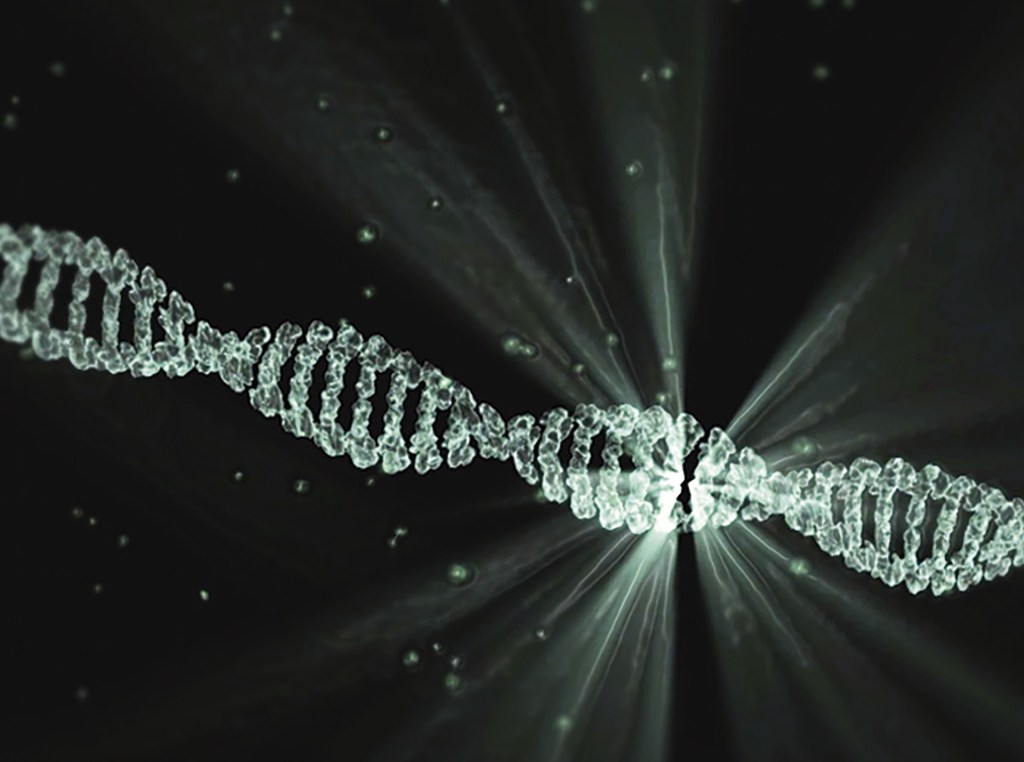
We have just published in article on epigenetics in Social Science Information! It’s part of a special issue coordinated by the sociologist Michel Dubois (CNRS, Paris) that is coming out in print at the beginning of the new year. The special issue deals with epigenetics and interdisciplinarity. Our article examines some obstacles that might hinder…
-

Metaphors and society (and Brexit)
I have been interested in metaphors and society for a long time. My thinking has been influenced mainly by people who wrote about metaphor (and society) at the end of the 1970s and early 1980s; for example, Susan Sontag, Donald Schön, Andrew Ortony, George Lakoff and Mark Johnson and others, who examined ‘conceptual’ or ‘generative’…
-

Encounters between life and language
Philip Ball has just written a great article dissecting new research showing that there is no ‘gene for’ homosexuality. He notes the fallacies behind the facile way of pointing to individual genes and saying what they are ‘for’. This is dangerous, especially when talking about genes for behavioural traits. Single genes don’t determine such traits…
-

Making the transgenerational epigenetic inheritance of trauma real
This post has been co-authored with Aleksandra Stelmach and Alan Miguel Valdez *** Transgenerational epigenetic inheritance (TEI) is a contested hypothesis within the complex field of epigenetics. The guess is that there are molecular mechanisms (‘beyond the gene’) through which social, cultural and physical experiences impact the human body and are transmitted to future generations.…
-

Inspecting Pandora’s box: Promises and perils of gene drives
This is a guest post by Aleksandra Stelmach, University of Nottingham, Institute for Science and Society. *** Some years ago the sociologist Alan Petersen noted that metaphors of new biotechnologies not only express hopes and fears about their use and misuse, but that they also set the agenda for debate and action. Thus, metaphors not…
 Making Science Public