Category: Uncategorized
-
Xenotransplantation
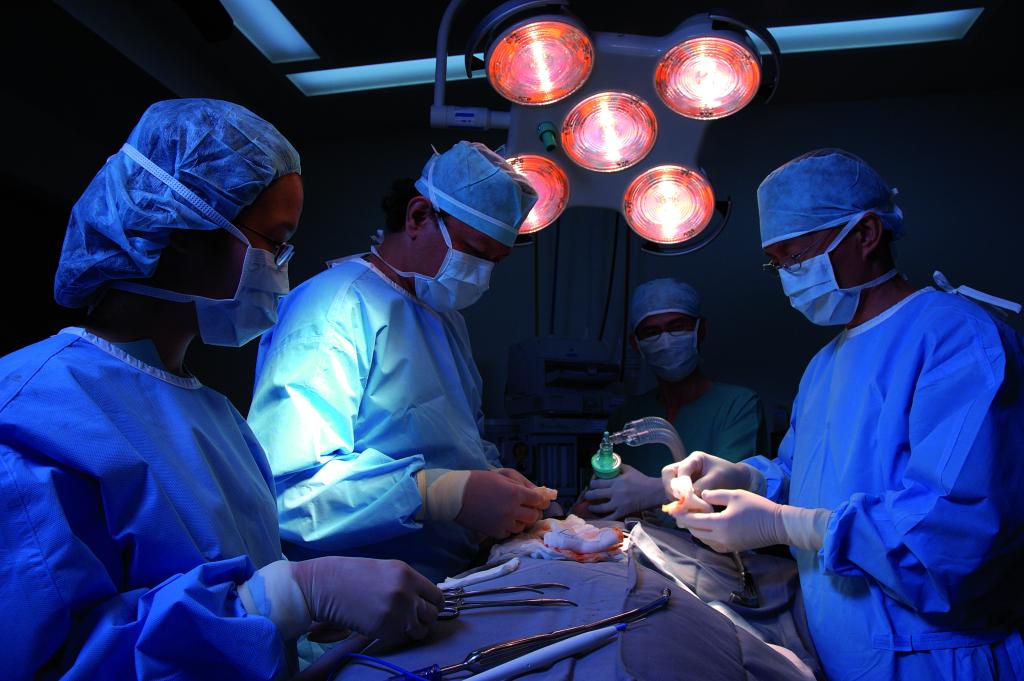
About 25 years ago, I first encountered something called Science and Technology Studies (STS) – a field that examines interactions between science and society (culture, policy etc.). One of the first articles I read, published in 1999, was by Nik Brown on xenotransplantation: “Xenotransplantation: Normalizing disgust”. Using ideas and concepts from STS stalwarts like Mary Douglas…
-

Making epigenetics familiar: The visual construction of transgenerational epigenetic inheritance in the news
Some time ago I wrote a blog post with Aleksandra Stelmach and Alan Miguel Valdez about visuals used to make epigenetics public through the popular lens of transgenerational epigenetic inheritance. I then promised some image analysis. Here is a summary of what we found. The full paper by Alan Valdez and myself is available here. Introduction Epigenetics…
-

John Herschel: A snapshot of his adventures in photography
Sitting at home on a miserable day last week, I was reading a tweet, then a blog post by Stephen Case who wrote a book with my sort of title: Making Stars Physical: The Astronomy of Sir John Herschel. That post cheered me up, as I learned something new. I went to the kitchen to…
-

Science and trust – the sequel
In 2018 a new ‘International Science Council’ (ICS) was established and I wrote a blog post in which I critically dissected the announcement of this launch. I tried to show that this announcement seemed to perpetuate a series of misconceptions relating to science and trust. At the end of October 2023, the ISC Centre for…
-

The Gmelin family: From chemistry to phlogiston and permafrost
I had Covid. I was lying in bed. I saw a tweet by Mark Carnal saying: “Historians of Biology. How on earth is Gmelin pronounced? I’ve not had to say it out loud before.” I am not a historian of biology but, as a German speaker, I was intrigued. So, I looked up the name…
-

Human genome editing summit, London, 2023
Ceci n’est pas un blog post. As I have no time to write anything proper for a few weeks, these are just some notes and pointers. This non-post is ‘about’ the Third International Summit on Human Genome Editing which took place at The Francis Crick Institute in London from 6 to 8 March. I couldn’t…
-
Asteroids: Angst, amazement and avarice
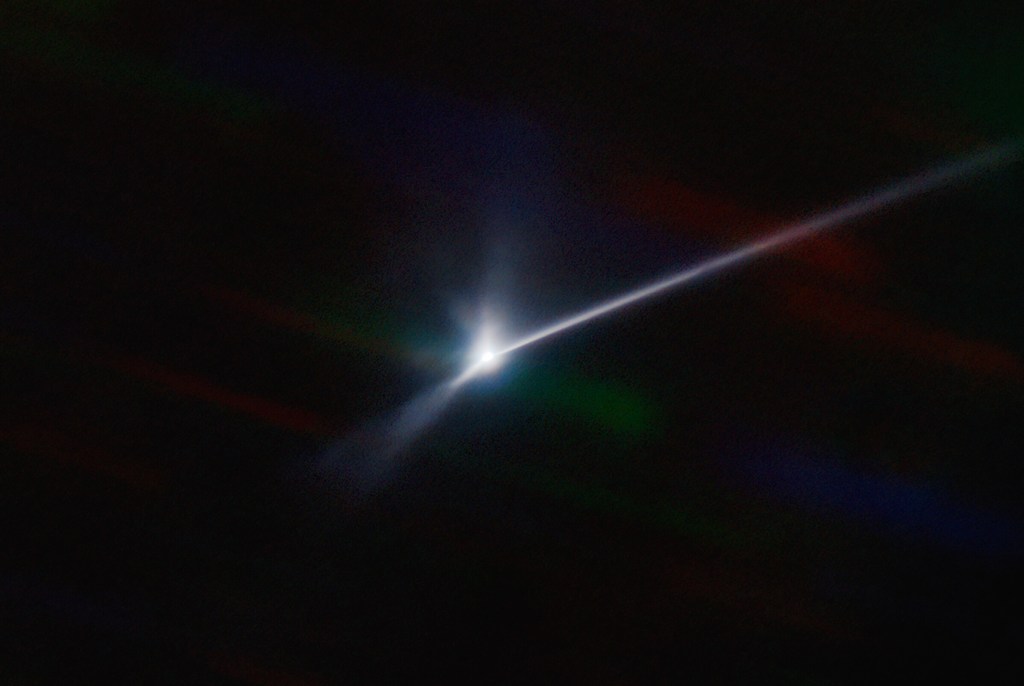
On planet earth it is extremely difficult to change people’s, especially politicians’, behaviour to avert, say, climate catastrophe. Not so in space. Here humans boldly achieve the unthinkable, namely changing the motion of something that’s going in a dangerous direction. What I am talking about is, of course, NASA’s “first-ever mission dedicated to investigating and…
-

Gene drive in the press: Between responsible research and responsible communication
Gene drive is a controversial genetic engineering technique that allows scientists to modify genes so that they quickly spread through a population without following the typical rules of heredity; this can include genes that are of no benefit to the plant or animal involved. Research into gene drives has accelerated since 2015 when another new…
-

Eyes and organoids
I have written in the past about eyes and about organoids (but if you really want to know more about organoids, you should read Philip Ball’s How to Grow a Human). These two topics, eyes and organoids, recently came together. A few days ago, I saw tweets like this: “Small blobs of human brain grown…
-

Symmetry as false balance? Questions for STS
I am not getting involved in the Richard Dawkins tweet debate about whether ‘science’ is a social construct or not. However, seeing the debate flow past me on Twitter triggered a stream of thoughts which I’ll summarise in this blog post – about STS, the symmetry principle, false balance, and how to find ways to…
 Making Science Public