Category: Uncategorized
-

Unpacking Food Waste
In February, the United Nations treated 500 delegates at its Environment Programme event in Kenya to a five-course meal. The surprising thing about this is that all the food served would have been rejected by European supermarkets despite being perfectly fit to eat. Waste food is an important issue for people interested in food provisioning.…
-
The opaqueness of seeing: expertise and guidance in clinical interventions
One of the benefits and, perhaps, risks of calling our research programme ‘Making Science Public’ is that it lends itself to a great many interpretations, something which came out very strongly from our launch event last week. One of these ‘ways of seeing’ Making Science Public is through studying the role of expertise in translating…
-
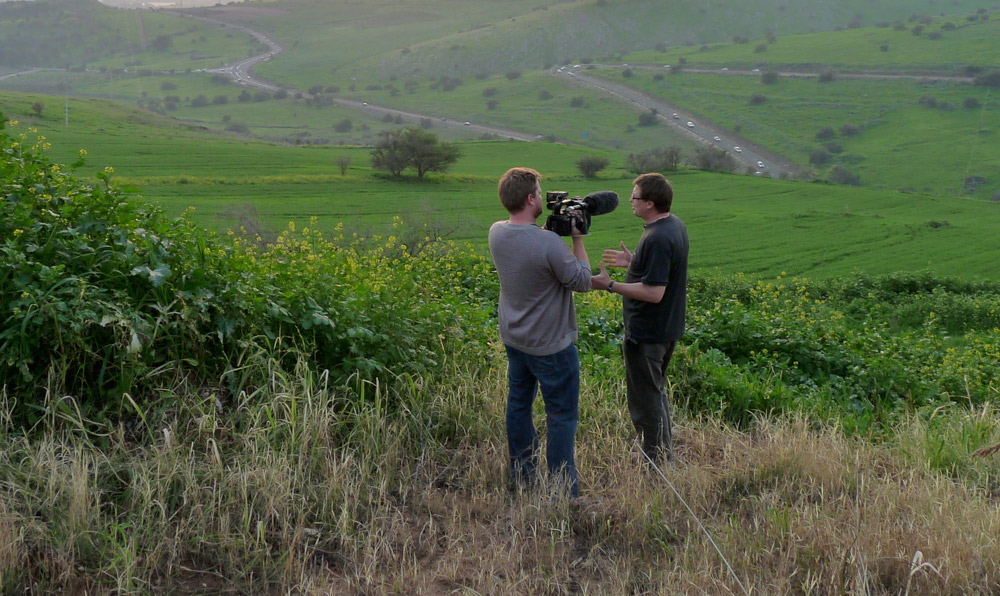
Bringing science to life: Brady Haran’s approach to science communication
I have been following Brady Haran’s work as a science video journalist here at the University of Nottingham since its beginning in 2008. We have had many chats about his ethos and his practice of communicating science. Today I went to a talk by Brady that brought this ethos to life for me, an ethos…
-

What is science communication? Reflecting on one fall-out from the Cox/Ince debate
Just before Christmas 2012 Brian Cox and Robin Ince published an editorial in the New Statesman entitled ‘Politicians must not elevate mere opinion over science’, which provoked a lively debate on twitter, in blogs and in the Guardian about the relation between science and politics, the function of the history and philosophy of science, the…
-
Science in Public 2013 – Call for Panel Proposals
UPDATE: You can see the full Call For Papers including details of all the proposed panels at http://scienceinpublic.org/conference/ 8th Annual Science in Public Conference, 22-23 July 2013 on ‘Critical Perspectives on Making Science Public’ Call for Panel Proposals The University of Nottingham is proud to host the 8th Annual Science in Public Conference, 22-23 July 2013.…
-
Making concepts public: Experiments in ‘conceptual show and tell’
The ‘Making Science Public’ project subsumes nine subprojects led by people from a wide variety of disciplines, such as anthropology, geography, veterinary science, biosciences, sociology, science and technology studies and linguistics. During recent conversations and team meetings it has become clear that some concepts which have an obvious meaning for some members of our group,…
-
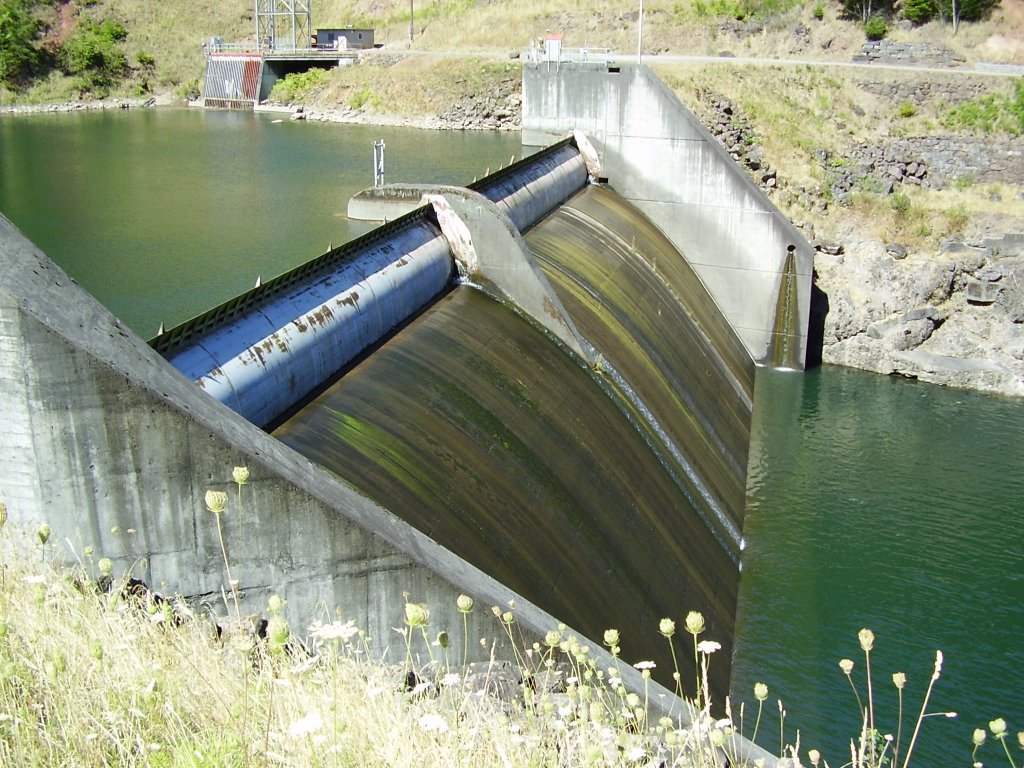
Big Data: Challenges and opportunities
With increasing frequency one can read announcements welcoming us to the age of Big Data (put the phrase “welcome to the age of big data” into google and you’ll get over 488,000 results). Reading about two recent events in particular sharpened my awareness of this new era, namely a big data event at the British…
-

Decision making under uncertainty: Proposal for a new typology
This is a guest blog by our newly appointed Chair in Science and Technology Studies, Professor Reiner Grundmann. It guides readers to a paper which presents thoughts on science, politics and decision making, linked to my recent blog on the impact of earthquakes, but going beyond it by exploring various theoretical and policy angles that…
-
Making the invisible visible: On the meanings of transparency
One of the key themes of our ‘Making science public’ research programme is ‘Transparency, expertise and evidence in policymaking’. Recent encounters with various uses of the word ‘transparency’ made me put on my linguistic hat and ask: What does ‘transparency’ actually mean? In the sense of, how was it used in the past and how…
-

Handmaidens and plumbers: The role of the humanities and social sciences in modern academic life
A few days ago I attended a student-organised conference on interdisciplinarity, Enquire, held at the School of Sociology and Social Policy here in Nottingham. Professor Alison Pilnick, a specialist in doctor-patient interaction and conversation analysis, gave a keynote lecture in which she explored some of the pitfalls of working between disciplines. In her conclusions she…
 Making Science Public