Category: Uncategorized
-

Percy and Ginny: Science and politics in space
For about a decade, I have, off and on, been writing blog posts about space, space probes and space travel as part of the Making Science Public blog. Since 2012, I have been following the Mars rover Curiosity on Twitter, or rather its digital alter ego the Sarcastic Rover. I have a cast iron model…
-
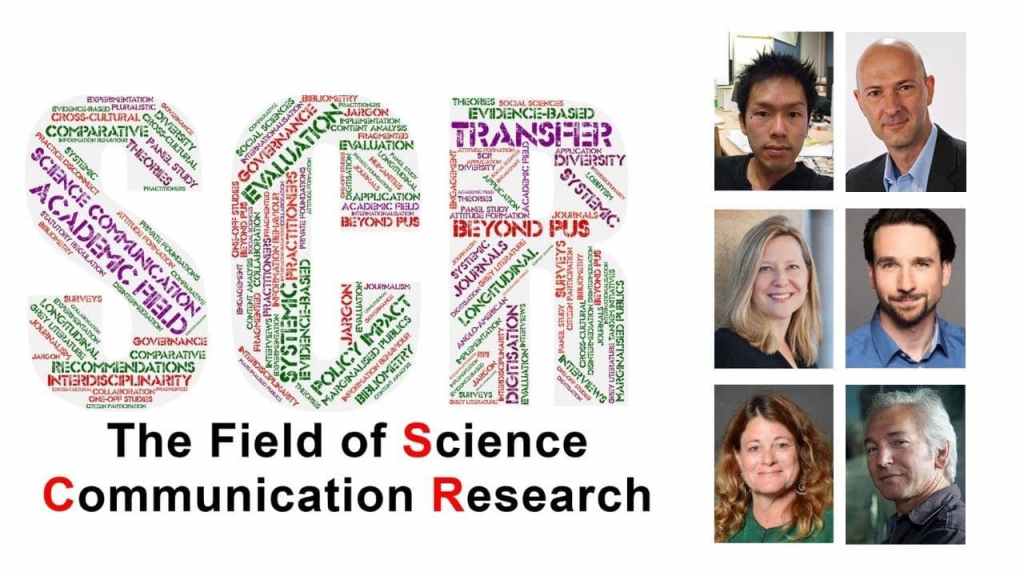
Science Communication Research: Past Patterns and Future Perspectives
This post was first published by Alexander Gerber on the Public Understanding of Science Blog on 7 January 2021. It is cross-posted here with permission. This post provides an overview of a book Alex and his team recently published (open access) entitled Science Communication Research: An empirical field analysis. *** Just like other research fields…
-

Making Science Public 2020: End of year round-up of blog posts
The year began quite innocently, with me blogging, for example, about gene drives. What are gene drives? Who cares about them? And so on. This has now turned into: Who cares? 2020 has been steamrolled by one big event: the Covid-19 pandemic. This meant that many of my posts were devoted to it, that is…
-

Covid anthropology
This is just a quick announcement about an open access triple set of special issues of Anthropology in Action about the new coronavirus and the ways we live now, published by Berghahn, London: “Almost one year into the pandemic the ‘no-touch’ world of COVID-19 is transforming our intimate lives, perhaps permanently in many ways. Edited by Andrew…
-
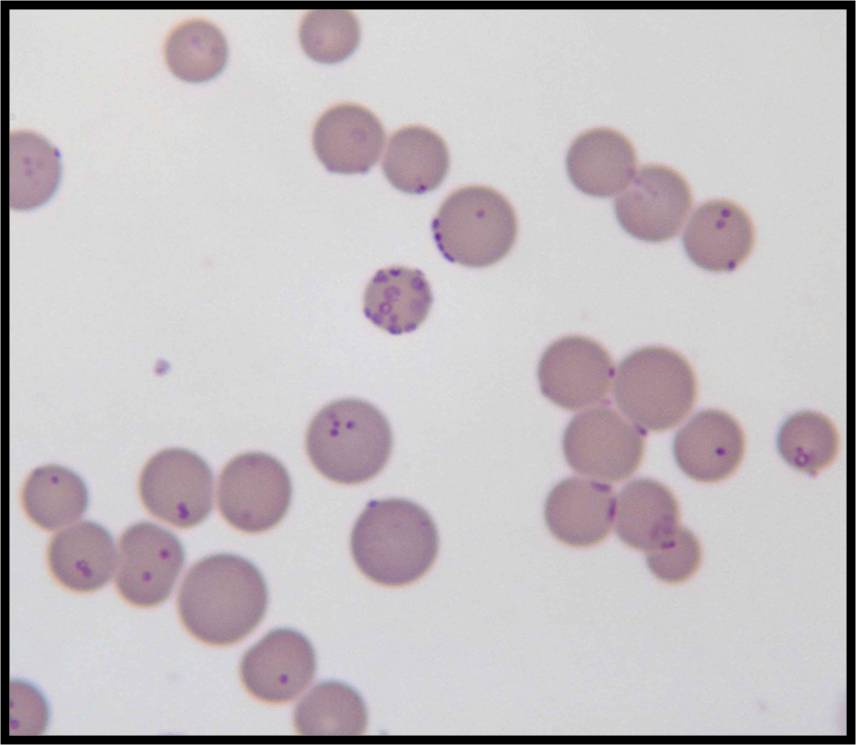
Minimal genomes, maximal assumptions
This is another guest post by Massimiliano Simons who is a postdoctoral researcher at the department of philosophy and moral sciences at Ghent University. He is also a member of the Working Group on Philosophy of Technology (WGPT) at KU Leuven, Belgium. *** Ten years ago the J. Craig Venter Institute announced the birth of…
-

CRISPR, the Nobel, and women in science
I wrote my first blog post about CRISPR, gene editing or genome editing on 24 March 2015. It was entitled “From recombinant DNA to genome editing: A history of responsible innovation?” And I have written quite a few more blog posts about this new biotechnology since then. I knew that sometimes in the distant future…
-

Who killed granny?
A trend seems to be emerging, albeit not a failsafe one, in the management of the coronavirus pandemic. There are countries/nations/regions like New Zealand, Germany and New Mexico (and these are just the ones I sort of listen in to) that have done something right when it comes to dealing with the spread of Covid-19.…
-

The Missing Ingredient: Capacity Building’s Role in Developing Responsible Innovation Systems
This is a guest post by Patrick Backhouse who is an undergraduate student at the University of Exeter Business School. Patrick has been studying responsible innovation as part of a module led by Dr Katie Ledingham. This blog post is based on an essay that he wrote for this module. *** Responsible Innovation (RI) is…
-
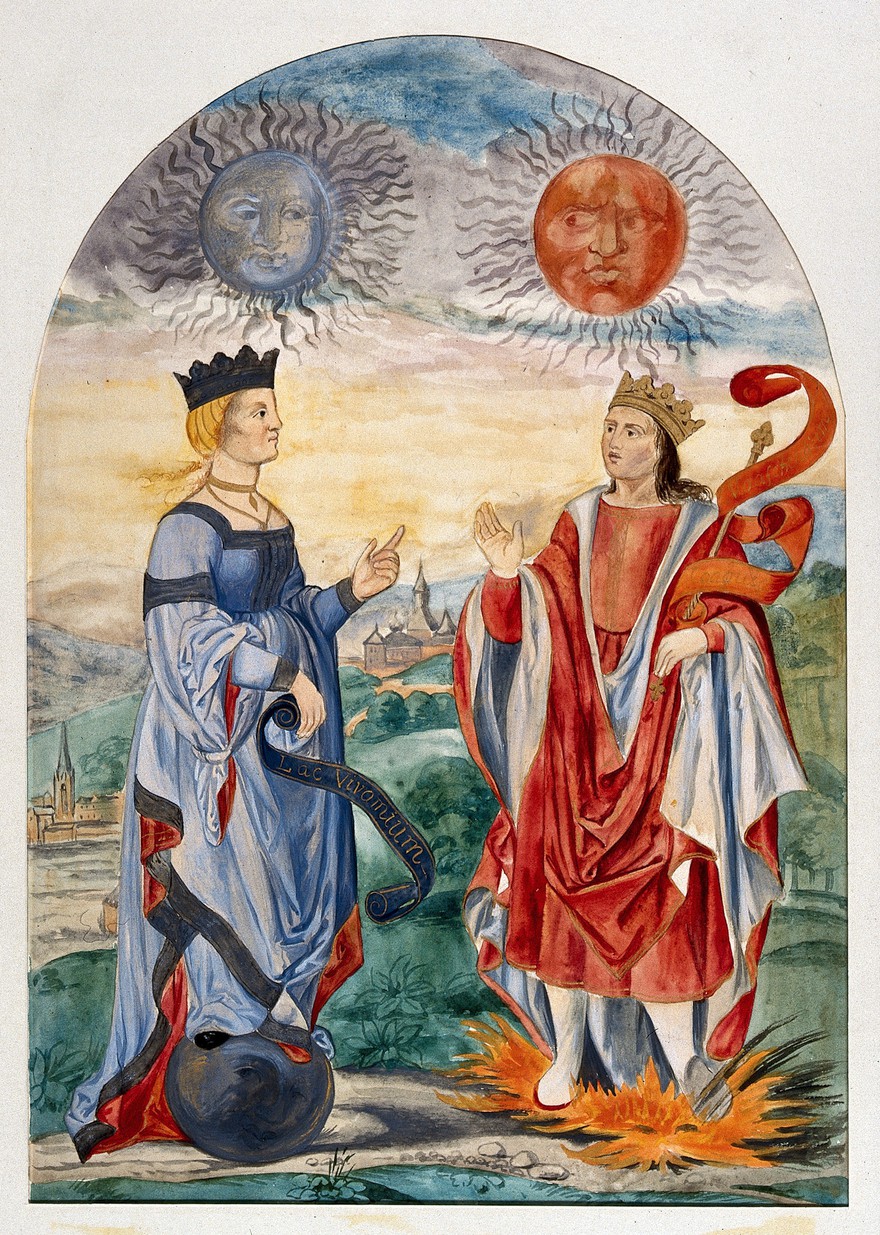
Alchemarium
This is a guest/cross-post by Peter Broks on a new engagement tool he has developed, which looks fascinating. *** Much of what we all do can be seen as a form of alchemy. We start with something; we process it; and, if all goes well, we turn it into something we value more highly. Certainly,…
-
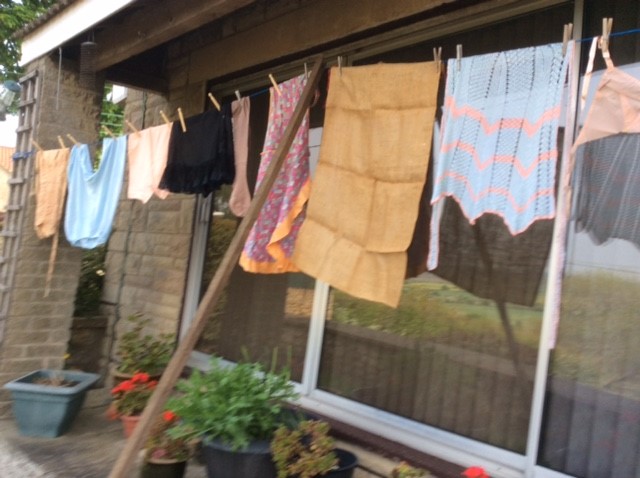
VE Day – a poem by Maureen Sutton
I didn’t want to write a post today, as I had already posted one earlier in the week. But then, by chance Maureen Sutton sent me a poem that made me think and which she has allowed me to publish here. I have come to know about Maureen’s poetry through my earlier post on pandemic…
 Making Science Public