Tag: Artificial Intelligence
-

Metaphors AIs live by
I wanted to write something about the history of science this week but I’ll postpone that until next week. In this post, I just want to draw your attention to a phenomenon relating to AI and metaphors that is quite intriguing and that I don’t understand, especially since I only use AIs, that is Claude,…
-
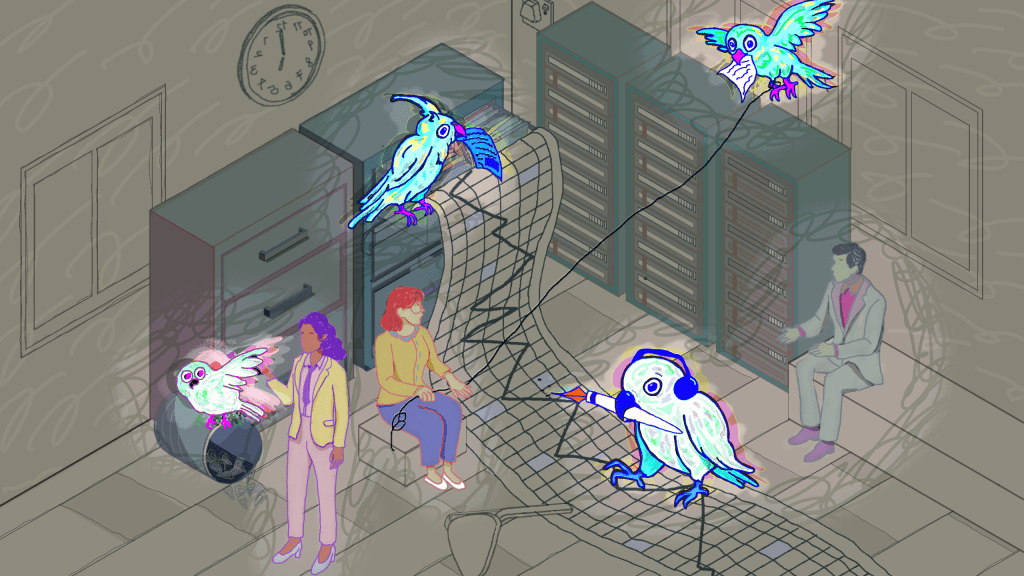
Metaphors in AI and genomics: Going beyond blueprints and parrots
I have been writing about metaphors in genetics and genomics since 2003 and about metaphors in AI/GenAI/LLMs since 2023. Recently, I started to wonder whether there are any similarities and differences in the nature and use of metaphors between the two fields and whether this has any possible impact on science communication. As usual, I…
-

Making and unmaking AI metaphors and magic
Twenty years ago, Noel and Amanda Sharkey, seminal contributors to early AI debates, wrote an article on artificial intelligence and natural magic which deserves to be read again today. They focus on robots and could probably not have foreseen the advances made in the last three years in generative AI, but what they say holds…
-

Moltbook: Snapshots of a metaphorical firework
(Now also available as podcast!!) In late January 2026, a social network appeared where only AIs could post and within days, the internet had responded with an explosion of parodies, panic, and metaphors that revealed as much about us as about the bots. In this post I have taken a few snapshots of this mimetic…
-
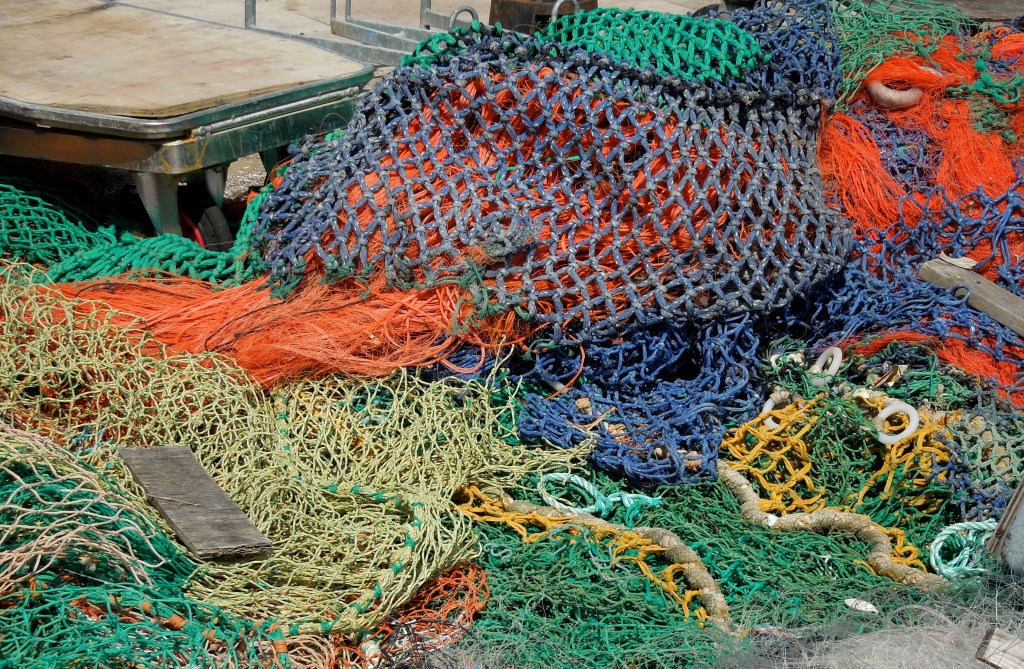
Metaphors for AI: Networks, holes and loops
I have been observing metaphors for generative AI for some time. This does not mean that I understand what’s going on in AI, but they provide me with an illusion of knowledge. They throw a net or mesh of metaphors over the topic that provides something of an epistemological safety net. But sometimes that net…
-

AI veganism: A new dietary metaphor for a new type of discourse
A couple of weeks ago, I told my former colleague Sujatha Raman that I was collecting metaphors for AI, such as AI slop for example. She asked: “Have you heard about AI veganism?” I said no, I hadn’t, whereupon she sent me an article from The Guardian and that set me off down a rabbit…
-
From sloppers to slopocalypse: The lexical productivity of AI slop
At the end of last year, I wrote a blog post in which I dissected the word ‘enshittification’, a staple of AI slang. At the beginning of 2026, I want to do the same for enshittification’s conceptual friend ‘slop’, an indicator of what some call the slopification of AI. As the MIT Technology Review said…
-

Making Science Public 2025: End-of-year round-up of blog posts
This year has been quite a year! First, I had to move the blog to a new independent home after the University of Nottingham shut down their blogging platform (I wrote two posts about this, one reflecting on the past and one on the future). Second, there was a lot to blog about, from wildfires…
-
Metaphors for AI: Three blog posts and a summary
Over the last few weeks I have written a trilogy of blog posts about metaphors for AI, trying to survey emerging metaphors as well as those studying those metaphors, and calling for a metaphor observatory. Three posts is a lot to read. For those who want to have a quick overview, here is one. I…
-

Observing shifts in metaphors for AI: What changed and why it matters
In my previous two posts I have made the case for an AI metaphor observatory and surveyed the recent academic landscape of studies dealing with metaphors for AI in the sense of GenAI and LLMs. In this post, the third and last in my ‘trilogy’, I’ll attempt to review recent trends and shifts in metaphor…
 Making Science Public