Tag: philosophy
-
Metaphors AIs live by
I wanted to write something about the history of science this week but I’ll postpone that until next week. In this post, I just want to draw your attention to a phenomenon relating to AI and metaphors that is quite intriguing and that I don’t understand, especially since I only use AIs, that is Claude,…
-
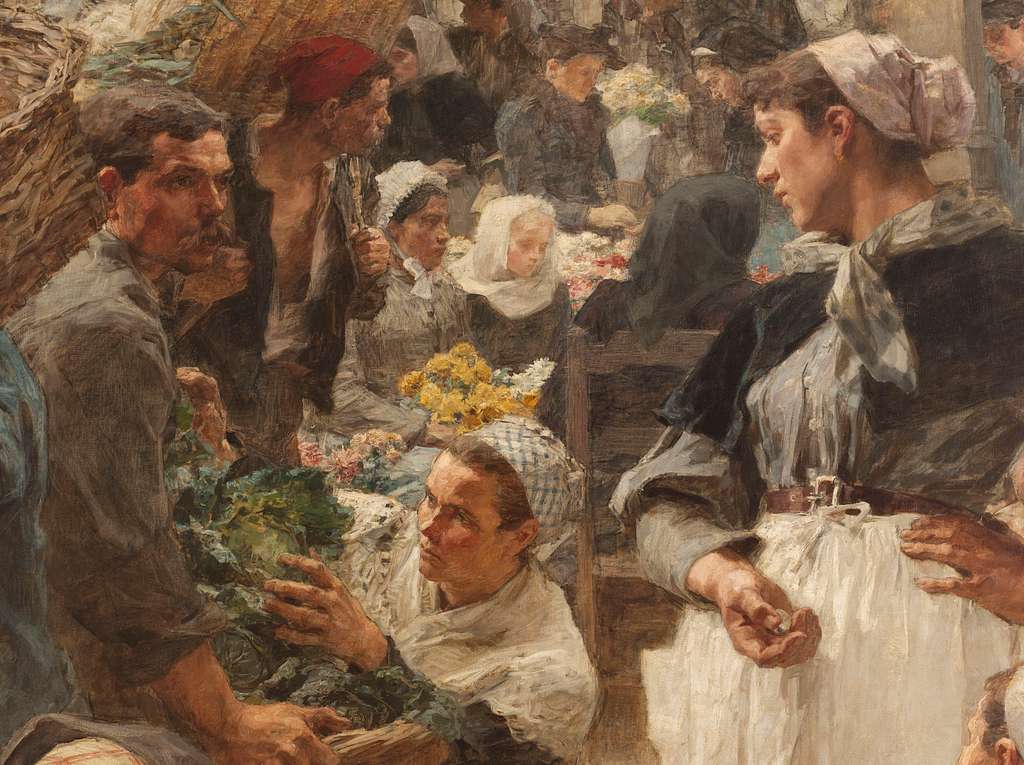
From metaphors on market day to metaphors we live by
I was talking the other day with some people about AI metaphors. During that discussion the thorny question came up ‘what are metaphors anyway?’, followed by ‘is there anything in language that’s not metaphorical?’. This brought to mind a very old quote. In 1730 the grammarian and philosopher César Chesneau Du Marsais said: “I am…
-

Making Science Public 2025: End-of-year round-up of blog posts
This year has been quite a year! First, I had to move the blog to a new independent home after the University of Nottingham shut down their blogging platform (I wrote two posts about this, one reflecting on the past and one on the future). Second, there was a lot to blog about, from wildfires…
-

From symbolist poets to science communication: Exploring an invisible thread in my academic life
Years and years ago, I had an Academia profile in which I mentioned that when I began studying French literature in the mid-1970s I fell in love with Baudelaire and Rimbaud. I no longer have access to Academia, but somebody must have seen that sentence and recently sent me an email asking how I got…
-

Metaphor, alchemy and lessons from the 17th century
Philip Ball has just published a magnificent book on the history of alchemy: Alchemy: An Illustrated History of Elixirs, Experiments, and the Birth of Modern Science. This made me think about metaphor, of course, given how central metaphorical language was to alchemical practice. In a sense, metaphor is alchemy, metaphorically speaking, as it transmutes two…
-
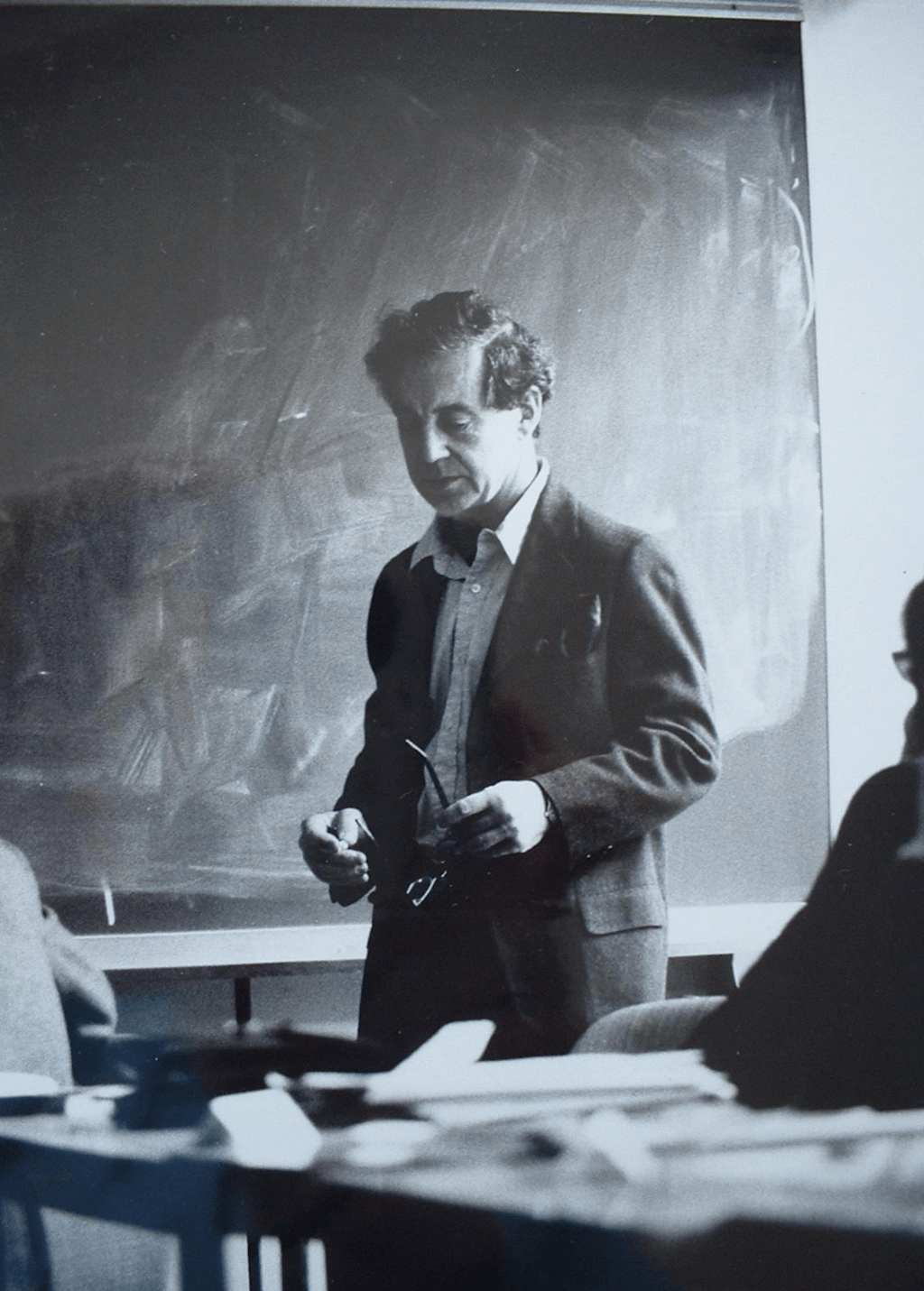
Erving Goffman: Memories, method and metaphors
If you do sociology or, indeed, any social science whatsoever, you’ll come across the work of Erving Goffman. I have done too but never engaged with it as much as I should have done. This was brought back to me when I talked with somebody who once shared a taxi-ride with Goffman and chatted with…
-
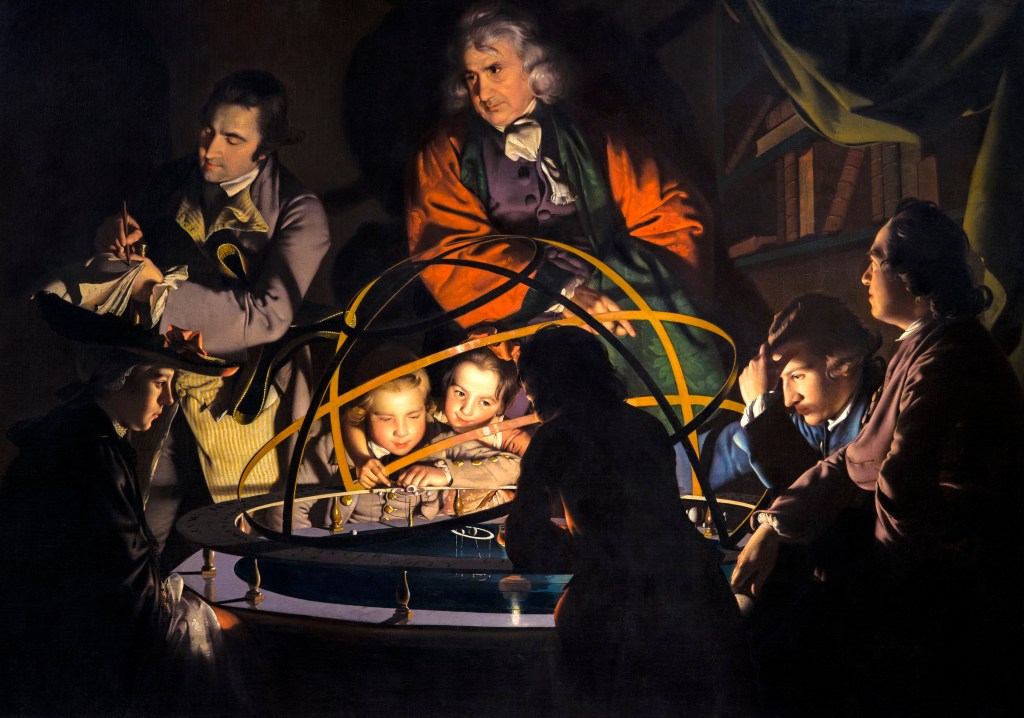
Let there be light!
We recently visited Derby and, for the first time in forty years, I actually went into the Cathedral. It doesn’t look very prepossessing from the outside, but boy the inside is great. It is full of light. It was built in 1725 and reflects and interacts with the ideas and values of the Enlightenment era. I…
-
The Making Science Public blog: An introduction
I have now said farewell several times to my old university blogging platform, but I haven’t really started building up a new readership here. Newbies to the blog might wonder what the old Making Science Public blog was all about; what topics it covered before venturing to press the subscribe button….. As a gentle introduction…
-

Making Science Public in a chaotic world
As you know, I am now gradually moving from my old ‘Making Science Public’ blog home at the University of Nottingham to my new personal blog home here. This wasn’t easy and lots of people supported me directly or indirectly in this move (by listening to my whining). You know who you are, and I…
-

Can metaphors hinder scientific progress?
This is a guest post by Jack Morgan Jones. He is a postgraduate researcher at the University of Manchester’s Philosophy Department with an interest in truth and practical rationality, as well as agency and constructivism. *** It’s readily acknowledged that metaphors can help an educated public better understand a scientist’s technical work. But questioning the…
 Making Science Public