Tag: Science Communication
-
Something for nothing
This is a blog post about nothing in particular. It’s more a stream of thoughts and associations… But in the end I’ll be talking about Kepler and snowflakes and Pluto and its moon. Nix The other day I was talking to my sister. She asked in German whether I had an idea for my next…
-
Science communication: Mary Somerville
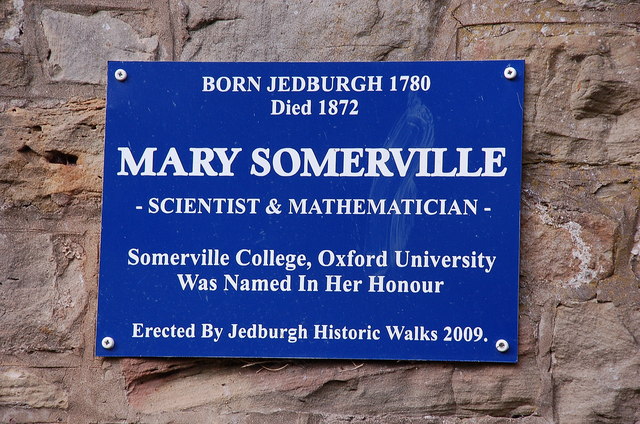
Every so often, and yet again just before Christmas this year, little skirmishes erupt on the history of science scene when somebody says that the word ‘scientist’ was first coined for Mary Somerville. The claim is then rebuffed by pointing out that the term was first used in print in 1834 in a review of…
-
Making Science Public: 2016 blog round-up
This has been a weird and momentous year. For me personally and, even more so, for the world. In June this year we celebrated the almost end of the Making Science Public programme, which I directed between 2012 and 2016. At the end of September I retired, after working for more than 25 years at the University…
-
Science communication in a hyper-real world
I recently asked myself the question: Is there still a point in doing or thinking about ‘science communication‘ in a world where facts have become indistinguishable from fiction and where experts and scientists are regarded with suspicion. This question struck me again quite forcefully when listening to the Now Show on Saturday 19 November, a…
-
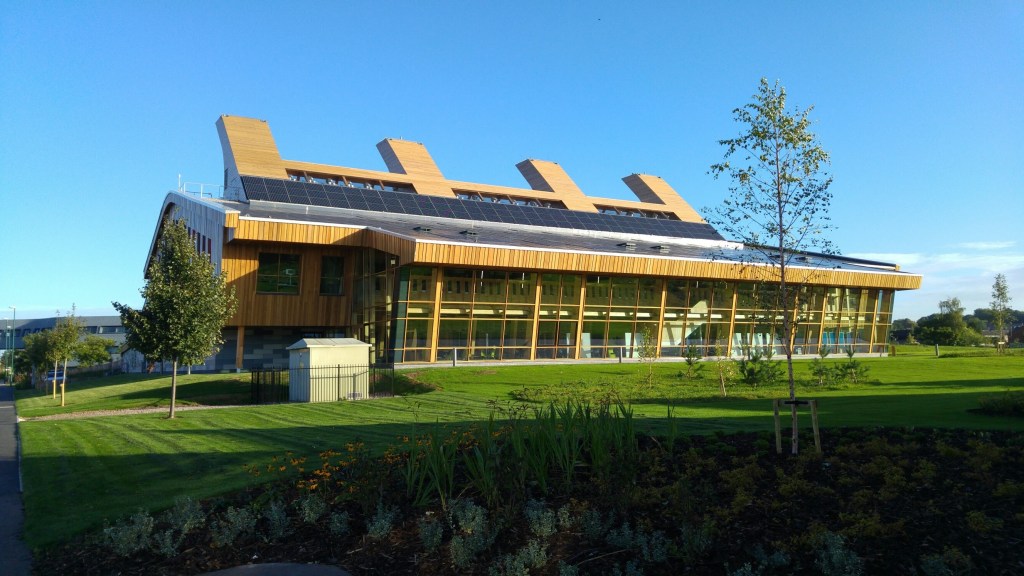
The Carbon Neutral Lab: Science, culture, values
This week we held our yearly Synthetic Biology Research Centre (SBRC) Strategic Advisory Board Meeting. The meeting took place in the Carbon Neutral Laboratory which houses the Centre for Sustainable Chemistry. This building has become quite famous because it burned down last year, was rebuilt and opened this year. I should say from the outset…
-
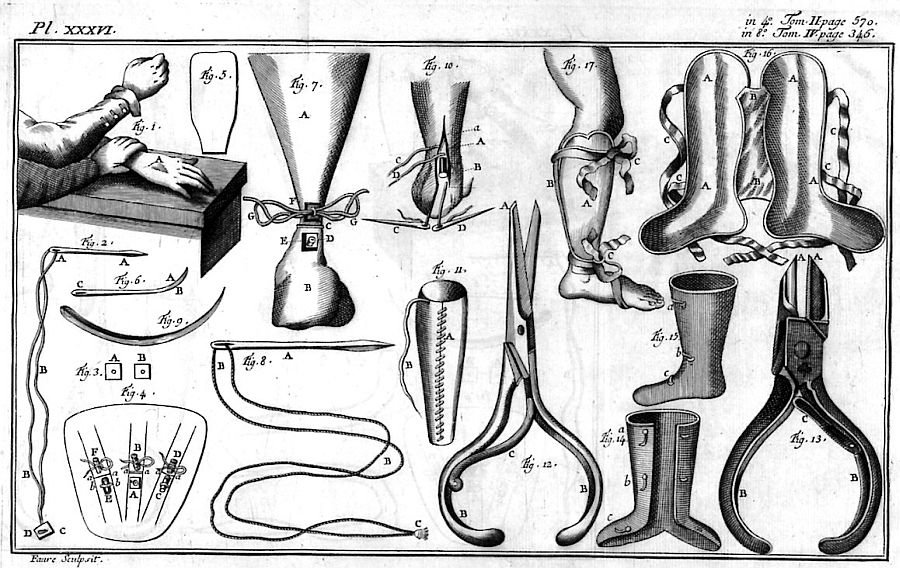
Gene surgery – Genchirurgie
On 22nd October 2016 Roland Jackson tweeted that he was going to Berlin to participate in a trilateral meeting of English (Nuffield Foundation on Bioethics), German and French bioethics committees on gene/genome editing. I tweeted back and asked whether there would be a report; he tweeted an older press release by the German Ethics Council…
-

Crowdfunding Science
This is guest post by Mike S. Schäfer, Professor of Science Communication at the Institute of Mass Communication and Media Research (IPMZ) and Director of the Center for Higher Education and Science Studies at the University of Zürich, Switzerland. Heather Richards was short of $3000, and she could still not realize her research project. The…
-
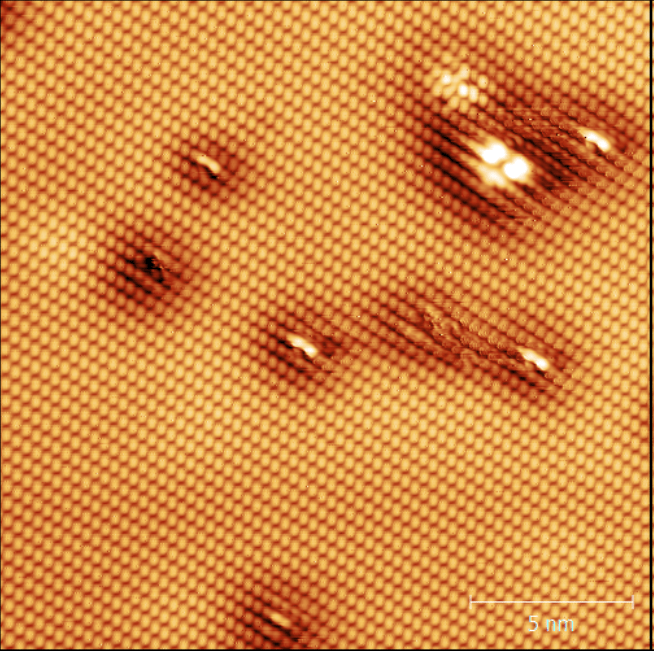
Radhika, Kim and the quantum cat: Graphic nanoscience
Some months ago I wrote a blog post about a physics project I am involved in here at the University of Nottingham, led by Professor Philip Moriarty which we call for short: 3D printing with atoms. I am engaged with the project as a social scientist interested in examining how such difficult research is being…
-

The epigenetic muddle and the trouble with science writing
I have been interested in epigenetics, especially public portrayals of epigenetics, for about six or seven years. About three years ago I tried to get some funding to examine emerging and changing meanings of epigenetics in traditional and new media (including what one might call ‘alternative’ media), but unfortunately never got the funding. When writing…
-

Camille Flammarion: Making science popular
Life on this planet is currently crazy, chaotic and confusing. In this context, I was thinking – wouldn’t it be nice to be able to poke one’s head out of the earthly firmament and look at the heavens beyond. This thought popped into my head because I had once seen an image depicting something like…
 Making Science Public