Tag: Science Communication
-

Infectious futures
On Sunday (9 August) I did something for the first time. I went to a ‘con’ or convention: the Nine Worlds Geekfest 2015. How did this happen? A few months ago, Lydia Nicholas from Nesta approached me with a fascinating project. In collaboration with Joshua Ryan-Saha, the Assistant Manager of the Longitude Prize, she had…
-

Ants and the art of science communication
Ants have been in the news this week. First there was Jim Al-Khalili’s interview with E. O. Wilson, a world authority on ants, for The Life Scientific. Then there was the announcement that scientists at the University of Cambridge (funded by the BBSRC) have discovered that ants use three types of hair to meticulously clean…
-

Science, hype and fun
In one of my early posts for this blog I talked about hype and about how hype can be used honestly and fraudulently. In one of my later posts I talked about CRISPR and how scientists are trying to deal with this gene editing technology responsibly. So I should have known better! Following the fun…
-

Improving climate change communications: moving beyond scientific certainty
This is a co-authored post with Gregory Hollin. It is based upon our new paper in Nature Climate Change, which is the first piece of original research from science and technology studies (STS) published in the journal. In the last 25 years scientists have become increasingly certain that humans are responsible for changes to the…
-

Images of the cell in art and science: An update
This is a Guest POST by Maura C. Flannery, Professor of Biology, St. John’s University, NY, reflecting on, what one may call ‘making cells public’ and the interactions between art and science in this process. The blog is related to an images and visualisation project funded by the European Science Foundation, rather than to the…
-
Advanced fermenters
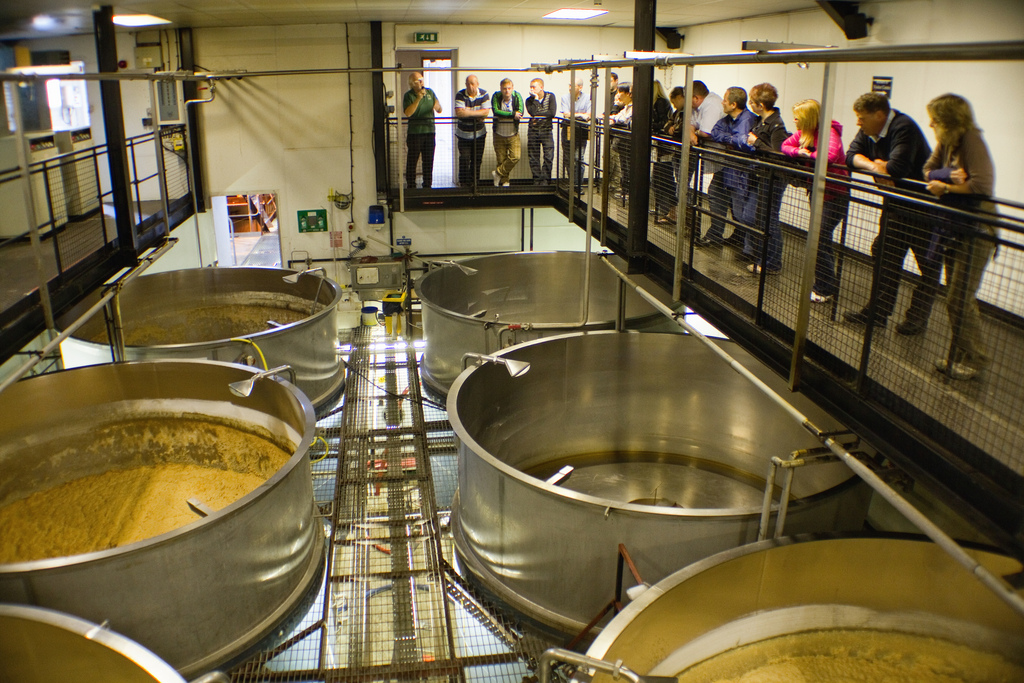
I recently dipped my blogging toe into the microbiome, lured there by Jon Turney’s book I, Superorganism. A few days ago, while trying to find an old email on a completely unrelated topic, I came across a comment by Denis Noble that he had sent me when we were corresponding about the microbiome in around…
-

What role for a scientist in political science communication?
This is a GUEST POST by ATHENE DONALD, Professor of Experimental Physics at the University of Cambridge and Master of Churchill College. A couple of months ago Brigitte Nerlich, who hosts this blog, asked me to contribute a post. As it happened, when she sent me the invitation I had just read, and possibly inwardly…
-
Science, politics and science communication
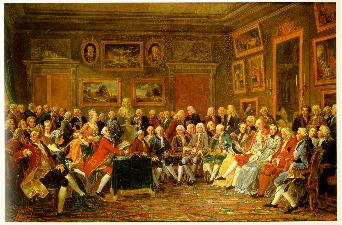
I sometimes get asked why I write blog posts about science communication and even sometimes practice science communication, given that science communication is not really the focus of our ‘Making Science Public’ programme of research (which was drafted in response to a Leverhulme Trust call for proposals on ‘science and politics’). Despite its title, the…
-
Science communication and ‘vulgarisation scientifique’: Do words matter?
A Spanish colleague and friend recently sent me a Portuguese caricature about ‘science communication’ with the following title: “Como a maioria do jornais divulga ciência” (How the majority of newspapers disseminate science). I’ll only translate the first two panels, as the third one is a bit coarse: Scientist: We have destroyed 10% of cancerous cells…
-
Hottest year on record
Media reporting on climate change has heated up a little bit over the last ten days or so, after an announcement by NASA and NOAA which read like this: “NASA, NOAA Find 2014 Warmest Year in Modern Record”. This was taken up by the media and, between 15 January and 25 January 2015, the phrases…
 Making Science Public