Tag: Science
-

Making science public: Taking stock
When we wrote our ‘Making Science Public: Challenges and Opportunities’ research project some six or so years ago, various scandals had rocked the unspoken contract between science and society, universities and their users (BSE, MMR, climategate etc.). This contributed to a widely held perception, and I stress perception, of a lack of public trust in…
-

Collision, collaboration and communication
The other day I read an article on why academics are losing relevance in society. I noticed that it contained a picture of a celebratory cake with the inscription “Here’s to the first direct detection of gravitational waves” (after two black holes collided). This event happened in 2016 and was widely celebrated around the world,…
-

Science and metaphor: Some historical perspectives
Over the last thirty years or so I have written about metaphor and its importance to language, thought and social interaction. In the last fifteen years, I have focused in on the relation between metaphor and science, especially science communication. However, only recently has it dawned on me how little I actually understand about metaphor…
-

Making lasers public: The European X-ray Free Electron Laser
Last weekend, my mum phoned me from Germany to tell me about the new x-ray laser inaugurated in Hamburg (as I later learned this is the European X-ray Free Electron Laser or XFEL) and asked me whether I had heard about it and whether I could explain what it did. I hadn’t and I couldn’t.…
-
Putting the colour into 3D printing with atoms
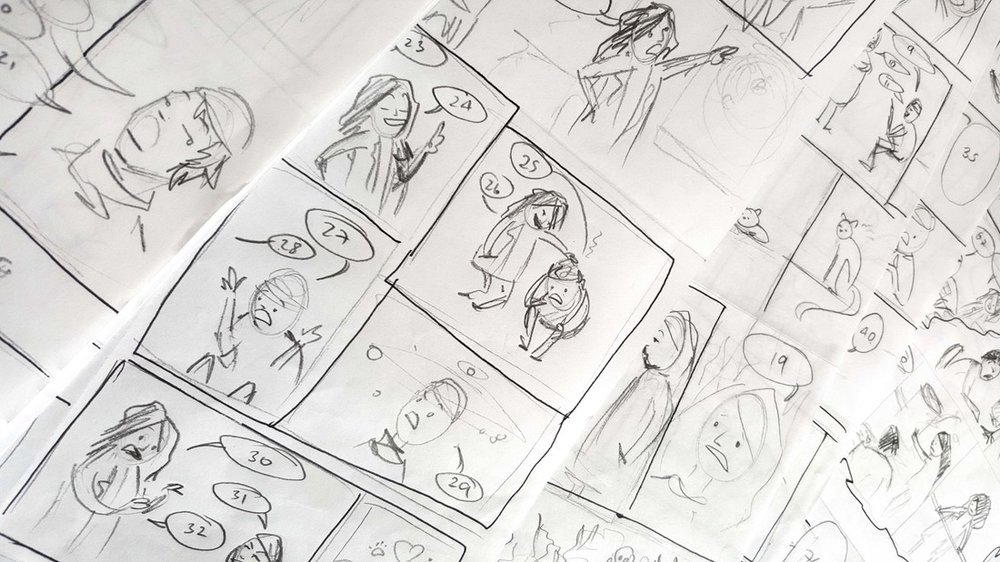
A while ago Phil Moriarty and I started a project, namely, commissioning a graphic novel to make public an EPSRC funded project on 3D printing with atoms. I have written two posts about this here and here and Phil has also talked about this here. Progress has been a bit slow because university bureaucracy put…
-

Milton and Galileo: Affinities between art and science
I don’t know much about John Milton and Galileo Galilei. However, I have stood beside Milton’s Mulberry tree at Christ’s College, Cambridge and beside Galileo’s chair and lectern at the University of Padua – and felt some affinity with the poet and the scientist. I didn’t know though that there was actually a connection between Milton…
-
Public trust in science: Myths and realities
The March for Science has come and gone. There was no fuss; but there was wit and fun; and solidarity and conviviality. The march did what it set out to do: it got people talking about science and politics. During the march, some tweets jumped out at me. They focused on the thorny issue of…
-
Epigenetics, hype and woo
A couple of weeks ago I noticed a new twitter account: @EpigeneticsBs (short for ‘epigenetics bullshit’). Its mission is to make epigenetic ‘bullshit’ public, or as it says: “There’s a lot of #epigenetics pseudoscience & quackery out there. We RT some of it for your edification and entertainment.” These (re)tweets are produced by people working…
-

Making science public: The science march
The other day over coffee I was reading a blog post and an article. They made me think. The blog post on …and Then There’s Physics rattled once again the rotten foundations of the ivory tower stereotype of academia, while the article by Ed Yong in The Atlantic was about the March for Science that’ll…
-
3D printing with atoms: Laboratory life
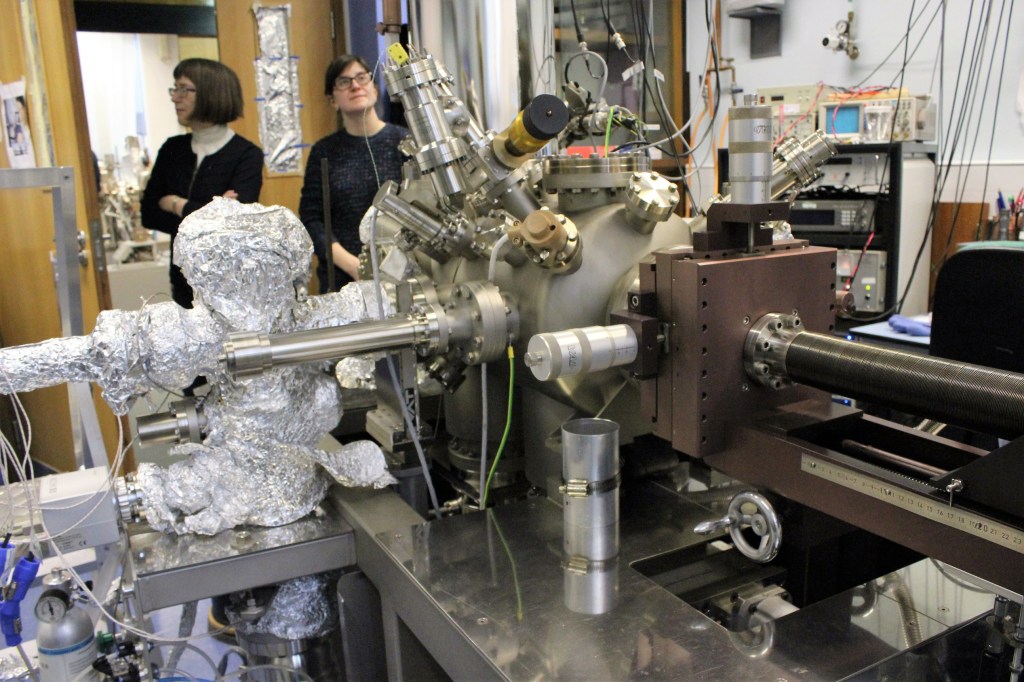
There is a long tradition of social scientists observing and analysing laboratory life. The most seminal book that has emerged from this tradition is probably Bruno Latour and Steve Woolgar’s 1979 Laboratory Life: The social construction of scientific facts (they changed the subtitle in 1986 to ‘the construction of scientific facts, as they became aware…
 Making Science Public