Tag: Science
-

When epigenetics gets under the skin
A few days ago, on 12 August, I saw the following conversation on twitter between Martyn Pickersgill and Muireann Quigley. It started with Martyn saying/sighing: “I’m probably going to start crying with frustration if I read the phrase ‘how the environment gets under the skin’ one more time today.” Whereupon Mauireann asked him what he…
-
The epigenetic muddle and the trouble with science writing
I have been interested in epigenetics, especially public portrayals of epigenetics, for about six or seven years. About three years ago I tried to get some funding to examine emerging and changing meanings of epigenetics in traditional and new media (including what one might call ‘alternative’ media), but unfortunately never got the funding. When writing…
-

Camille Flammarion: Making science popular
Life on this planet is currently crazy, chaotic and confusing. In this context, I was thinking – wouldn’t it be nice to be able to poke one’s head out of the earthly firmament and look at the heavens beyond. This thought popped into my head because I had once seen an image depicting something like…
-

Science, culture and cultural differences
Athene Donald recently published a thought-provoking blog post on culture and science. This post was itself motivated by discussions she has had with the Science Advisory Council for the Department of Culture, Media and Sports and a question posed by a member of this advisory council, Geoff Crossick, namely: ‘What do you mean by science?’…
-
Sock puppets, muzzles and the impact agenda
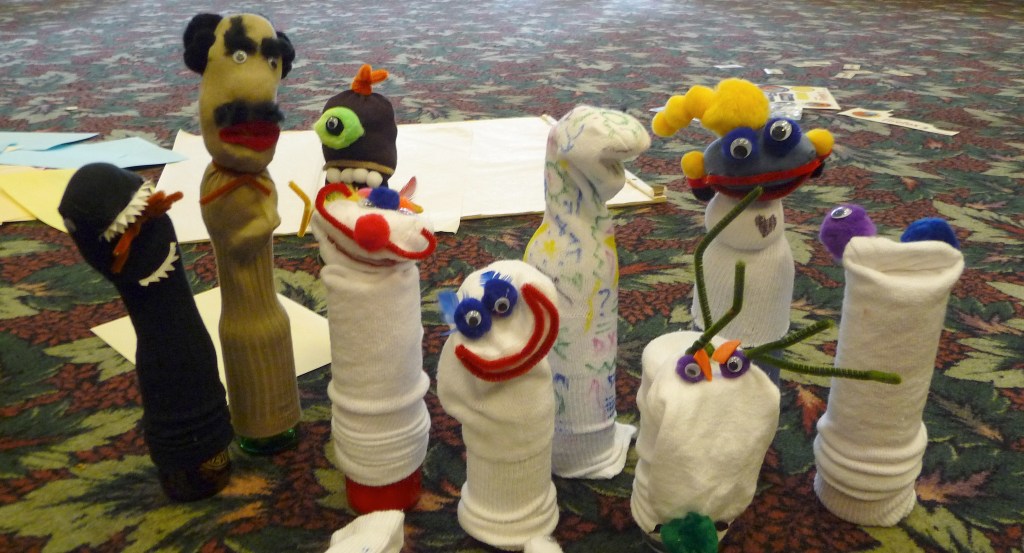
This is a post by JOHN HOLMWOOD A new threat to the contribution of university research to public debate has been identified. This derives from Cabinet Office rules that would prevent bodies in receipt of grants from Government from lobbying. It has been suggested that this could muzzle academic research. Ironically, the rules derive from…
-
The book of life: Reading, writing and editing
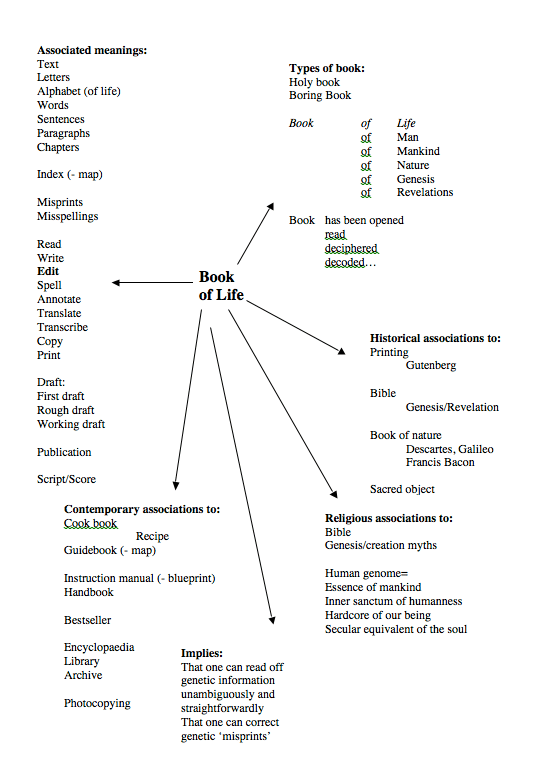
I have been observing the use of the ‘book of life’ metaphor in genetics and genomics since the year 2000, when it was used to announce that the human genome, our entire DNA, had been roughly sequenced. The Human Genome Project had begun in 1990 and was completed in 2003. Its achievement consisted in finding…
-
Natural/artificial
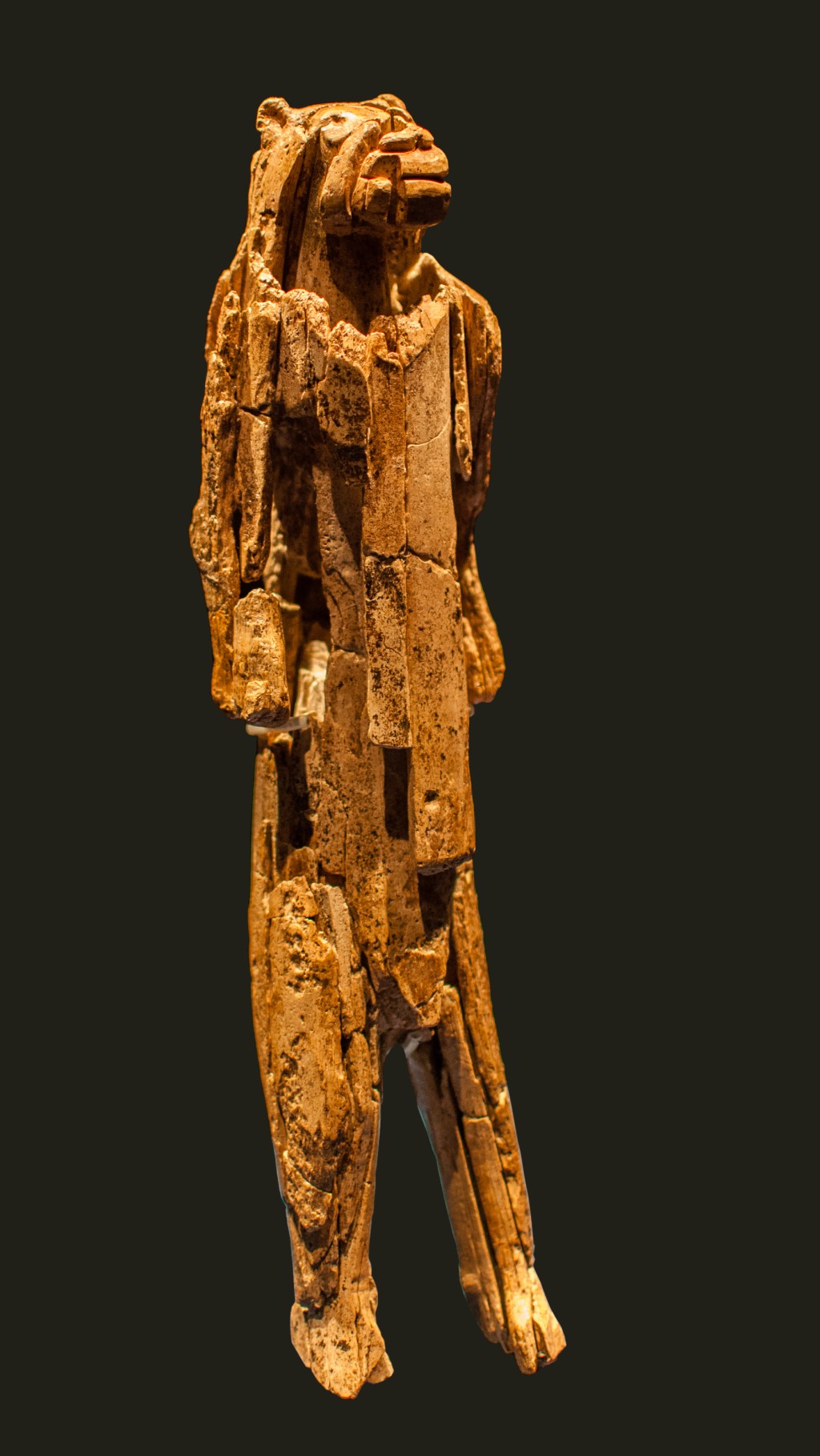
The Nuffield Foundation on Bioethics will soon report on a project that critically explores “how current public and political bioethics debates are affected by ideas about naturalness and how this correlates with academic discussions relating to the concept”. This made me think, especially as I am working now as a social scientist with a team…
-

Snapshots of the unknown – some holiday souvenirs
On holiday at the English seaside I read two very different books: a popular science book on Aristotle’s biology by Armand Marie Leroi (The Lagoon, 2014) and a novel by Jules Verne about a sea voyage to the North pole (Les Aventures du Capitaine Hatteras, 1864). While reading these books, I also came across an…
-

Ants and the art of science communication
Ants have been in the news this week. First there was Jim Al-Khalili’s interview with E. O. Wilson, a world authority on ants, for The Life Scientific. Then there was the announcement that scientists at the University of Cambridge (funded by the BBSRC) have discovered that ants use three types of hair to meticulously clean…
-

Science, hype and fun
In one of my early posts for this blog I talked about hype and about how hype can be used honestly and fraudulently. In one of my later posts I talked about CRISPR and how scientists are trying to deal with this gene editing technology responsibly. So I should have known better! Following the fun…
 Making Science Public