Tag: Social science
-

Public engagement with ‘post-normal science’
It is relatively rare, I think, for mainstream newspapers to deal with Science and Technology Studies (STS) concepts and discuss them publicly.* An article by Sonia Sodha from 20 March for The Guardian is an exception. She uses the concept of ‘post-normal science’ to try and shed some light on the vaccination debates in Europe.…
-

Symmetry as false balance? Questions for STS
I am not getting involved in the Richard Dawkins tweet debate about whether ‘science’ is a social construct or not. However, seeing the debate flow past me on Twitter triggered a stream of thoughts which I’ll summarise in this blog post – about STS, the symmetry principle, false balance, and how to find ways to…
-
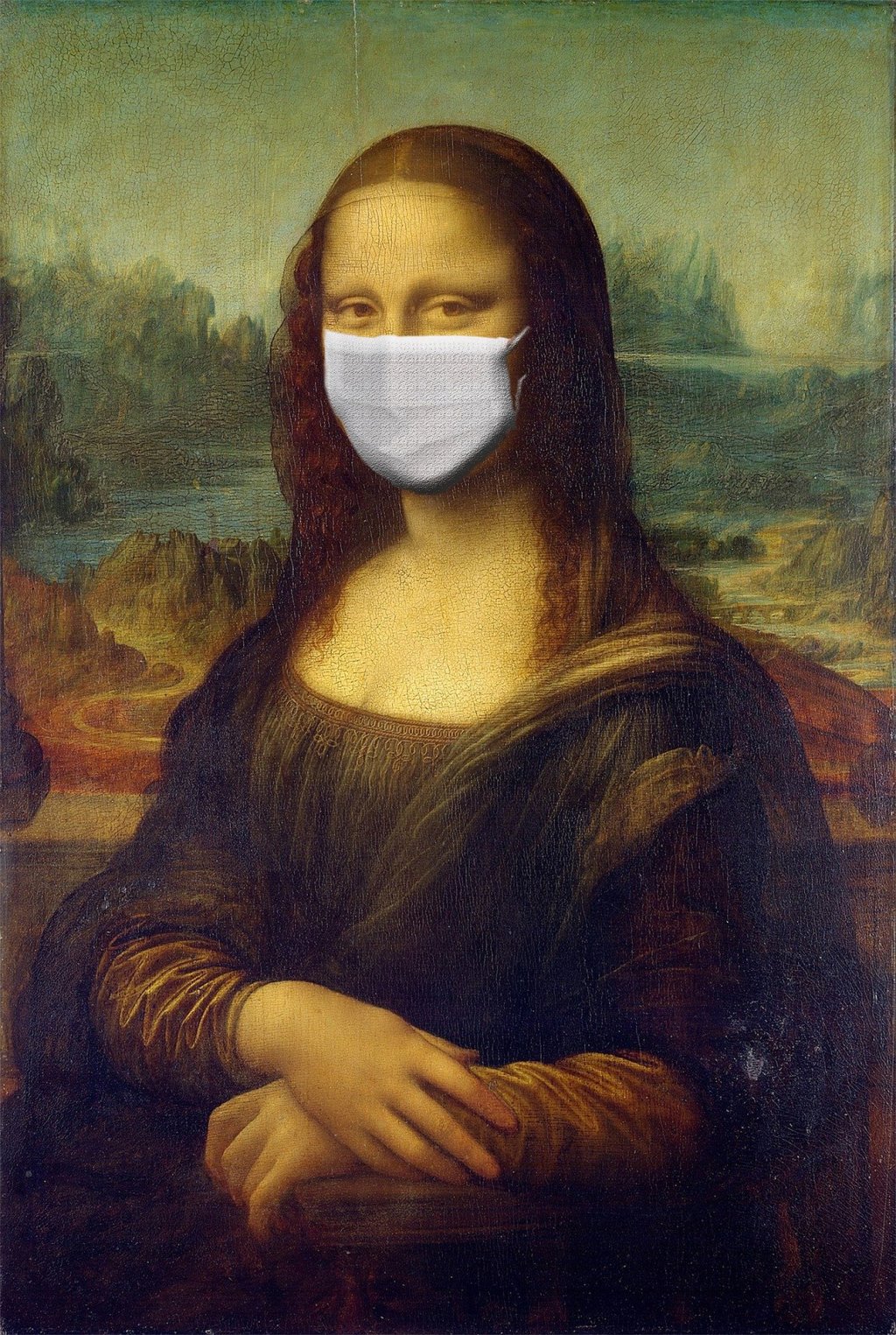
Metaphors in the time of coronavirus
On Sunday, 15th March, Kenan Malik wrote an article on metaphors for The Observer. This was inspired by Matthew Cobb’s new book on The Idea of the Brain which delves into the many metaphors of and for the brain that have been used over time. I have just started to read that book – a…
-
How to do things with epigenetics
We have just published in article on epigenetics in Social Science Information! It’s part of a special issue coordinated by the sociologist Michel Dubois (CNRS, Paris) that is coming out in print at the beginning of the new year. The special issue deals with epigenetics and interdisciplinarity. Our article examines some obstacles that might hinder…
-

Comments on qualitative methods in the humanities and social sciences
I while ago Chris Toumey (Toumey@mailbox.sc.edu) wrote a guest post for this blog, announcing his new book on nanotech and the humanities. A reader had a question that Chris didn’t have time to answer at the time. This post is an answer to that question. *** Regarding my book on nanotechnology, Nanotech and the Humanities,…
-

Science, life and meaning
Sheila Jasanoff has published a new book entitled Can Science Make Sense of Life? This is a big question to which the answer, according to Betteridge’s law of headlines must be ‘no’. The title sets the tone for the book and opens up specific expectations for its readers. What expectations readers have depends on what they understand…
-
Making science public: Our edited collection
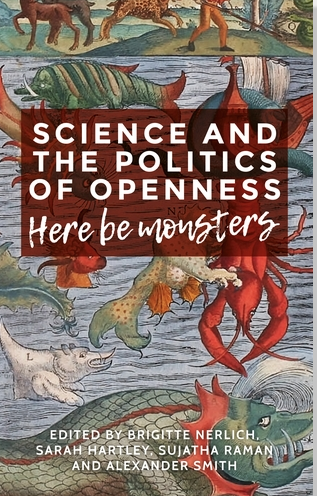
As our Making Making Science Public programme has come to an end, it’s time to take stock across all projects and beyond. This is exactly what we have done in an (open access) book coming out with Manchester University Press in January, entitled Science and the Politics of Openness: Here be monsters. The chapters in…
-

Reviewing the evidence on transparency in science: a response to Lewandowsky & Bishop.
Co-authors: Warren Pearce, Sarah Hartley & Brigitte Nerlich. In January, Nature published a Comment piece by Lewandowsky and Bishop entitled “Don’t let transparency damage science“. The authors argued that some of the “measures that can improve science — shared data, post-publication peer review and public engagement on social media — can be turned against scientists”.…
-
Ash dieback (Chalara), science, and plant biosecurity
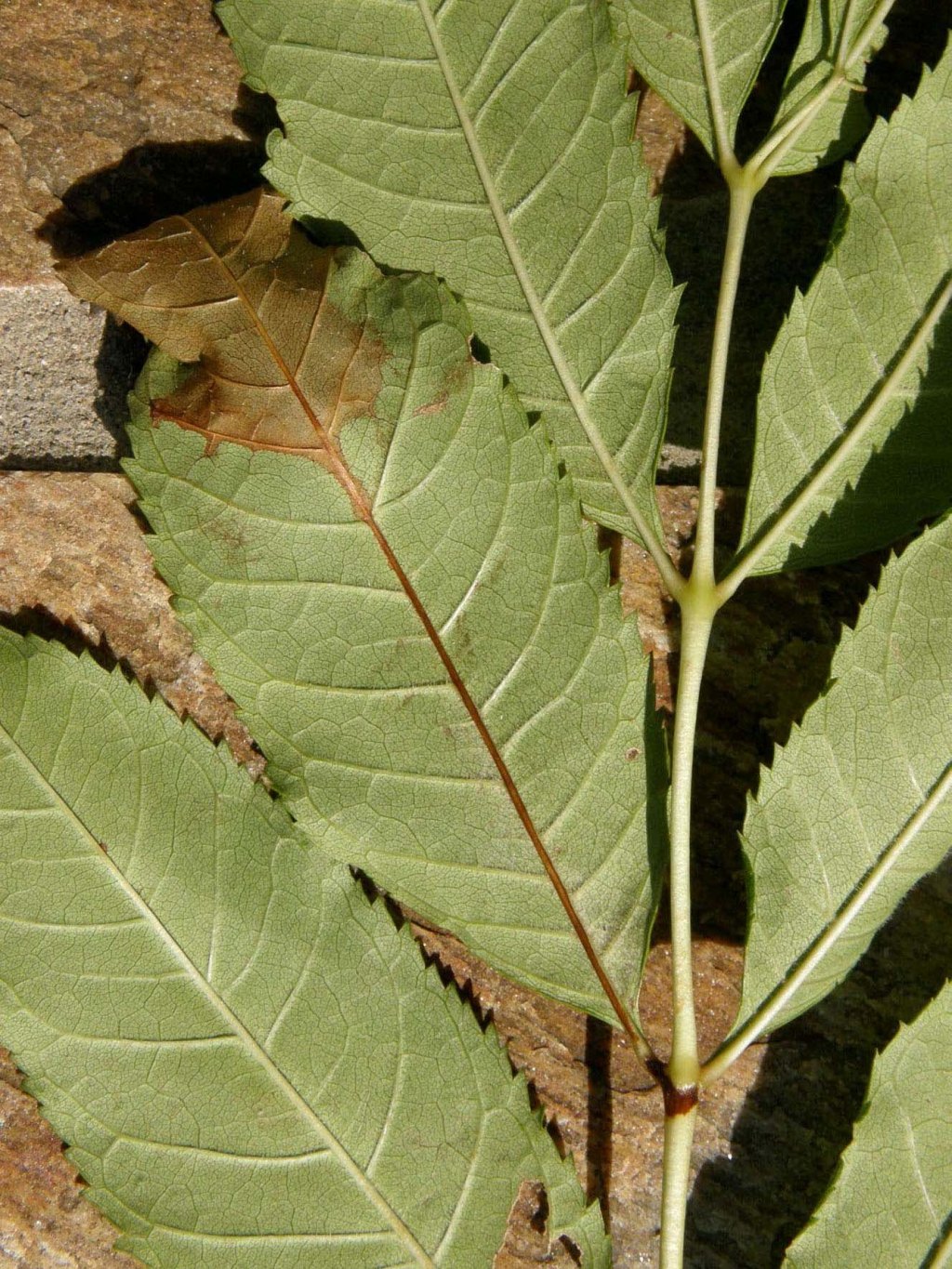
Much has changed since the trade-related arrival of ash dieback (Chalara) at a nursery in Buckinghamshire, England, in February 2012. On the negative side, 652 sites across England, Scotland and Wales are now known to contain trees infected with the potentially fatal disease. Also, it is now accepted that the spread of the disease cannot…
-

Methodological clarity required when publishing social science in natural science journals
This is a joint post with Greg Hollin. The latest issue of Nature Climate Change features a Correspondence from Peter Jacobs and colleagues which concerns a recent Letter that appeared in the same journal; our Reply is also published. We do not wish to deny that there are real and significant differences between ourselves and…
 Making Science Public