Tag: synthetic biology
-
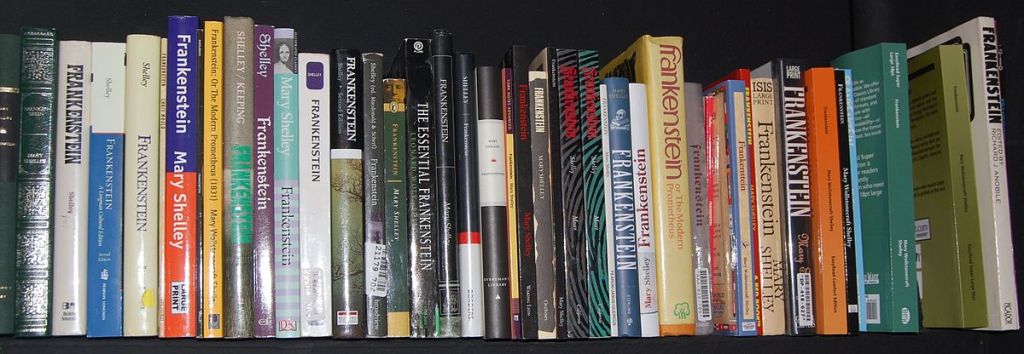
Frankenstein is about US not STEM
I was reading my tweets the other day and came across this one: “I am reading the octopus book. My main hobby now is looking up from the octopus book in order to share octofacts.” This is popular science (communication) at its best.* It also made me think. If readers of Mary Shelley’s Frankenstein (1818) had…
-
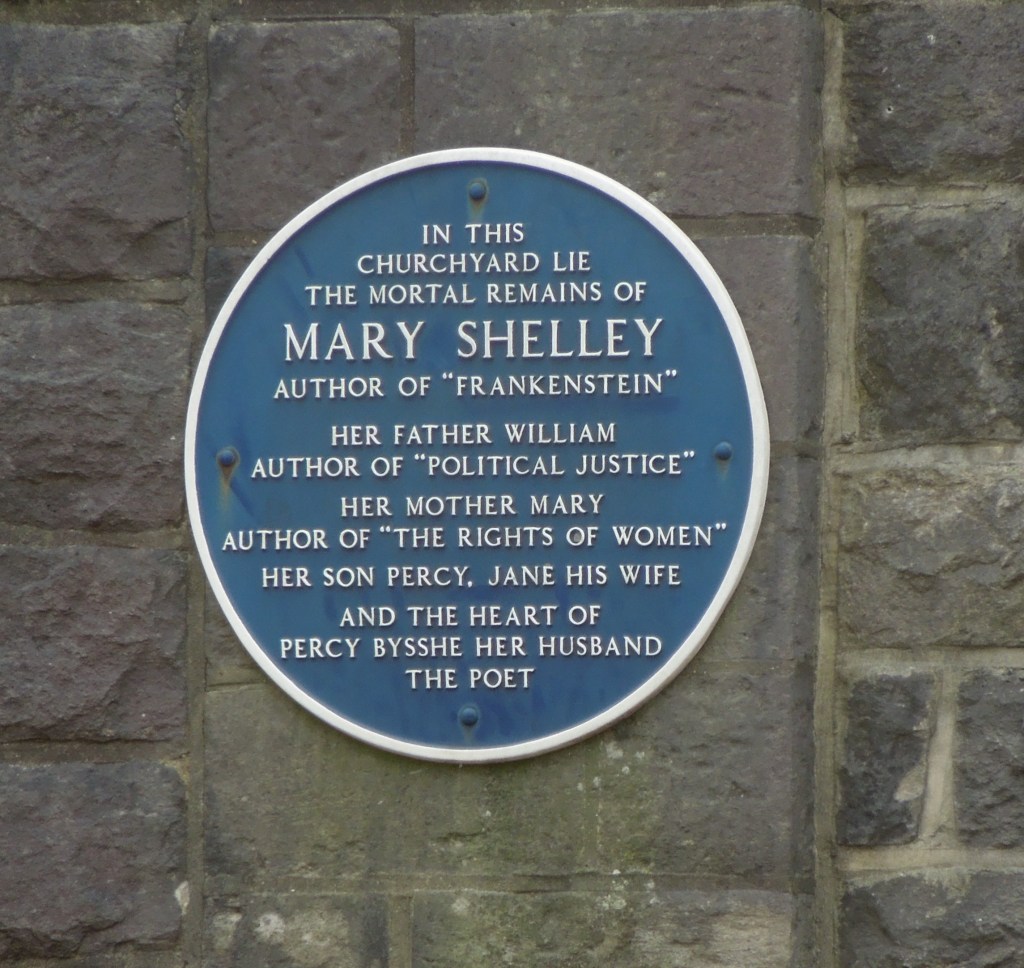
Social, cultural and ethical aspects of synthetic biology: A scientist’s perspective
When you go to the website of the Dymond Research Group at the University of Brighton, you see article titles like this “Lipid Spontaneous Curvatures Estimated from Temperature-Dependent Changes in Inverse Hexagonal Phase Lattice Parameters: Effects of Metal Cations”. That probably means something to experts in the field. It doesn’t mean a lot to me.…
-
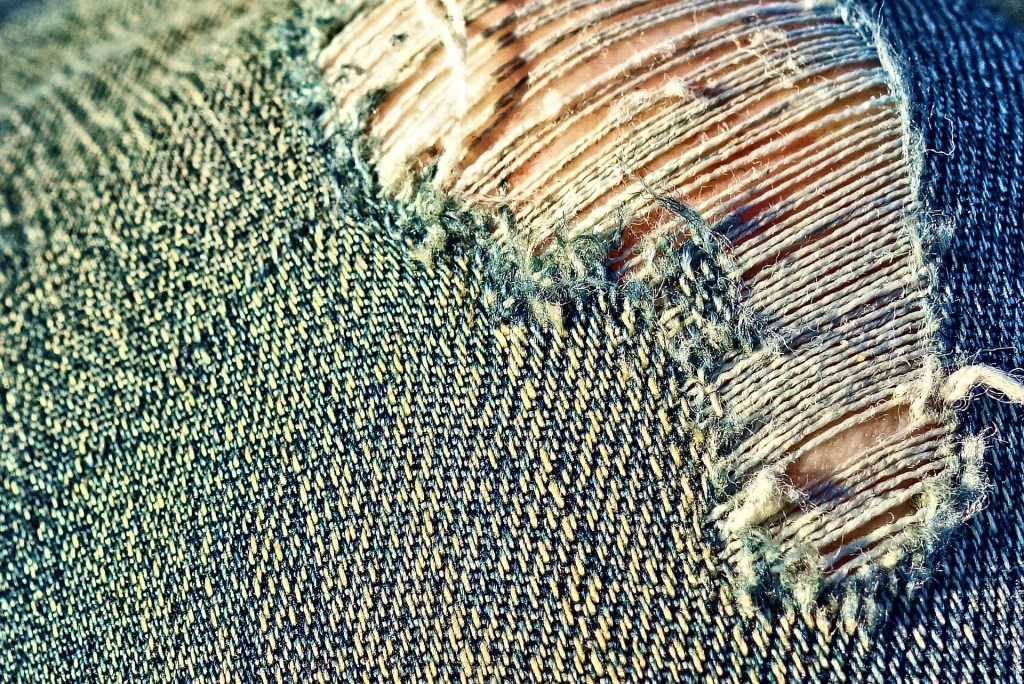
Genome editing: Invisible mending
Last week I had a few days in Oxford to visit old haunts, such as the Ashmolean, the Museum of Natural History and the Pitt Rivers Museum. I also went to a little exhibition in the basement of the Museum of the History of Science. The exhibition by Anna Dumitriu was entitled BioArt and Bacteria.…
-
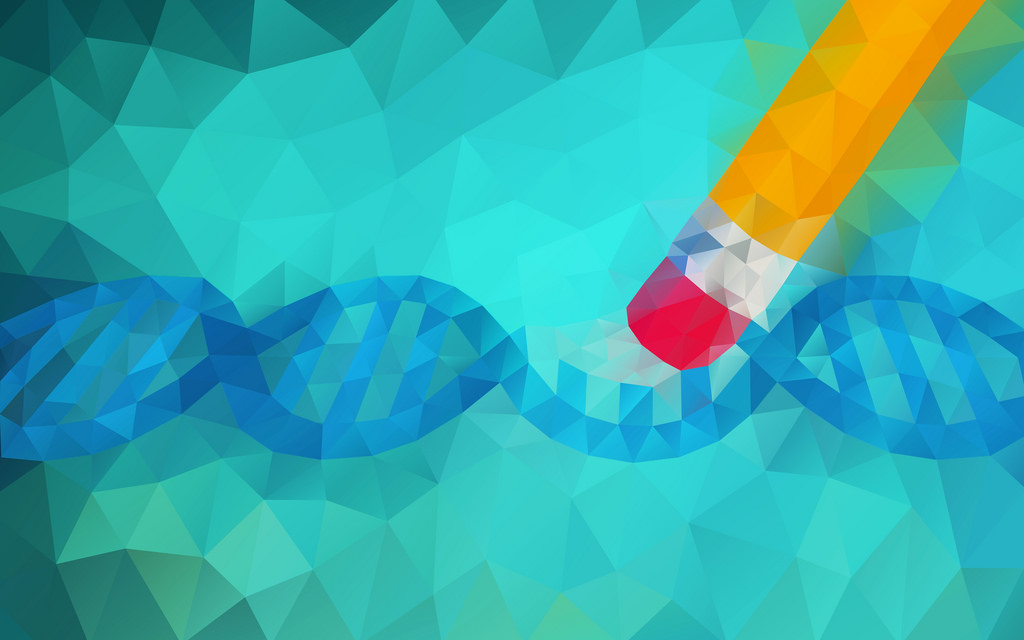
Why are NGOs sceptical of gene editing?
This is a guest post by Richard Helliwell. It is based on the recent article Why are NGOs sceptical of genome editing? published in EMBO Reports, co-authored with Sarah Hartley (University of Exeter) Warren Pearce (University of Sheffield), and Liz O’Neill (GM Freeze). It is the first study examining NGO perspectives on genome editing. Genome…
-

Social scientist needed to collaborate with synthetic biologists!
It’s that time of year again when we send out a call to undergraduates to become part of an exciting team adventure that ends in a big jamboree in Boston in November 2018 (see featured image). We especially need a social science undergraduate to take part (law, sociology, politics, etc.), with an interest in interdisciplinary…
-

Base editing, biological complexity and the limits of metaphorical explanation
Gene editing has been in the news since around 2013. Here I want to focus on one of the most recent advances which made me question my own understanding of gene editing. In 2015 a team of scientists led by Junjiu Huang at Sun Yet-Sen University in Guangzhou, China, used gene editing techniques, in this…
-

Turning bacteria into passwords
A few days ago, I had the pleasure to meet two enthusiastic members of the first Nottingham iGEM team: Vikram Chhapwale, who specialises in computer science and AI, and Chris Graham, an emerging expert in biochemistry and genetics. Both are undergraduates studying at the University of Nottingham. Chris and Vikram are part of a seven-member…
-

Bacteria, scientists and stewardship
Bacteria have fascinated scientists for centuries and still do. One of the first to see bacteria under the microscope was “probably the Dutch naturalist Antonie van Leeuwenhoek, who in 1683 described some animalcules, as they were then called, in water, saliva, and other substances” (Encyclopaedia Britannica). A modern understanding of bacteria developed in the 19th century. Ferdinand…
-

CRISPR, unicorns and responsible language use
I was looking through my twitter timeline on 12 June, when I came cross a tweet by Dietram Scheufele which said “’bend nature to our will.’ #CRISPR frame in new #Doudna book might resonate differently across audiences […] #scicomm”. The tweet made reference to an article by Sharon Begley in STAT News about Jennifer Doudna’s new book, co-authored with Samuel Sternberg, A…
-

SBRC symposium: Synbio, metaphors and responsibility
On Monday this week (22 May, 2017) our Synthetic Biology Research Centre symposium on metaphors, synthetic biology and responsibility took place at the East Midlands Conference Centre at the University of Nottingham. The weather was marvellous and showed off University Park in all is spring glory. We started with a pre-conference dinner which, in a way,…
 Making Science Public