Three things happened recently in my Bluesky timeline which made me think about the fate of science communication. In this post I’ll use these brief glimpses into science communication activities, science communication research and government science communication to reflect on how science communication might change, especially in the United States.
Three snapshots of science communication
First, I saw a post on my Bluesky scicomm feed where an interdisciplinary scientist and science communicator working ‘in the field’ talks about floods and fields, his work with farmers and an ingenious way of dealing with flooding in Brandenburg, Germany. That was normal science communication and engagement.
Second, I saw an academic article on science communication. Surprisingly, it seems not to have moved on much from the 1990s when science communicators and science communication researchers discussed the pros and cons of ‘public understanding’ vs ‘public engagement’, as the science writer Philip Ball pointed out in a reaction to the article.
The authors say for example that “predominant top–down dissemination approaches may not be as effectual as bottom–up participatory approaches“. Overall, the article seems to overlook normal science communication on the ground and the threats to science communication from above in a post-truth world, to which I’ll come now.
Third, I saw, as we all did, various US government reports ‘communicating’ vaccine science and climate science which were, however, riddled with mistakes and misinformation, as many science communicators and scientists, including mRNA Nobel Laureate Katalin Karikó, were quick to point out.
Government science (communication)
These official government science reports are examples of a novel type of ‘top-down’ science communication which may become more commonplace once the US government exercises greater control over science. In these circumstances communicating ‘science’ becomes complicated, as trust in ‘science’ and experts is further eroded. The role of science communication might increasingly be not so much to disseminate the results of official government-funded science (let alone engaging people with them) but rather to scrutinise science published by official sources and, indeed counter the disinformation spread by official sources.
For example Nature reported on 7 August that “Dozens of scientists are scrambling to respond to a report released last week by the US Department of Energy (DoE), which concluded that global warming is ‘less damaging economically than commonly believed’”, which they argue “misrepresents decades of climate science”.
The same day Ars Technica entitled an article on the cuts to mRNA vaccine research “RFK Jr. defends $500M cut for mRNA vaccines with pseudoscience gobbledygook” and laid out the mistakes made in his defence of the cuts. And there is more. It is difficult to keep up.
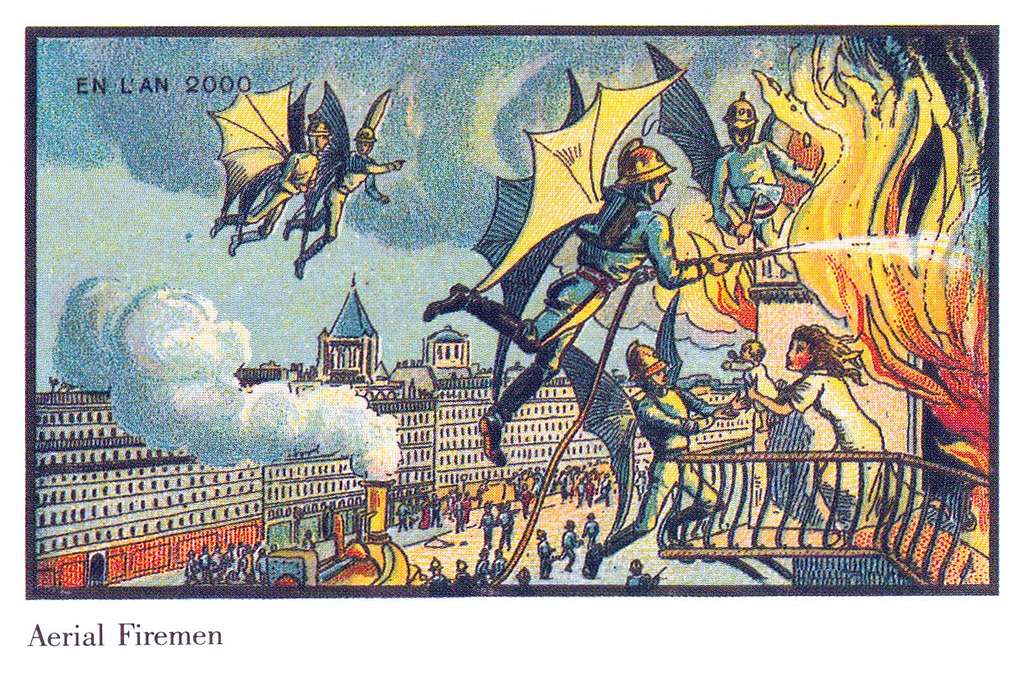
Science communication as firefighting
When the wildfires in California happened in January 2025 a lot of mis/disinformation spread like wildfire. The Los Angeles Times reported that “Rumors, political agendas are also raging: In the Trump-Musk post-truth world, conspiracies are spreading like flames” (January 14). But the newspaper was “also fighting to throw cold water on misinformation as it flares up”.
This type of science/health/risk/climate/extreme weather communication will probably become more common, where the verification and dispelling of misinformation become as important as the provision of scientific and other information, especially in the United States.
Will science communication potentially shift its focus from dissemination and engagement to scrutiny and firefighting? What will this mean for science communication? Will it transform or strengthen it? Where is science communication heading? Answers on a postcard, please!
PS. if you are interested in a deeper exploration of this topic, read this Substack by Christina Pagel (15 November 2025)
Image: The image is from the “En L’An 2000” (In the Year 2000) series, a collection of futuristic illustrations created by French artists, primarily Jean-Marc Côté, around the turn of the 20th century (Public Domain).
Leave a Reply