Year: 2026
-

The apo-collapse
In April 2024 I asked myself a question and then didn’t answer it. Back then I was writing a blog post about “model collapse”, the unsettling metaphor for what happens when an AI trains on its own output, degrading generation after generation like a digital case of mad cow disease. I then began to wonder…
-
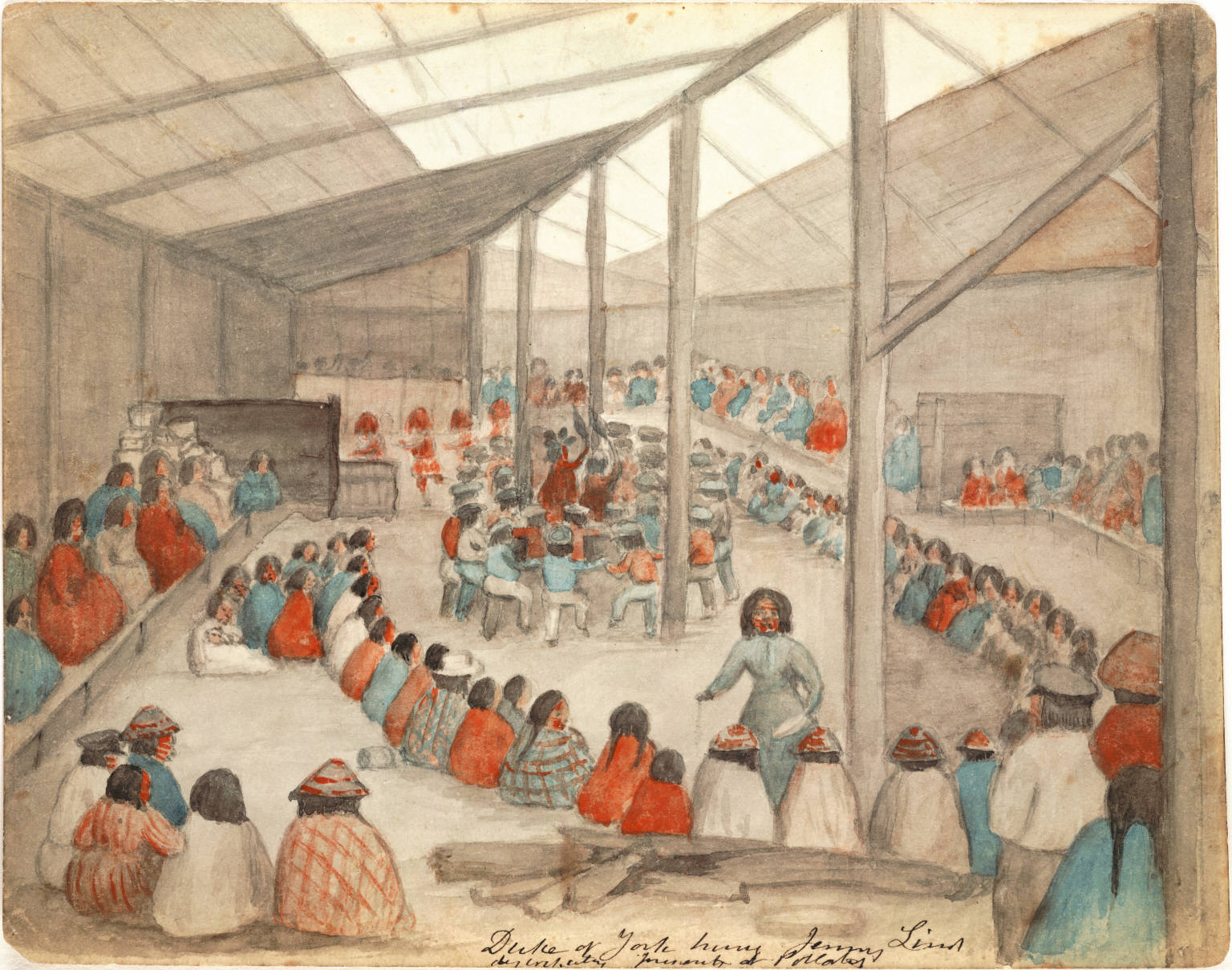
Asilomar 1975 and 2025: Speech acts and the performance of responsibility
On 1 August 2026 Yonatan Chemla and Christopher A. Voigt published a report in Trends in Biotechnology, entitled “Responsible biotechnology: An analysis of the Asilomar 2025 entreaties”. This caught my attention, because, just over ten years ago, I wrote a blog post about the first Asilomar conference held in 1975 entitled ‘Ta(l)king responsibility’. And, of…
-

AI watermarks: A placebo metaphor?
I have written about AI slop and AI fakes as part of my work here on the ‘metaphor observatory’ in the era of generative AI. So, when I saw posts on Bluesky about ‘watermarks’, I pricked up my ears. The buzz was all about Anthropic adding ‘watermarks’ to Claude so that one can see what…
-
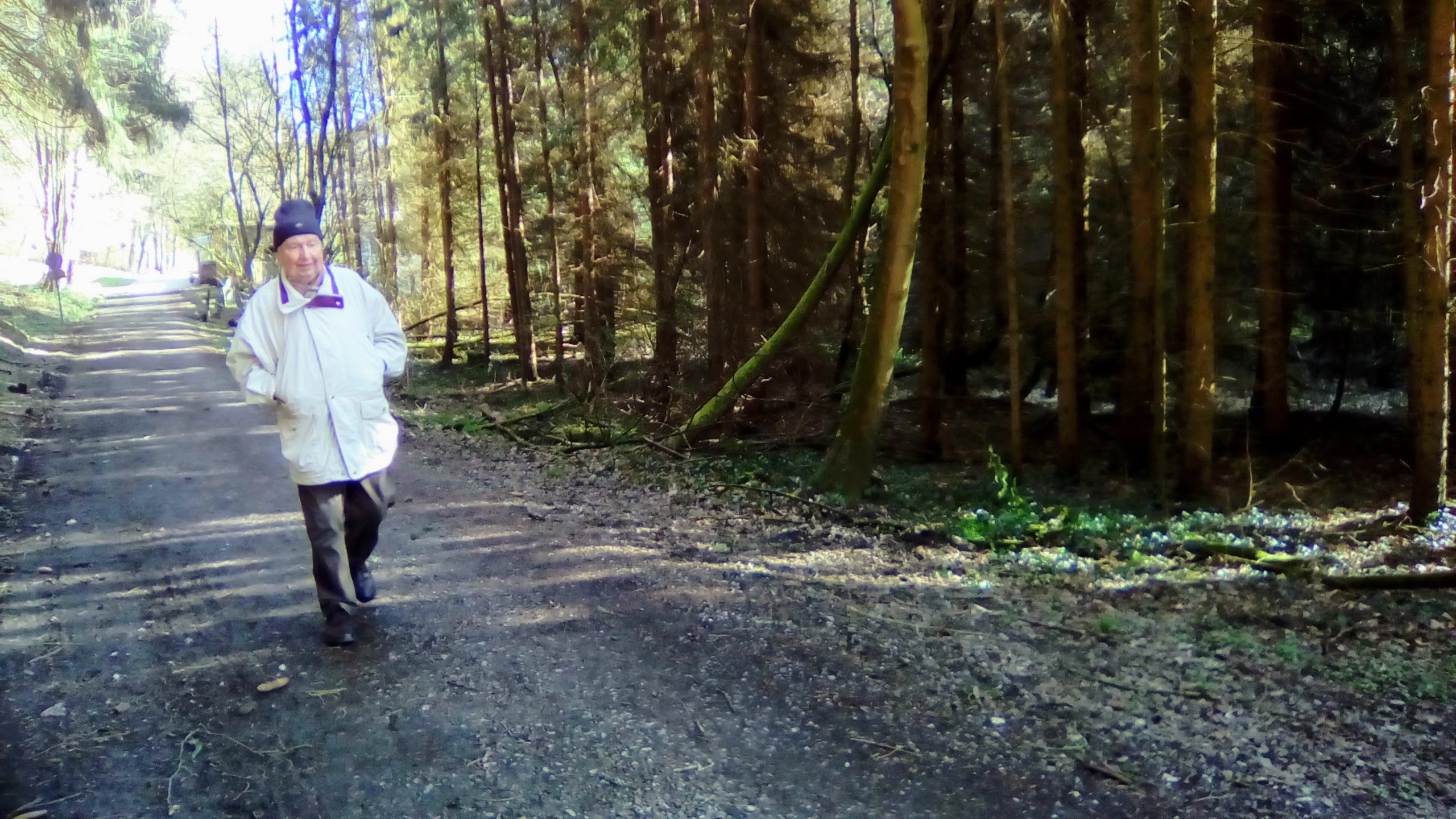
Making extreme weather personal, again: Wildfires in the US, the UK and Germany
On 4 August a wildfire started near where my twin sister lives in New Mexico. This was not unprecedented. Indeed I have written here on the blog about fires there in 2011 and in 2022. What was unprecedented was that I heard about it in the middle of seeing pictures of wildfires all over the…
-
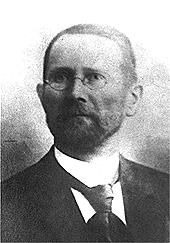
Remember Wegener?!
This blog post was first published on the History and Philosophy of the Language Sciences blog on 26 July 2026 and is republished here with permission. *** My old book Change in Language: Whitney, Bréal, and Wegener has just come out as an ebook. It was first published in 1990 and has now been reissued in Routledge’s History…
-
AI, metaphors and control
In the early 2000s, during the dramatic but now almost forgotten outbreak of foot and mouth disease in cattle, I wrote about war metaphors and the issue of projecting control over an ‘out of control’ virus through metaphor. Recently, in the age of AI, we have seen a mirror image of the control framing emerging,…
-

The cage and the core: Metaphor in Claude’s constitution
This is a guest post by Yury Sorochkin, an Independent Scholar ••• In January 2026 Anthropic published an 84-page document called Claude’s Constitution. It was written, its authors say, primarily for Claude — the company’s AI assistant — and it sets out in considerable philosophical detail the values, behavioural constraints, identity and possible moral status…
-

Climate change and language: An anthology of blog posts
I have been interested in climate change and climate change communication for a long time, most recently as part of a Leverhulme Trust funded ‘Making Science Public’ programme of research (2012-2018). As part of this programme, we established a blog: the ‘Making Science Public’ blog. Since then, I have been blogging about climate change language…
-
Between bricks and blobs: The SpudCell
I have been observing advances in synthetic biology from 2010 onwards when I began to chart how that new discipline constructed a new language for itself ‘brick by metaphorical brick’. That was the time of BioBricks and speculations about building synthetic cells ‘from scratch’. Now, some two decades later, we have gone from ‘bricks’ to…
-

Synthetic Biology and Language: An anthology
The blog posts assembled here were inspired by working on two projects. Between 2014 and 2016 I was part of a Synthetic Biology Research Centre project funded by the BBSRC focusing on bringing responsible research and innovation or RRI to synthetic biology at the University of Nottingham. We focused on the issue of ‘responsible language…