Tag: metaphor
-
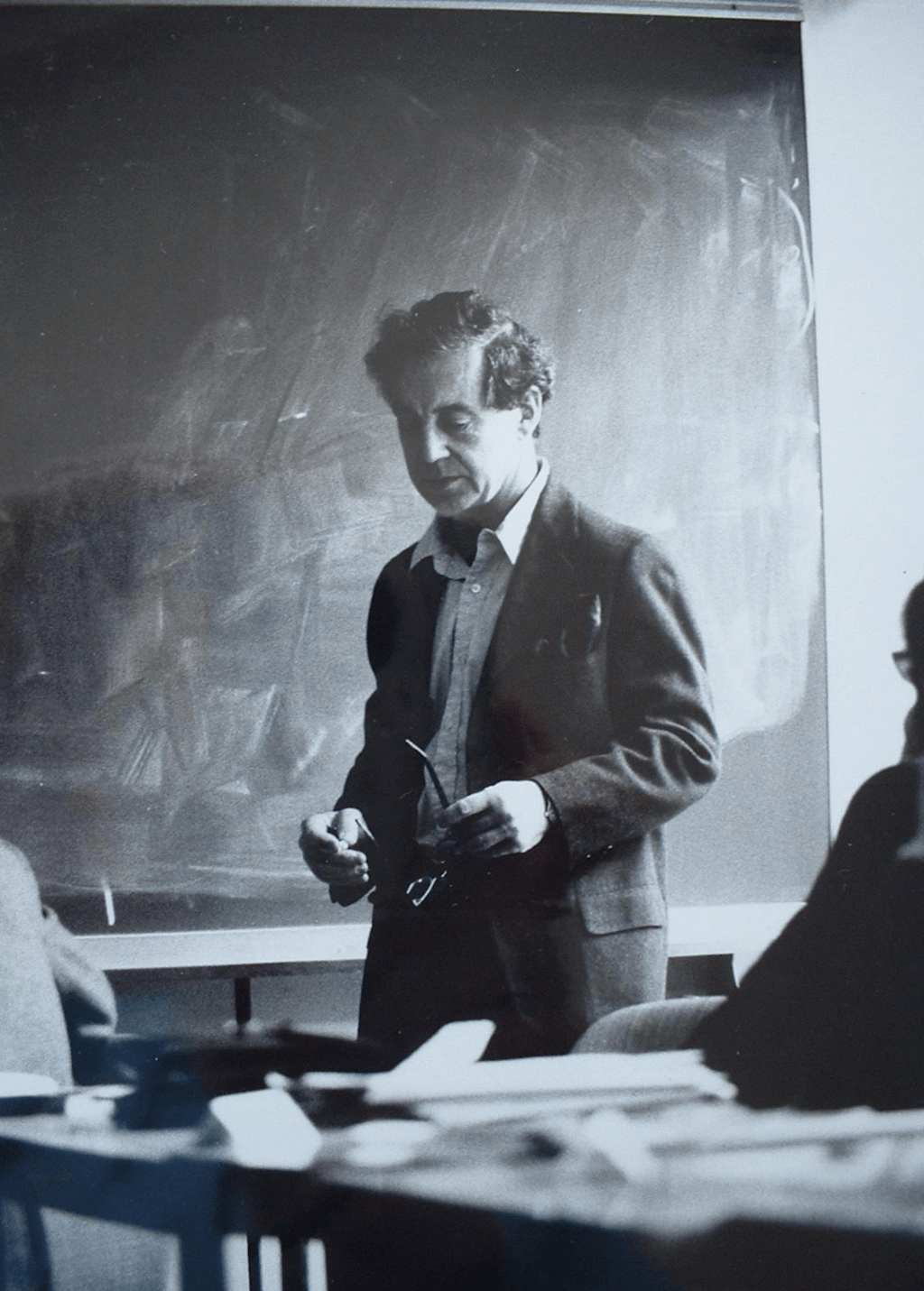
Erving Goffman: Memories, method and metaphors
If you do sociology or, indeed, any social science whatsoever, you’ll come across the work of Erving Goffman. I have done too but never engaged with it as much as I should have done. This was brought back to me when I talked with somebody who once shared a taxi-ride with Goffman and chatted with…
-
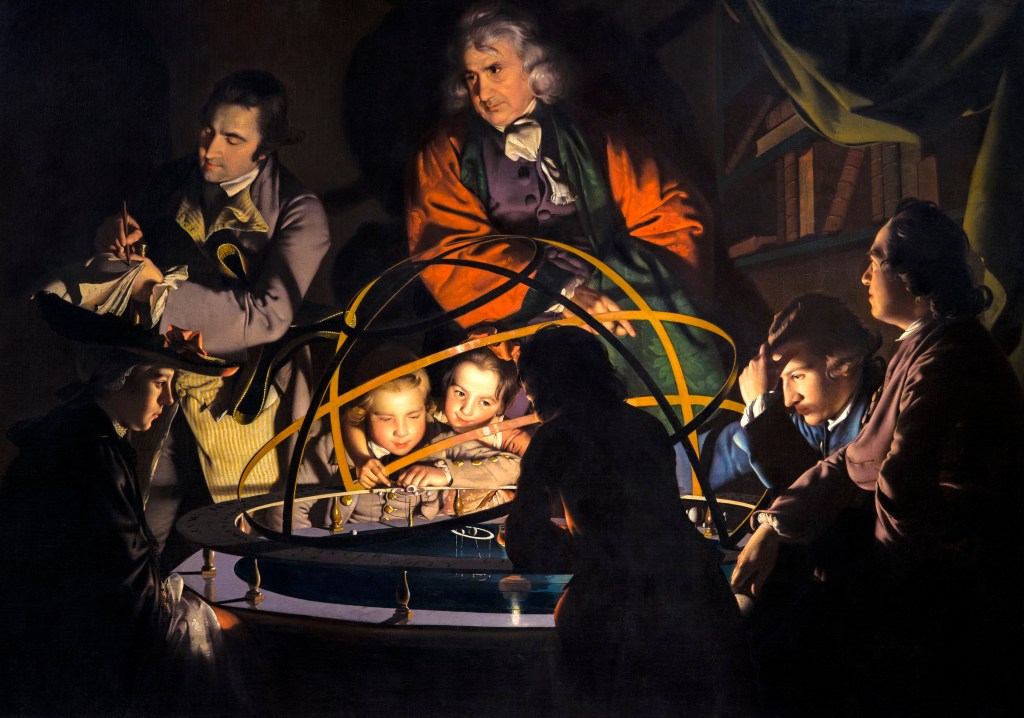
Let there be light!
We recently visited Derby and, for the first time in forty years, I actually went into the Cathedral. It doesn’t look very prepossessing from the outside, but boy the inside is great. It is full of light. It was built in 1725 and reflects and interacts with the ideas and values of the Enlightenment era. I…
-

Can Better Words Lead to Better Climate Action?
This is a cross-posting of the beginning of an article by Becca Warner for ATMOS magazine (thanks for the permission!). As this article contains some extracts from her interview with me, I thought it might make a good addition to the Making Science Public blog. To read Becca Warner’s article, please use this link! Article…
-

The Making Science Public blog: An introduction
I have now said farewell several times to my old university blogging platform, but I haven’t really started building up a new readership here. Newbies to the blog might wonder what the old Making Science Public blog was all about; what topics it covered before venturing to press the subscribe button….. As a gentle introduction…
-

Synthesising genomes: Future promises, past metaphors
Yesterday morning I was packing for a holiday and briefly listened to the Today programme on Radio 4, just at the time that Pallab Ghosh was talking about a new initiative funded by the Wellcome Trust, namely a new Synthetic Human Genome (SynHG) project. I didn’t really have time to listen or read about it…
-
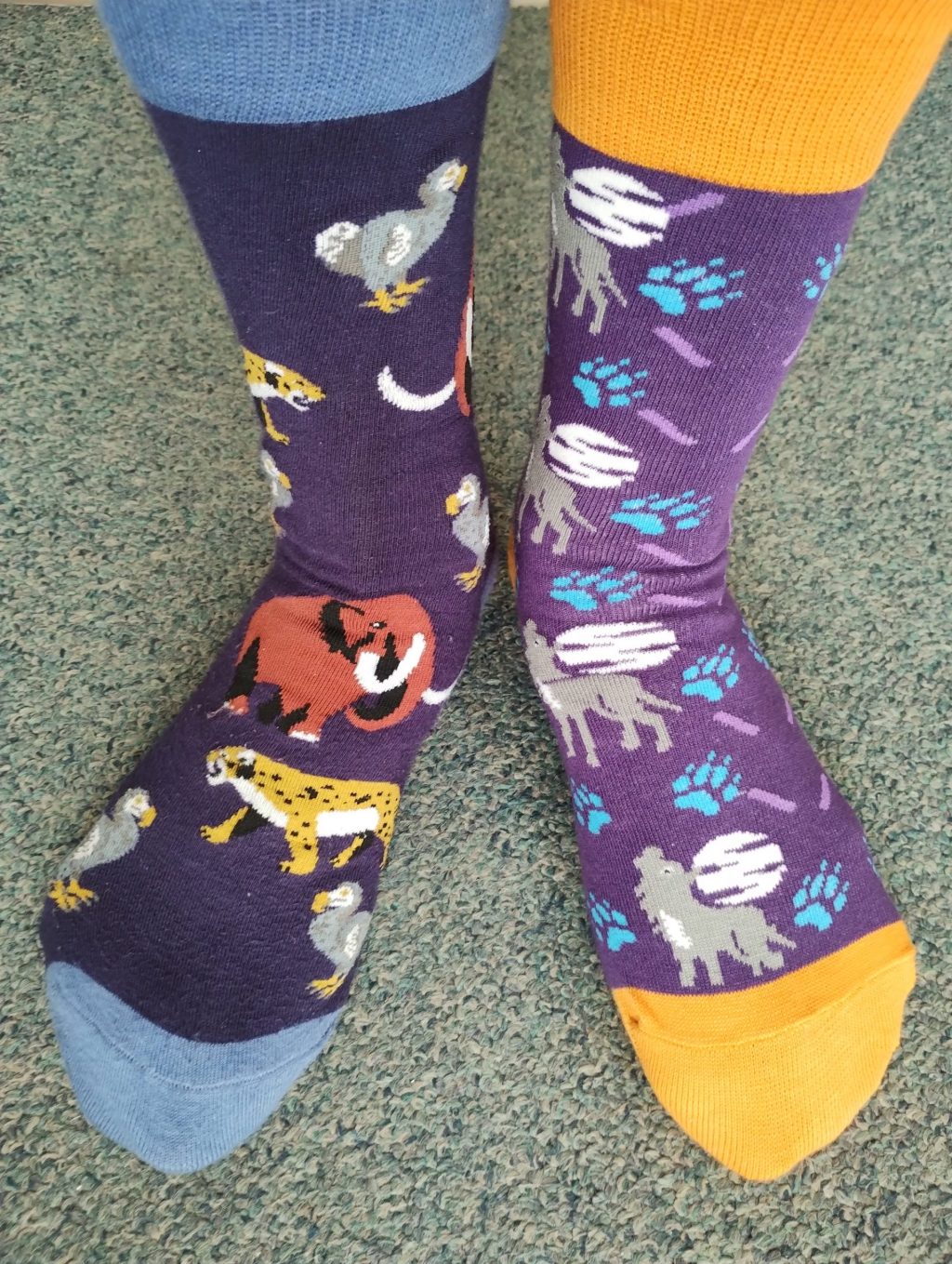
The (not) de-extinct dire wolf: Metaphors, myths and magic
This post is a collaboration between Brigitte Nerlich and Kate Roach, both retired social scientists with interests in science, culture and society. *** I (Brigitte) first heard about the dire wolf in a post by the science writer Carl Zimmer linking to an article he had written for the New York Times. I had never…
-

Steel porcupine: A metal metaphor for our times
When Covid spread I started to collect metaphors. Now the world has suddenly changed again. Metaphors of fighting a virus are replaced by talk about fighting literal wars. But metaphors are never far away. European leaders gathered in London on 2 March 2025 to talk about the Ukraine-Russia-US situation and make plans for a just…
-

Planes, ships and metaphors
We all know that meaning in language only happens in context. Words don’t mean in isolation; they acquire meaning in context. Metaphors even more so. The word ‘pig’ means different things in a farmyard, during a policy encounter or when a mother visits a teenager’s room. Mostly, meanings emerge in context because a speaker has…
-

Floods and fires: Reciprocal metaphorical mappings in crisis response
Psychologists, sociologists, linguists and many others have studied how people respond to extreme weather events, such as floods or wildfires. Some linguists have been interested in particular in analysing the use and impact of metaphors. When we studied the 2021 German floods, Rusi Jaspal and I found that floods were either metaphorically framed as human,…
-

Making Science Public 2024: End of year round-up of blog posts
It’s that time of year again when I write my round-up of all the blog posts that I have written over the year. There were more posts than I expected. I have tried to group them into topics, some of which you might be interested in, others not. This year, I mostly explored the ever-expanding…
 Making Science Public