Tag: Science Communication
-
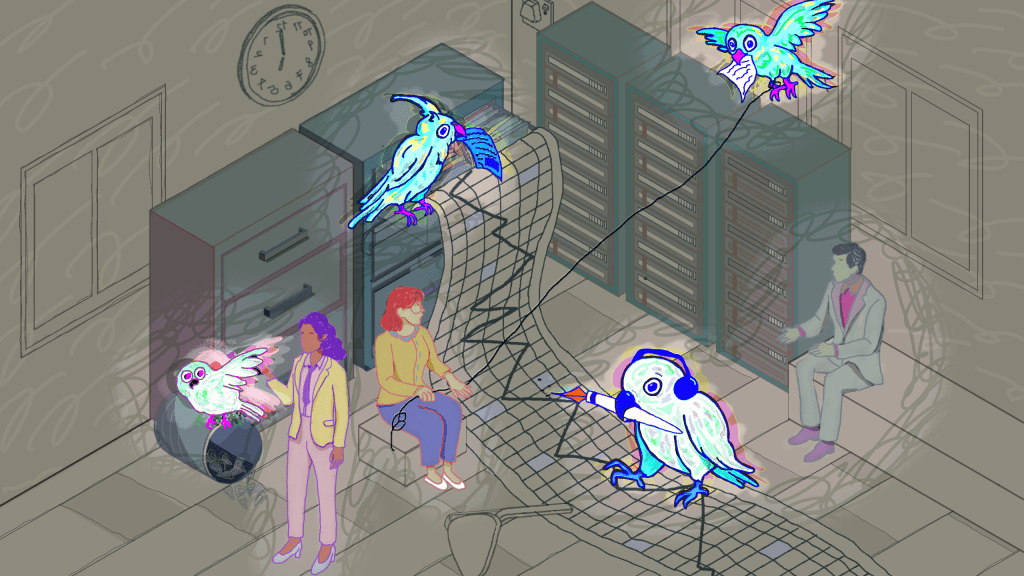
Metaphors in AI and genomics: Going beyond blueprints and parrots
I have been writing about metaphors in genetics and genomics since 2003 and about metaphors in AI/GenAI/LLMs since 2023. Recently, I started to wonder whether there are any similarities and differences in the nature and use of metaphors between the two fields and whether this has any possible impact on science communication. As usual, I…
-
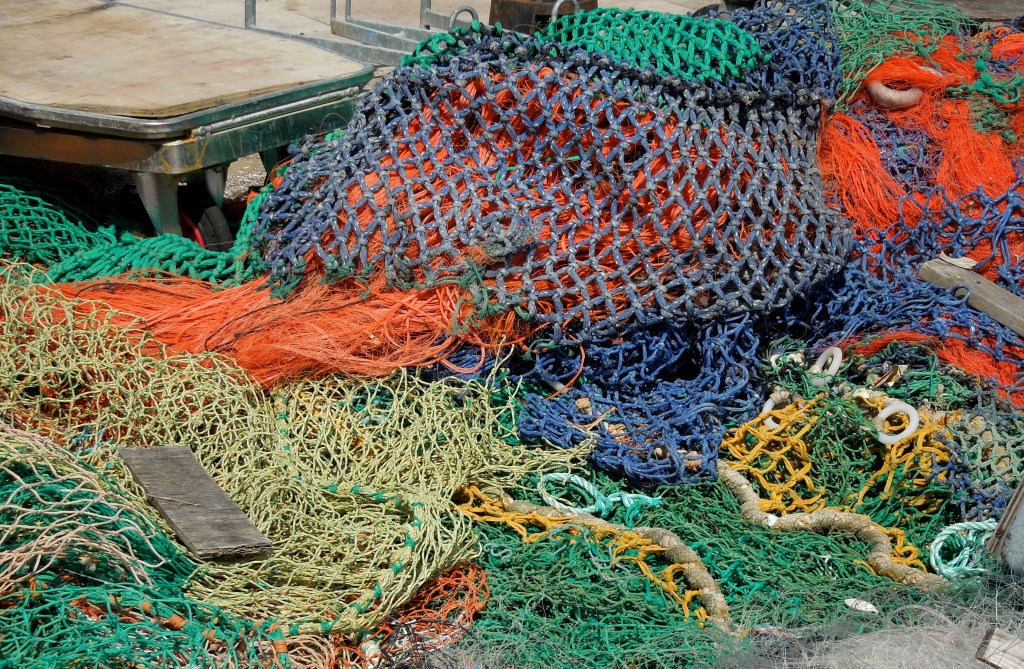
Metaphors for AI: Networks, holes and loops
I have been observing metaphors for generative AI for some time. This does not mean that I understand what’s going on in AI, but they provide me with an illusion of knowledge. They throw a net or mesh of metaphors over the topic that provides something of an epistemological safety net. But sometimes that net…
-

Metaphorical genres in science communication: From gothic discovery to domestic intervention
I was idly scrolling Bluesky for some news that was not depressing when I chanced upon an article by Roger Highfield dealing with a recent advance in gene editing. It reminded me of two previous posts I had written, one back in 2016 on “Precision metaphors in a messy biological world” and another in which…
-

Making Science Public 2025: End-of-year round-up of blog posts
This year has been quite a year! First, I had to move the blog to a new independent home after the University of Nottingham shut down their blogging platform (I wrote two posts about this, one reflecting on the past and one on the future). Second, there was a lot to blog about, from wildfires…
-

From symbolist poets to science communication: Exploring an invisible thread in my academic life
Years and years ago, I had an Academia profile in which I mentioned that when I began studying French literature in the mid-1970s I fell in love with Baudelaire and Rimbaud. I no longer have access to Academia, but somebody must have seen that sentence and recently sent me an email asking how I got…
-

‘Science in Action’ is ending. Here is why that matters
The year is coming to an end and with it a radio programme that was a staple of science communication around the world: the BBC World Service’s ‘Science in Action’. This is rather symbolic, as science itself is going out of action in some parts of the world, especially the United States where science funding…
-
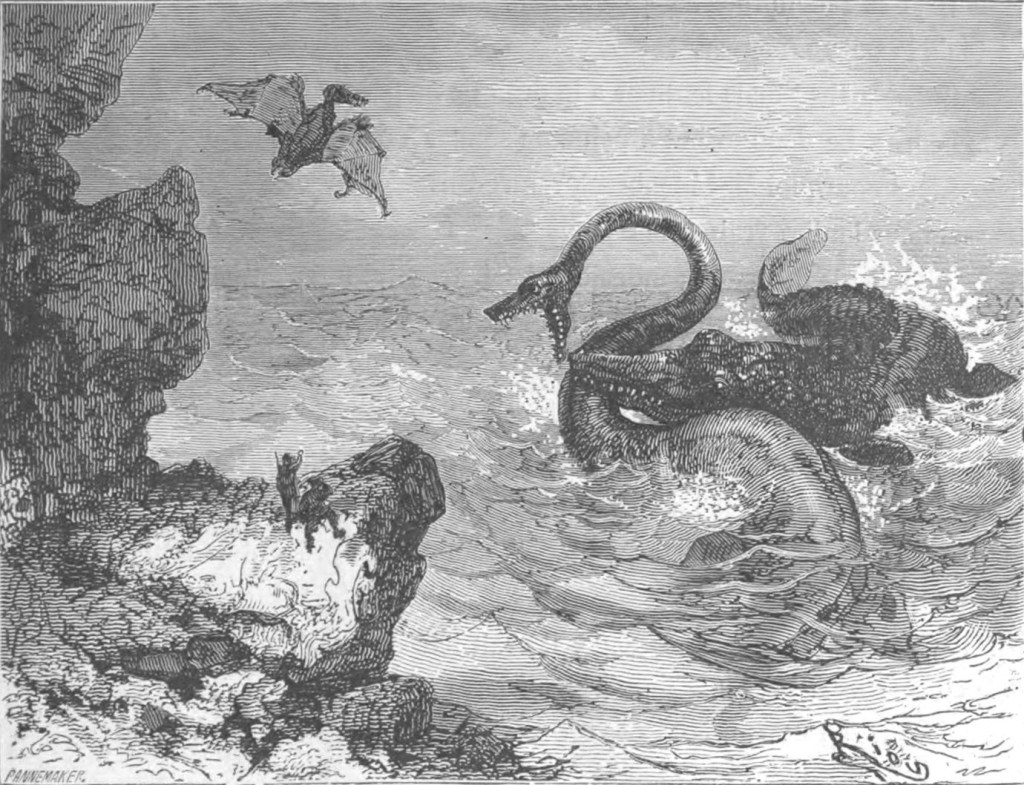
The dark genome: A gothic tale with a happy ending
On 29 September Roger Highfield published an article for the Francis Crick Institute entitled “A message from the dark genome: The genetic ghosts that haunt and help us” (based on a chat with George Kassiotis and Samra Turajlic). This set my metaphor-whiskers twitching, as the article overflows with metaphors circling around the central one of…
-

From dissemination to firefighting: The new reality of science communication?
Three things happened recently in my Bluesky timeline which made me think about the fate of science communication. In this post I’ll use these brief glimpses into science communication activities, science communication research and government science communication to reflect on how science communication might change, especially in the United States. Three snapshots of science communication…
-

Beauty and the snail
Since around 2016, the year I retired, I have followed the blossoming career of another University of Nottingham academic, Angus Davison, a professor of evolutionary genetics and expert on snails and a science communicator. He became famous in 2016 when he began to write and broadcast about ‘Jeremy the lonely lefty snail’, a snail with…
-

Space, hype and science communication
I recently wrote a post with Kate Roach about some hyped-up claims regarding de-extinct dire wolves. In the middle of writing about this, another claim came along, and, again, I thought “hmmm, is that really true or is it hype?”. This time it was not about de-extinct life but about extraterrestrial life. At the same…
 Making Science Public