On 29 September Roger Highfield published an article for the Francis Crick Institute entitled “A message from the dark genome: The genetic ghosts that haunt and help us” (based on a chat with George Kassiotis and Samra Turajlic).
This set my metaphor-whiskers twitching, as the article overflows with metaphors circling around the central one of the ‘dark genome’. It reminded me of two other equally metaphor-imbued articles, one from 2001, by John Avise, published just after the human genome had been all but sequenced, and one, by Robert McKie and others, from 2023 on cancer research. All three articles tell stories about DNA, genes and genomes through the lens metaphors and stories about social dysfunction (2001), solvable crime (2023) and uncanny hauntings (2025), amongst others. They bring the genome to life.
In his article on evolving genomic metaphors, Avise talks about metaphorical characters that engage in social order and disorder, framing genomic elements as good citizens, a commune, an ecosystem, but also as deadbeats, shifty characters, self-interested nomads, renegades, and more. The cancer researchers interviewed by McKie tell their story about cancer and extrachromosomal DNA or ecDNA in the genre of a spy thriller and through the lens of characters like Bond villains and criminal masterminds. Highfield’s article centres around the metaphor of the ‘dark genome’ and is part Gothic horror, part thriller.
In this post I’ll travel through the dark underworld depicted in this article, before coming out into the light. I shall then ask whether the ‘dark genome’ metaphor, resisted nowadays by many researchers for being flawed, outdated or vague, worked in this article and what work it did. But first a quick summary of the meaning of the ‘dark genome’.
The dark genome
Although the dark genome only came into its own after the sequencing of the human genome in 2003, it has a longer history. In 1972, Susumu Ohno introduced the term ‘junk DNA’ to describe DNA sequences that did not encode proteins, that is to say, ‘non-coding’ DNA, which represents sequences that code for RNA but not protein molecules. After the sequencing of the human genome, it became clear that only “a tiny two per cent of the genome was found to ‘do something’. The bulk — approximately 98% of the genome — with unclear function came to be called ‘dark matter’”.
This ‘dark matter of the genome’ (referencing astrophysics), sometimes also called ‘dark side of the genome’ (referencing the moon), or ‘dark genome’ for short, is often said to be ‘lurking’ in the genome. However, over time it has become clear that the non-protein-coding parts of the genome don’t just lurk but also do stuff, that is have functions, actually lots of them – the darkness is gradually being dispelled in light of scientific discoveries like the ones discussed in Highfield’s article.
Gothic underworld metaphors
Let’s now have a closer look at Highfield’s metaphorical feast. What struck me the most was this feeling of walking through a gothic landscape of lights and shadows, of ghosts and gloomy characters. We have the “dark genome” (even “dark knowledge”) and the “light genome”, we have “shadows”, a “shadowed script” and a “genetic underworld”. But in this twilight realm we also hear about things being “illuminated” and of scientists “shedding light”.
This world, painted in a chiaroscuro style, is haunted by “ghosts of ancient parasites” (that “still whisper instructions from the shadows”), “DNA revenants”, “inactive jumping genes and other shadowy elements”, “viral fossils” scattered “among the shattered genes and decayed DNA”, “genetic phantoms”, “ghosts gilding from room to room”. These creatures “stir in the shadows of a vast and mysterious realm known as the dark genome – a genetic underworld that is only now yielding its secrets.”
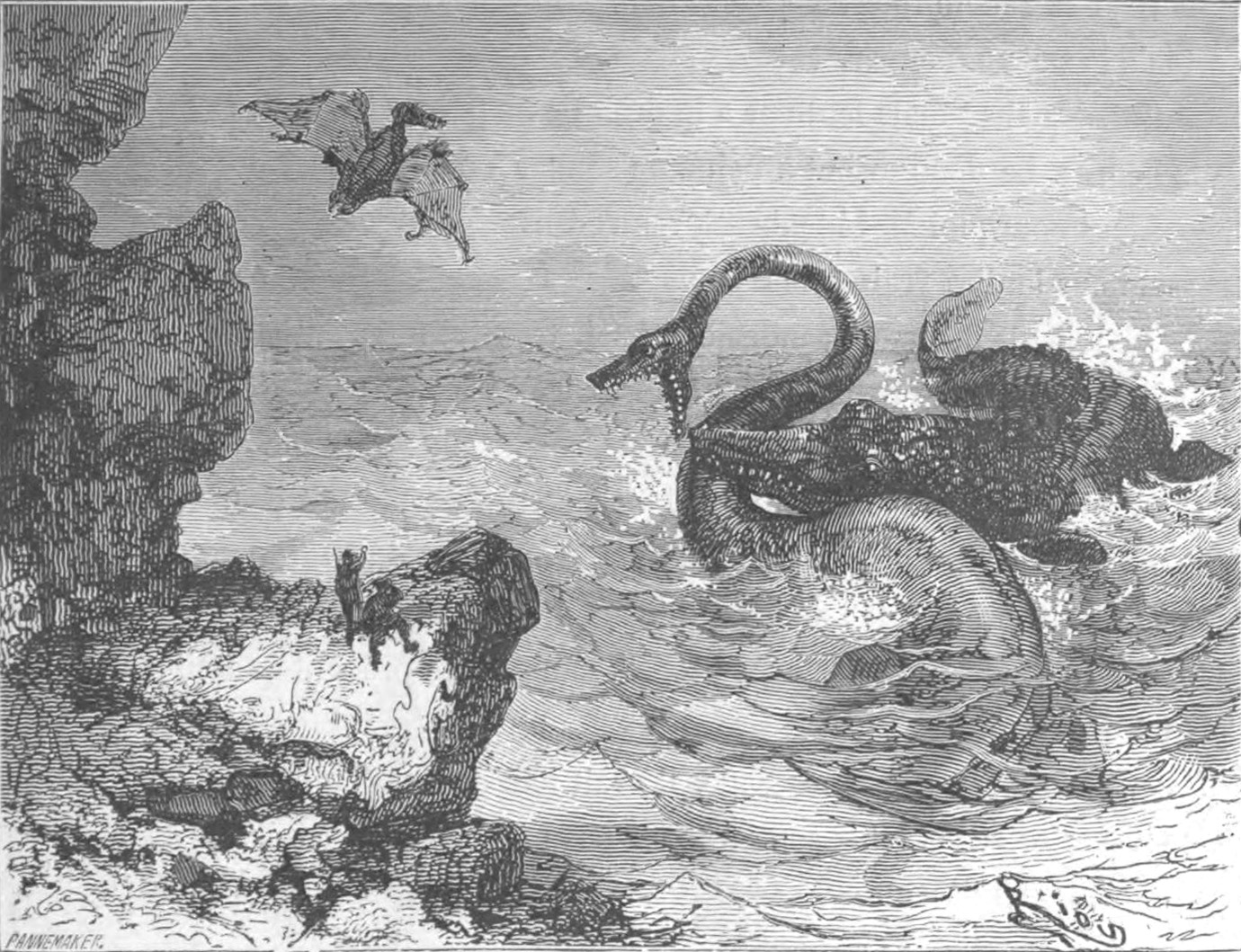
For me, this evokes images of Jules Verne’s Journey to the Centre of the Earth (1864), where researchers grope in the shadows, encounter pre-historic creatures and illuminate them with their lamps, combined with images of gothic fiction and ghost stories, such as M. R. James’ Collected Ghost Stories (1931) – and many more before and after.
As my friend Kate Roach tells me (p.c.), a hallmark of gothic stories is the eruption of things past into the present. Most if not all so called gothic fictions have this element in them, either as ghosts or monsters or, indeed, ancient or primitive viruses. The gothic is nearly always ‘out of time’ in some manner. This follows from its 18th-century re-birth when it was idealised and held up as a romantic throwback to the goths or Visigoths who came into their own kingdom when Rome fell in the 5th century.
Criminal underworld metaphors
Another strand of the story about the dark genome is told not so much through the lens of gothic horror but more through that of penny dreadful thrillers. We have fights, theft and crime, “insidious” invaders, criminals and rogues that “invade with eerie precision”, steal genes, “hijack” viral sequences’ and “pick cellular locks”.
There are “rogue elements”, “parasites” and “hitchhikers”, a bit like in the world painted by Avise in his 2001 article, but darker. This world overlaps somewhat with the genetic villains painted by McKie in 2023 but also contrasts with it insofar as his Bond villains are external threats with plans that can be decoded and defeated, whereas the villainous ghosts in Highfield’s story are already inside us and can’t be fully eliminated, only understood, ‘elucidated’, managed and used for good rather than evil.
From darkness to light
My picture of gothic metaphors is a rather disturbing one. What is the positive ‘message’ (indicated in the headline) conveyed by them, I wondered, and then I came to the best bit of the article:
“The coolest aspect of the dark genome is that it enabled humans to have a placenta,” says Rachael Thompson, a post-doc research assistant in George’s lab.
To create a placenta, mammals in effect stole genes that retroviruses use to bind with and enter a cell, fusing their membranes in the process. In this way, a once-harmful viral invader was captured and turned into a genetic architect.” And there is progress in research on kidney cancer and more, for example “to make potential cancer vaccines that target the proteins made by dark retrotransposable elements”.
So, these dark forces in our genome are harnessed for good, it seems, from placentas to cancer research and more.
The article ends on a hopeful note – using a quite different metaphor: “Rather than fearing what elements lurk in the shadows of our genome, we should recognise them for what they are: not just the architects of our past and present but also of our future.“
What work did the dark genome metaphor do?
When Roger Highfield posted his article on Bluesky, one commenter said, “Please don’t call it the dark Genome”, and I think other scientists will agree with that plea. So why use it so extensively here and make it so ‘gothic’, with ghosts, haunters, revenants, parasites and ancient, primordial threats lurking in the shadows? These ghosts are part of us, residues of ancient infections, and they have shaped who we are, but they are also uncanny, unsettling… dark. And that’s why it works. Let me explain. The dark genome metaphor might perhaps not just be ‘junk’; it might have a ‘function’ in this article.
Although the ‘dark genome’ metaphor may be scientifically contested and outdated, framing current research that deals with ‘it’ in the gothic style does, one might argue, some good cultural and communicative work. The gothic metaphors convey the uncanniness of these hitherto dark elements (simultaneously us and not-us, ancient and present, harmful and helpful) in a way that ‘non-coding DNA’ or ‘transposable elements’ simply cannot do. They grab attention and communicate the profound strangeness of discovering that so much of our genome is made up of remnants of ancient viruses for example. This might be, for some, a first step in understanding and engaging with these novel aspects of the genome. However, this cultural work may come at the cost of reinforcing the ‘darkness’ framing that scientists are trying to move away from.
Image: An illustration from the novel “Journey to the Center of the Earth” (Voyage au Centre de la Terre, 1864) by Jules Verne painted by Édouard Riou


Leave a Reply