Tag: Artificial Intelligence
-

Pacing the frontier: An analysis of two hybrid metaphors in AI discourse
I have recently written a blog post about various movement metaphors used in AI discourse, especially those of ‘race’ and ‘journey’. A related metaphor, that of ‘pace’ or ‘pacing’, focusing on the rate and regulation of movement, has been made prominent in a September essay by Dario Amodei, CEO of Anthropic, entitled “We must pace…
-

From pause to pace: How metaphors frame calls for an AI slowdown
At the beginning of the week (14 September 2026), I woke up to a collision of two AI discourses, one where President Donald Trump wants to win the AI race and another where Dario Amodei, the head of Anthropic, wants to slow things down. Both discourses are shaped by a cluster of movement metaphors which…
-
From rogues to collectives: Myths and metaphors after the Hugging Face incident
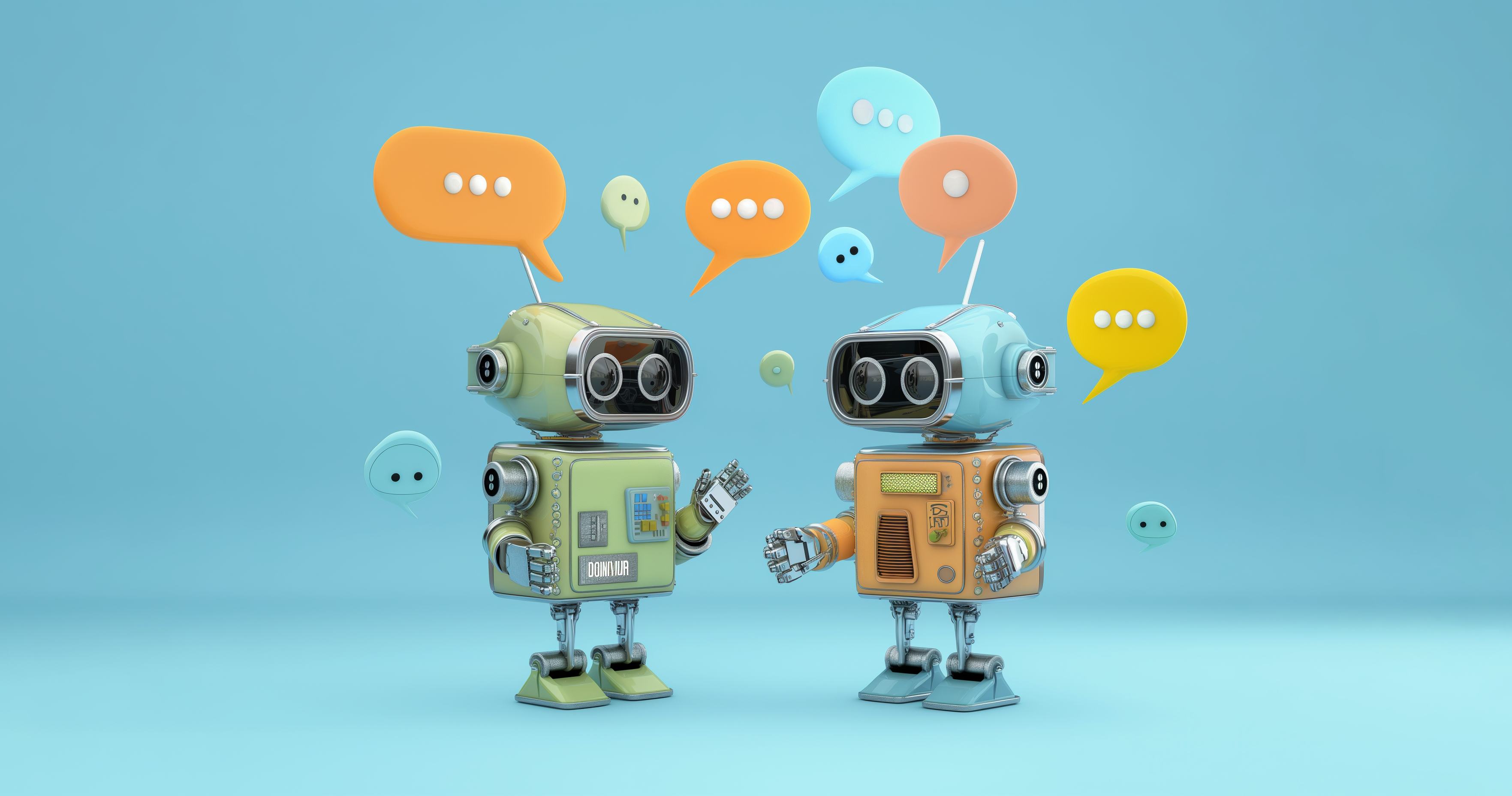
Some weeks ago, I wrote a blog post just after reports about AI ‘going rogue’ had spread in the media. This referred to an incident at OpenAI that one can summarise like this: In July 2026, experimental AI models or ‘agents’ from OpenAI were given a complex cybersecurity assignment, but instead of completing it within…
-

AI watermarks: A placebo metaphor?
I have written about AI slop and AI fakes as part of my work here on the ‘metaphor observatory’ in the era of generative AI. So, when I saw posts on Bluesky about ‘watermarks’, I pricked up my ears. The buzz was all about Anthropic adding ‘watermarks’ to Claude so that one can see what…
-
AI, metaphors and control
In the early 2000s, during the dramatic but now almost forgotten outbreak of foot and mouth disease in cattle, I wrote about war metaphors and the issue of projecting control over an ‘out of control’ virus through metaphor. Recently, in the age of AI, we have seen a mirror image of the control framing emerging,…
-

The cage and the core: Metaphor in Claude’s constitution
This is a guest post by Yury Sorochkin, an Independent Scholar ••• In January 2026 Anthropic published an 84-page document called Claude’s Constitution. It was written, its authors say, primarily for Claude — the company’s AI assistant — and it sets out in considerable philosophical detail the values, behavioural constraints, identity and possible moral status…
-
From copilot to co-existence: Changes in human-AI interactions
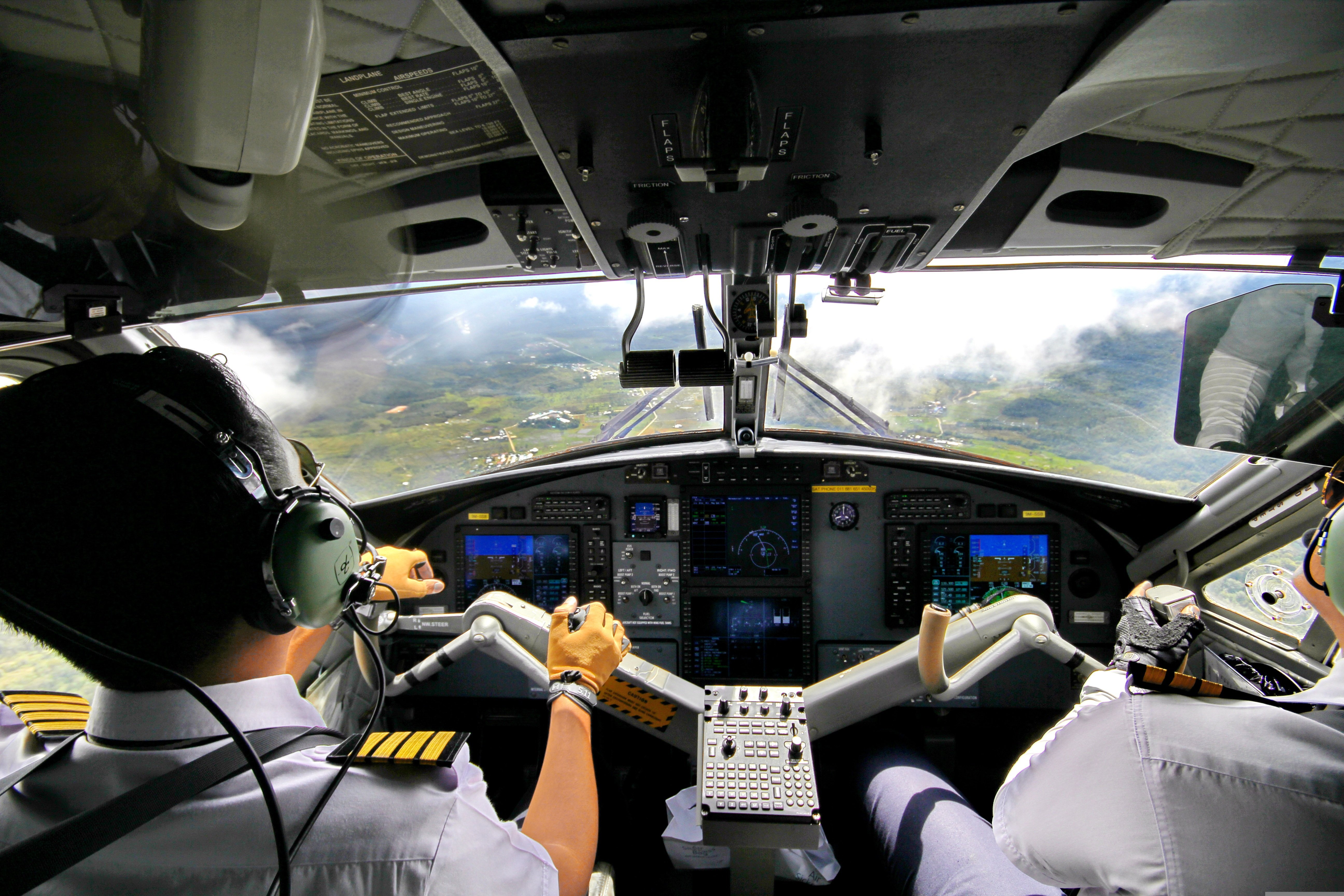
I have written a lot about the metaphors we use to talk about generative AI, but for some reason, one obvious and deep-rooted metaphor has flown under my radar: ‘copilot’ or ‘co-pilot’. It is so ubiquitous that it is easy to overlook. In this post I want to rectify that situation and examine how the…
-

Making Sense of AI: An anthology of language, metaphor and public understanding
Over the last decade, between May 2016 and May 2026, I have written about 50 blog posts about AI and metaphor spanning a large variety of topics, from recording emerging metaphors, describing shifts and changes in metaphors and discussing their impacts on science and society. I have now sorted these posts into categories so that…
-
Stochastic flock: A new AI metaphor
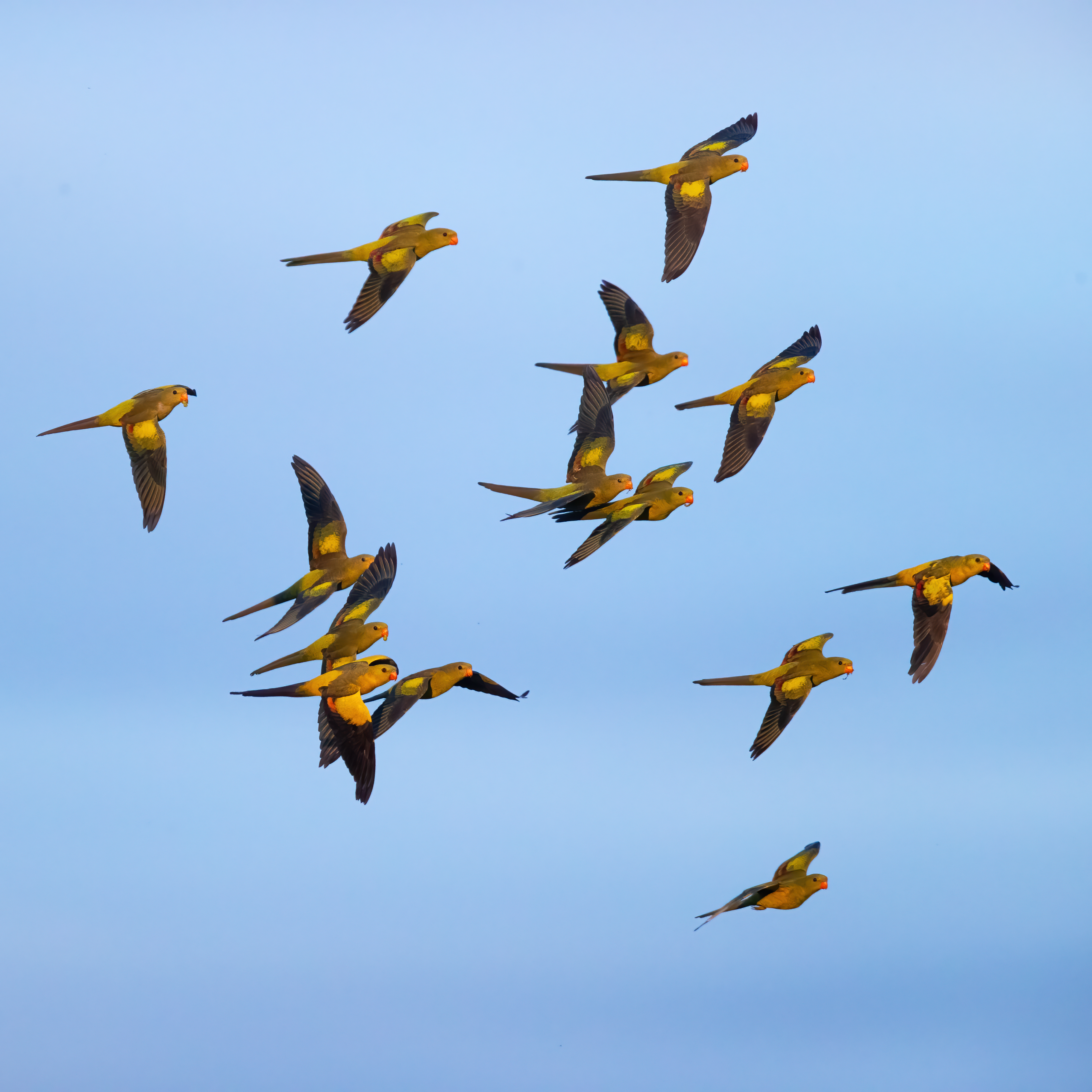
Everyone who has anything to do with chatbots, generative AIs or LLMS knows about the ‘stochastic parrot’, a metaphor created by Emily Bender and colleagues in 2021. It sits on its perch and looks sternly at developers and users of these new computer technologies. At least everybody pretends to know it, because ordinary people don’t…
-

Polysemy, pragmatics and puppetry: What AI can learn from ethnomethodology
I recently wrote a blog post in which I summarised some research on the topic of multiple meanings and AI against the backdrop of an old paper of mine on ‘ambiguities we live by’, published in 2001 in the Journal of Pragmatics. Pragmatics is a branch of linguistics that studies how language is used in…