Making Science Public: A blog on science, language and culture
-

Air con and the apocalypse
I have recently spent a lot of time in official spaces, GP surgeries, hospitals etc. Where in the past one would sit with a window or door open, there is now air conditioning. In Eye Casualty the other day, I heard the head nurse tell a junior: “Didn’t you read the memo? We are not…
-
Synthetic biology: Modelling joys and fears brick by brick
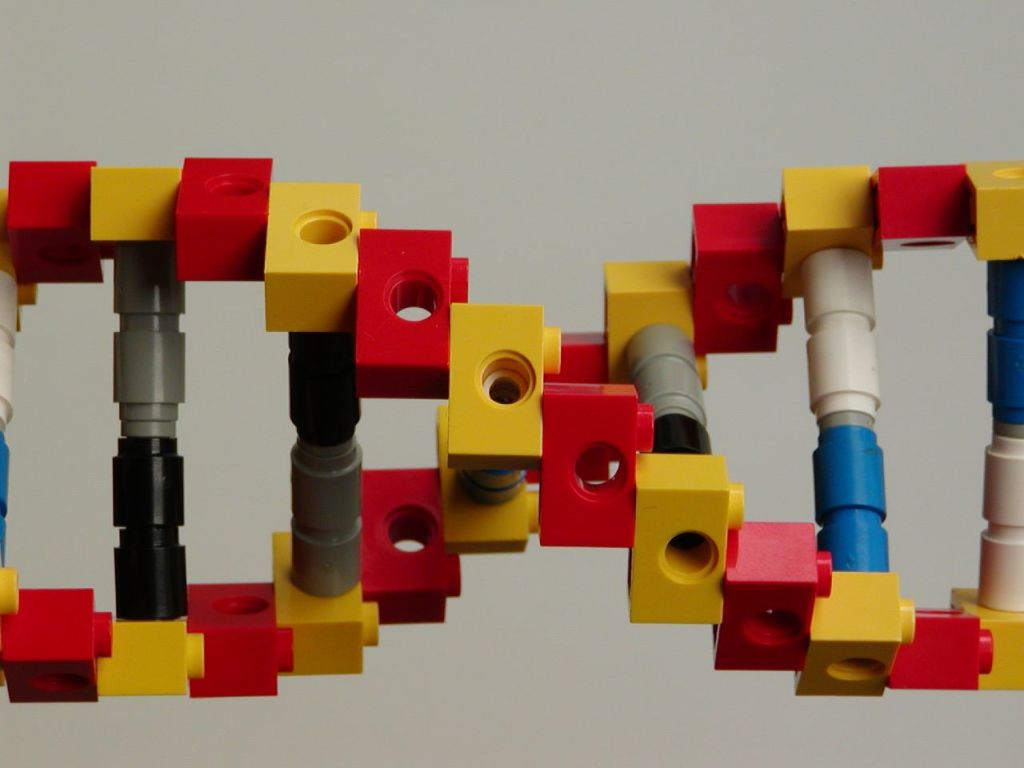
Carmen McLeod, Stevienna de Saille and I recently published an article in which we used findings from a LEGO® SERIOUS PLAY® workshop to show that scientists’ (synthetic biologists’) views of risk and responsibility are much more ‘societal’ than one might expect. This means, involving them in a new form of science governance (RRI), which itself involves new…
-

Epigenetics and sociology: A critical note
I recently read an interesting article by Michel Dubois, Catherine Guaspare and Séverine Louvel entitled “De la génétique à l’épigénétique: une révolution ‘post-génomique’ à l’usage des sociologues”, which appeared in the Revue française de sociologie, 59(1), 71-98 (2018). Dubois et al.’s ‘critical note’ is intended to introduce French readers to English works that explore the boundaries…
-

Bacteria, metaphors and responsible language use
A lot has been written about the war on bacteria, especially in the context of antimicrobial resistance. Some articles reflect on the metaphor of war in medicine and in microbiology more generally, others deal with the metaphors of bacterial communication and communities. A few papers look more closely at the way bacteria are anthropomorphised in the…
-

The vertical rod in the center of the DNA molecule
A while ago I read this tweet by Kindra Crick: “Odile Crick, my grandmother, drew the first published diagram of #DNA It was 65 years ago #onthisday, as a diagram in the first of the three papers published in @nature on the structure of DNA. (Watson & Crick, Wilkins et al, Franklin & Gosling) #SciArt…
-
Brains, organoids and cultural narratives
For a while now I have been observing developments in neuroscience, stem cell research and tissue engineering, in a rather desultory fashion. Behind my back things began to happen and grow. Organoids In 1989 the journal Science reported on research into ‘organoids’ (or, as the OED defines them, the “growth of cells or tissue in culture…
-

Data harvesting: A metaphor ripe for scrutiny
At the end of March news of a data scandal broke – you all know which one. As Steven Poole in The Guardian wrote: “The political data firm Cambridge Analytica has been accused of unauthorised ‘data harvesting’ from millions of Facebook accounts. This handily avoids allegations of ‘theft’ or even just ‘mining’”. Data harvesting is not only…
-

‘3D printing with atoms’ and ‘Open day’ – an update
This post is one in a series of posts about a graphic novel, ‘Open Day’, created as part of a project on 3D printing with atoms, funded by the EPSRC and led by Phil Moriarty. Previous posts by Phil and me can be found here. The novel was scripted by Shey Hargreaves and illustrated by…
-

Making Science Public: Six years on
It’s coming up to May 2018. In May 2012 we started our five-year Making Science Public Project, which was funded by the Leverhulme Trust. I directed the programme between May 2012 and October 2016. I then retired and Sujatha Raman took over as director. The project had a non-cost extension for a year and now…
-

Antimicrobial resistance and climate change: Communication, governance and responsibility
Last week I was reading some tweets from an international science communication conference held at Dunedin, New Zealand. As I have blogged and written about hype, I was particularly interested in tweets about a fascinating Roundtable convened by Tara Roberson entitled: “Can hype be a force for good? – Debating the benefits and drawbacks of science…
 Making Science Public