Making Science Public: A blog on science, language and culture
-
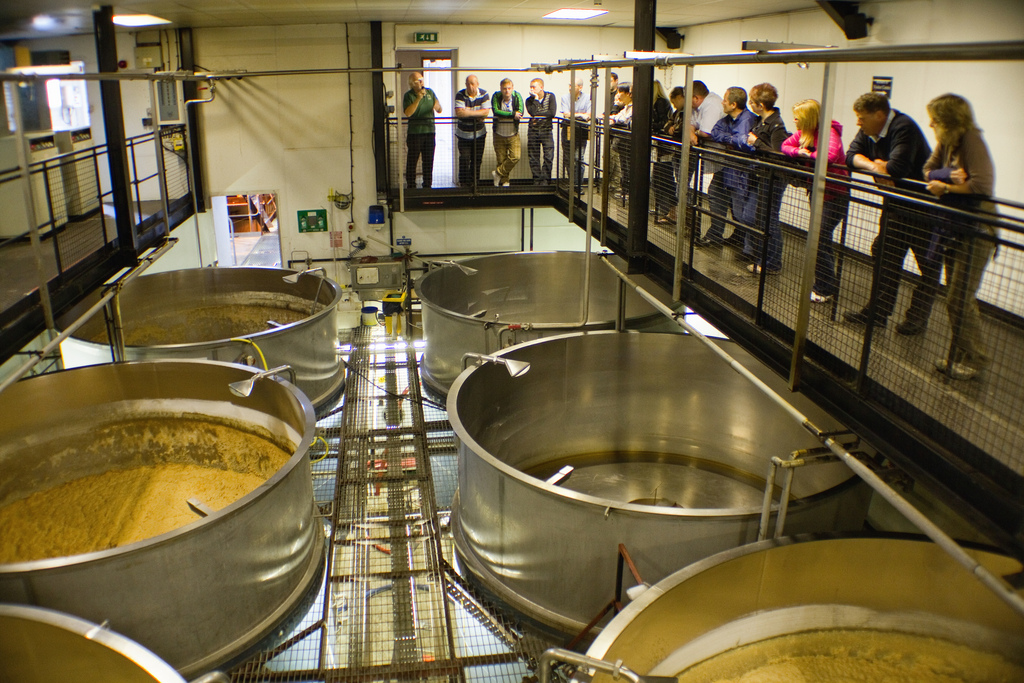
Advanced fermenters
I recently dipped my blogging toe into the microbiome, lured there by Jon Turney’s book I, Superorganism. A few days ago, while trying to find an old email on a completely unrelated topic, I came across a comment by Denis Noble that he had sent me when we were corresponding about the microbiome in around…
-

What role for a scientist in political science communication?
This is a GUEST POST by ATHENE DONALD, Professor of Experimental Physics at the University of Cambridge and Master of Churchill College. A couple of months ago Brigitte Nerlich, who hosts this blog, asked me to contribute a post. As it happened, when she sent me the invitation I had just read, and possibly inwardly…
-
The well-informed citizen
Last week Greg Hollin sent me an interesting article by Charles Taylor on Latour and metaphor which was an enjoyalbe read, as it sparkles with word play from the title onwards. However, this is not what I want to write about. When reading the article I happened to glance at a footnote mentioning an old…
-
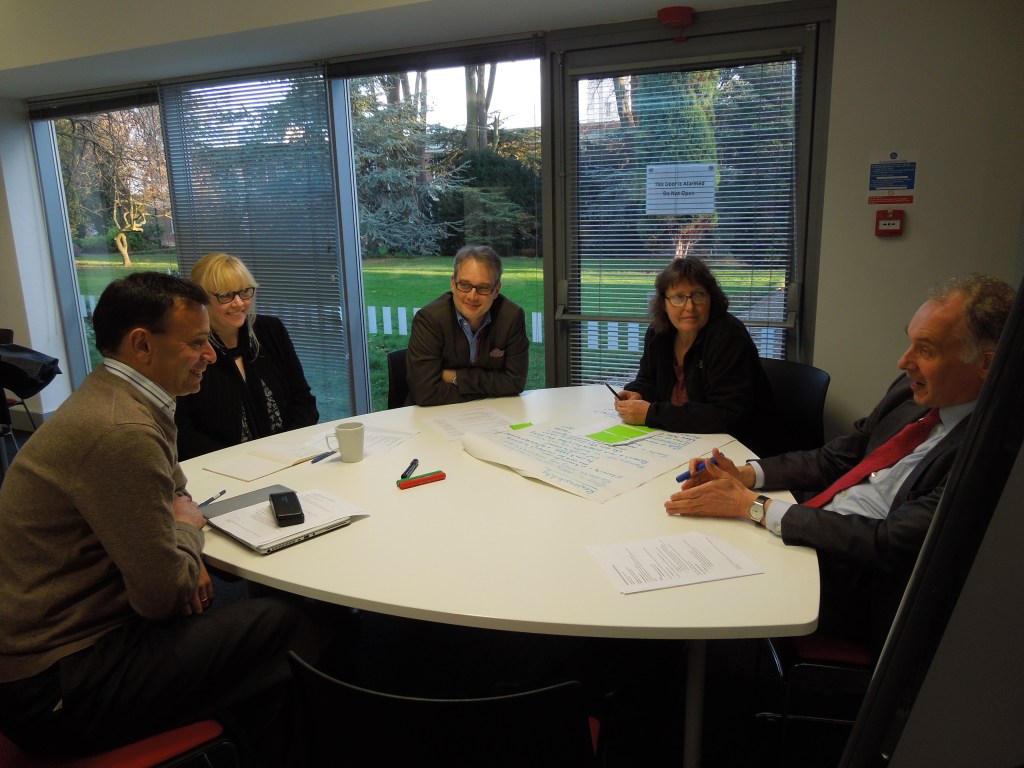
RRI at Nottingham: report from public lecture and workshop, January 2015
Joint post with Sarah Hartley and Eleanor Hadley Kershaw. On January 8th, Prof. Richard Owen delivered the MSP lecture “Responsible Research and Innovation (RRI): from nice words to meaningful action”, providing an engaging overview of the topic for over 60 attendees from across the University. Richard drew on classic literature from STS (for example, Collingridge’s…
-

From recombinant DNA to genome editing: A history of responsible innovation?
In this post I shall report on a recent call for ethical and regulatory reflection by scientists engaged in a new genomic technology. I’ll then put this into a historical context of previous initiatives of that kind, and finally ask whether this can be called ‘Responsible Research and Innovation’. CRISPR Recently, a new controversy has…
-
The co-production confusion
The word co-production is used a lot around me. However, the situation is quite confusing. Upstairs, in the public policy corridor, it is used in one way; downstairs, in the Science and Technology Studies (STS) corridor, it’s used in another way. So I set out to get to the bottom of this confusion. But of…
-
Genes, microbes, us
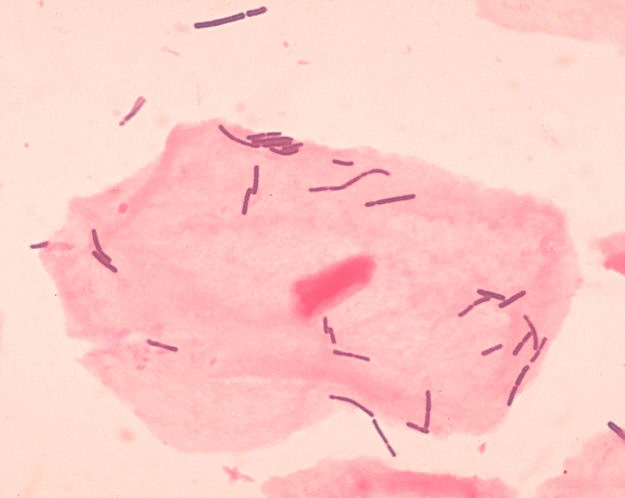
Jon Turney has just published a fascinating new book about the microbiome and microbiomics entitled I, Superorganism: Learning to love your inner ecosystem. This blog post is a collection of thoughts provoked by this book; it’s not a book review. Coincidentally, Jon’s 1998 book Frankenstein’s Footsteps was my gateway into the social and cultural study…
-

Mundane Consequences of the Unintended
This is a GUEST POST by Richard Helliwell, a PhD student at the Institute for Science and Society. How can responsible research and innovation frameworks deal with mundane consequences, consequences that although minor add perhaps imperceptibly to the load of daily frustrations and annoyances that emerge through our interactions with various technologies and services. The…
-

Making sociology public
This is a GUEST POST by MARK CARRIGAN. He is a Research Fellow at the Centre for Social Ontology at the University of Warwick and a Digital Fellow at the Sociological Review. You can find more information about him at the end of this post. Ever since I began to study Sociology, I’ve been fascinated…
-
Basic science and climate politics: A flashback to 1989
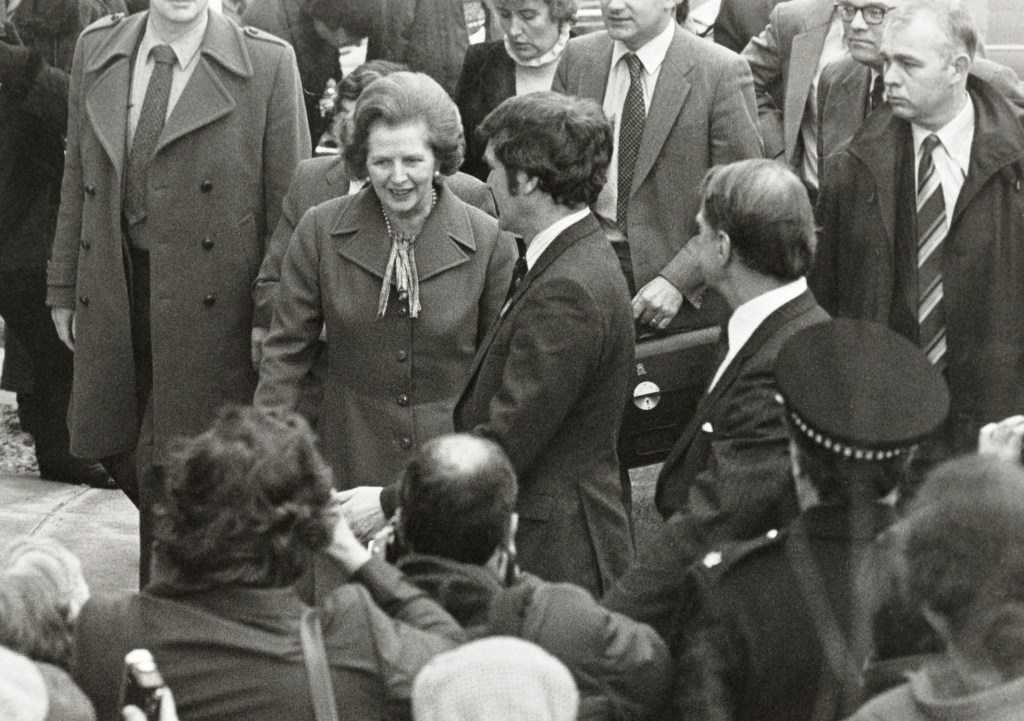
We were trying to empty a room for refurbishment. So we rummaged through some old papers which included amongst many others: Karl Popper’s last paper entitled “Towards an evolutionary theory of knowledge” (with the enigmatic scribble: ‘Popper’s last paper is better than ‘Krapps last tape’), and a typescript from 1989 of a speech by Margaret…
 Making Science Public