Making Science Public: A blog on science, language and culture
-

Omicron: From Frankenstein to Hurricane
When threatened by anything from AIDs to zoonoses, we unconsciously use war metaphors and natural force metaphors (storms, tsunamis, fires, avalanches, volcanoes etc.). We can also use more consciously created metaphors, such as Frankenstein (created in the 1990s). Such old and new metaphors help us understand and mitigate old and new risks and threats. War…
-

Seeing the world as Ukraine
Humans have a profound ability to see something as something else. This enables us to create metaphors, mind and, in my view, consciousness. As the psychologist and philosopher of science Rom Harré once said: “You need an ‘as if’ to look at the world; you need an ‘as if’ to explain the world.” (p.c.) When…
-

The IPCC report: Impacts, adaptation and vulnerabilities
When I think about the latest IPCC report, which came out on 28 February, these sentences come to my (German) mind: Eintritt streng verboten! Eintritt strengstens verboten!! Eintritt allerstrengstens verboten!!! (Entry strictly forbidden. Entry very strictly forbidden. Entry extremely strictly forbidden.) These words are written on warning signs that adorn three doors in the classic…
-

Lockdown, freedom and responsibility
Two years ago, we learned a new word: ‘lockdown’. This was in fact an old word which acquired a new meaning during the Covid-19 pandemic. That new meaning gradually changed over time. Now ‘lockdown’ has more or less lost its meaning and just stands for something to be avoided at all cost or something that…
-

Superimmunity
From the start of the pandemic in the distant spring of 2020 linguists and communication researchers have kept an eye on language. They observed the emergence of new words, such as ‘covid’ and ‘covidiots’ and the increase in use and understanding of older or jargon words, such as pandemic, coronavirus, lockdown, social distancing, bubbles, and…
-
Chris Toumey (1949-2022)
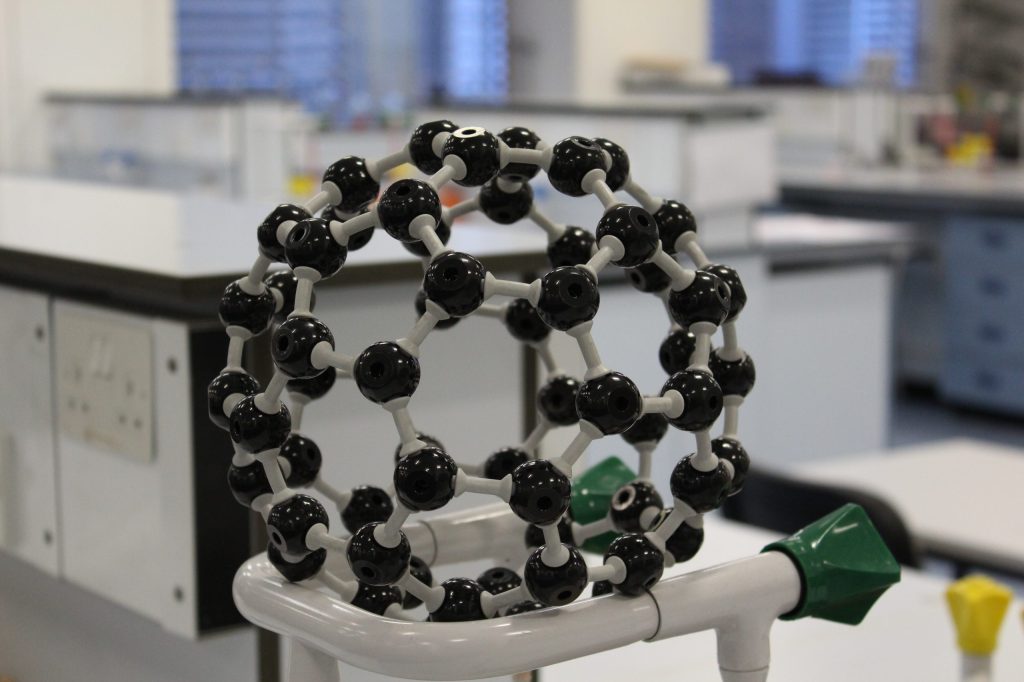
Chris Robinson has just told me the sad news that Chris Toumey (a cultural anthropologist who worked at the University of South Carolina) has died very suddenly. Chris was a kindred spirit and a fantastic science communicator. So, instead of writing an obituary, I’ll tell you a little personal story about engagement, energy, enthusiasm and…
-

Gene drives and metaphors
I have been writing about developments in the biosciences for twenty years. In that time, I have covered a wide variety of topics, such as cloning, genomics, the human genome project, the microbiome project, faecal microbial transplants, synthetic biology, epigenetics, genome editing and now gene drive. I was lucky enough to get many reflections on…
-
Gnomes, ichthyosaurs and 19th-century science communication
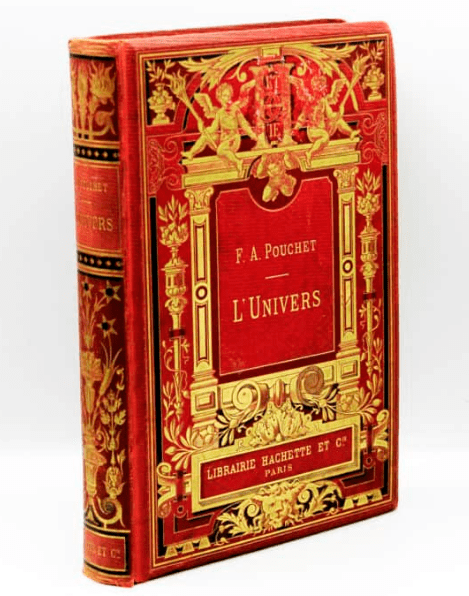
Last weekend I had an interaction on Twitter that got me away from doomscrolling and transported me back to my safe place, namely the 19th century. In my past life, when I was very young, I wrote a Staatsexamensarbeit, a sort of MA for people on the teacher training track (I never went to the…
-
Endemic confusion
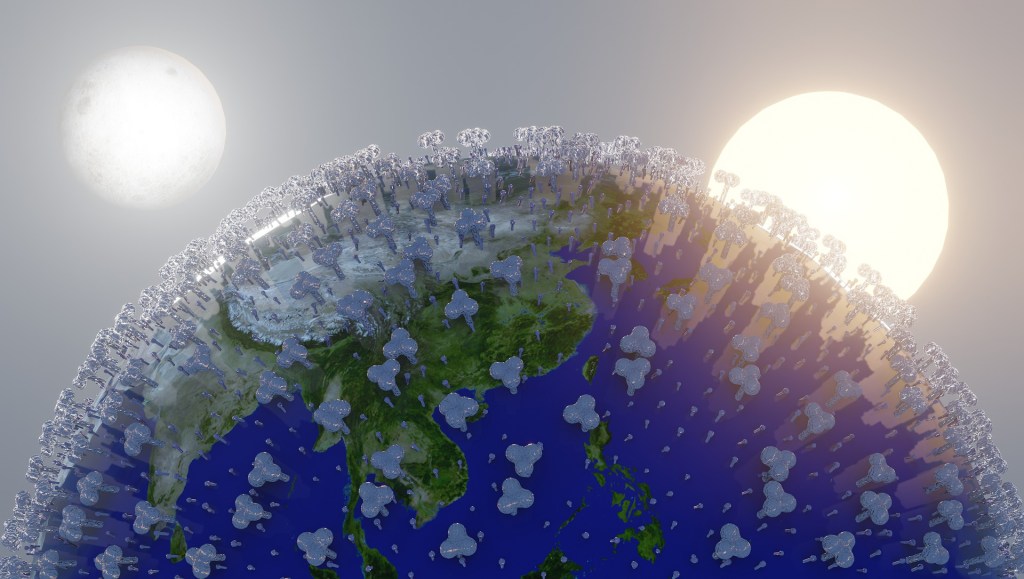
A few days ago, I saw this tweet by Bill Hanage and smiled: “For some reason there seems to be a lot of talk about endemicity again. For the avoidance of doubt, omicron is not endemic right now in much the same way that the moon is not a hamster”. I read many of the…
-

Pandemics, time and learning
I was reading a thought-provoking article by Katherine J. Wu, Ed Yong and Sarah Zhang in The Atlantic, entitled “Omicron is our Past Pandemic Mistakes on Fast-Forward”. As a metaphor-collector, I loved the first paragraph – which was all about speed: “With Omicron, everything is sped up. The new variant is spreading fast and far.…
 Making Science Public