Making Science Public: A blog on science, language and culture
-

Metaphor, alchemy and lessons from the 17th century
Philip Ball has just published a magnificent book on the history of alchemy: Alchemy: An Illustrated History of Elixirs, Experiments, and the Birth of Modern Science. This made me think about metaphor, of course, given how central metaphorical language was to alchemical practice. In a sense, metaphor is alchemy, metaphorically speaking, as it transmutes two…
-
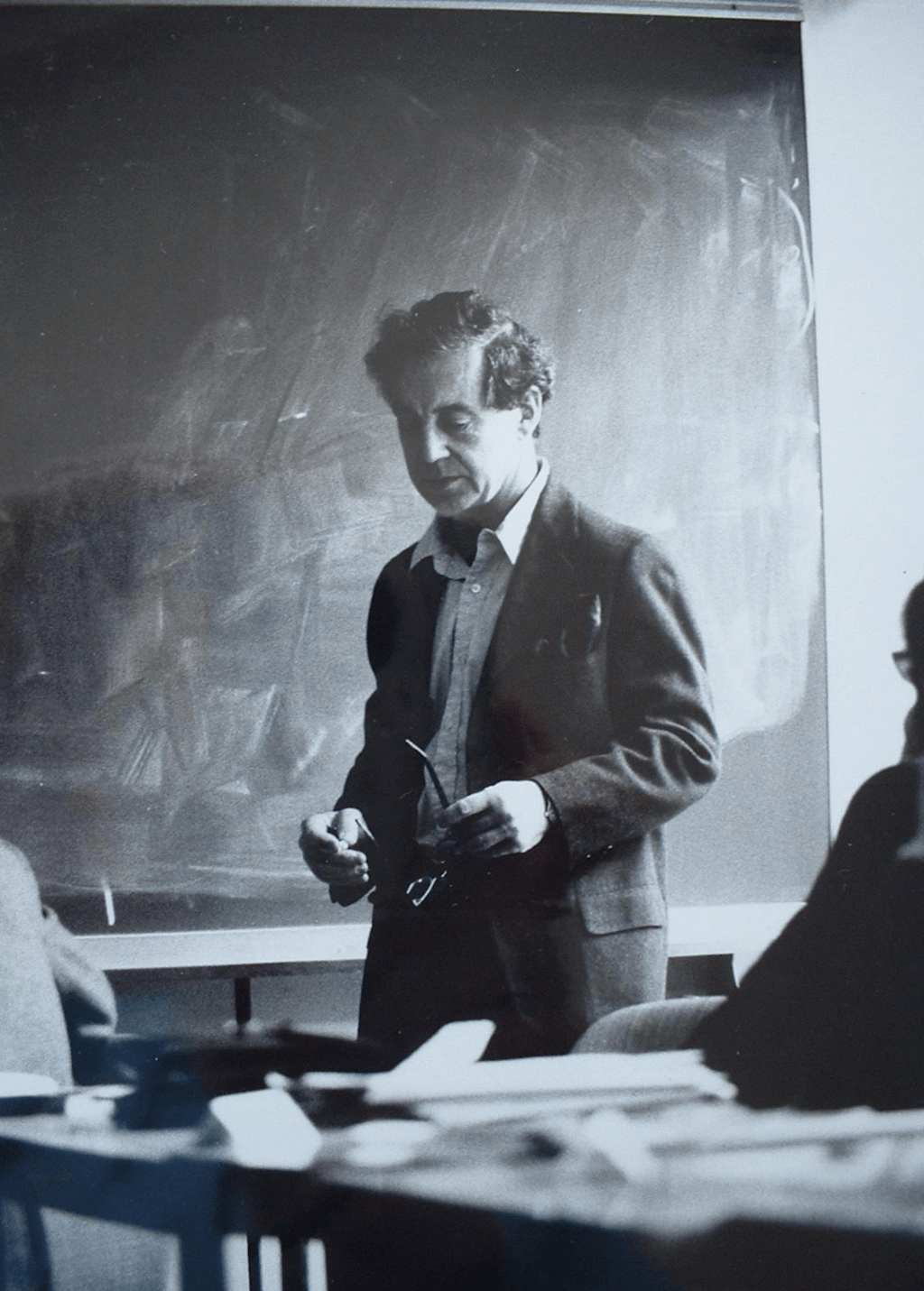
Erving Goffman: Memories, method and metaphors
If you do sociology or, indeed, any social science whatsoever, you’ll come across the work of Erving Goffman. I have done too but never engaged with it as much as I should have done. This was brought back to me when I talked with somebody who once shared a taxi-ride with Goffman and chatted with…
-

Participation at the core: AI, ELSI and community engagement
Alondra Nelson, a sociologist, STS scholar and expert on AI policy and ethics, recently published a letter in Science proposing that artificial intelligence (AI) should adopt the Ethical, Legal, and Social Implications (ELSI) framework from genomics, an approach designed to put social concerns at the heart of technology governance. Nelson argues that meaningful community engagement…
-

Understanding computational hermeneutics: Making meaning between the past and the present
A large group of scholars led by Cody Kommers and Drew Hemment at the Alan Turing Institute recently published a paper on ‘computational hermeneutics’. They mention Hans-Georg Gadamer and Wilhelm Dilthey, two godfathers of hermeneutics, and talk about situated meaning, ambiguity and the plurality of meaning. How intriguing, I thought. The paper brought back memories…
-

AI winter and AI bubble: Historical and metaphorical reflections
I have followed the emergence of recent developments in AI from the end of 2022 onwards, marked by the launch of OpenAI‘s AI chatbot ChatGPT. It’s now the middle of 2025 and a LOT has happened in this space. From being a niche and nerdy topic, AI has become a topic discussed across society. Recently, I…
-

Situational metaphors, satire and sense-making
I was idly perusing Bluesky on 13 August when I read this exchange: “This evening, a fire truck was coming from the opposite direction, sirens blaring, lights blazing. There was an obstinate car that refused to make way. I later realized it was a Waymo driverless car. It didn’t know better. I hope that clueless…
-
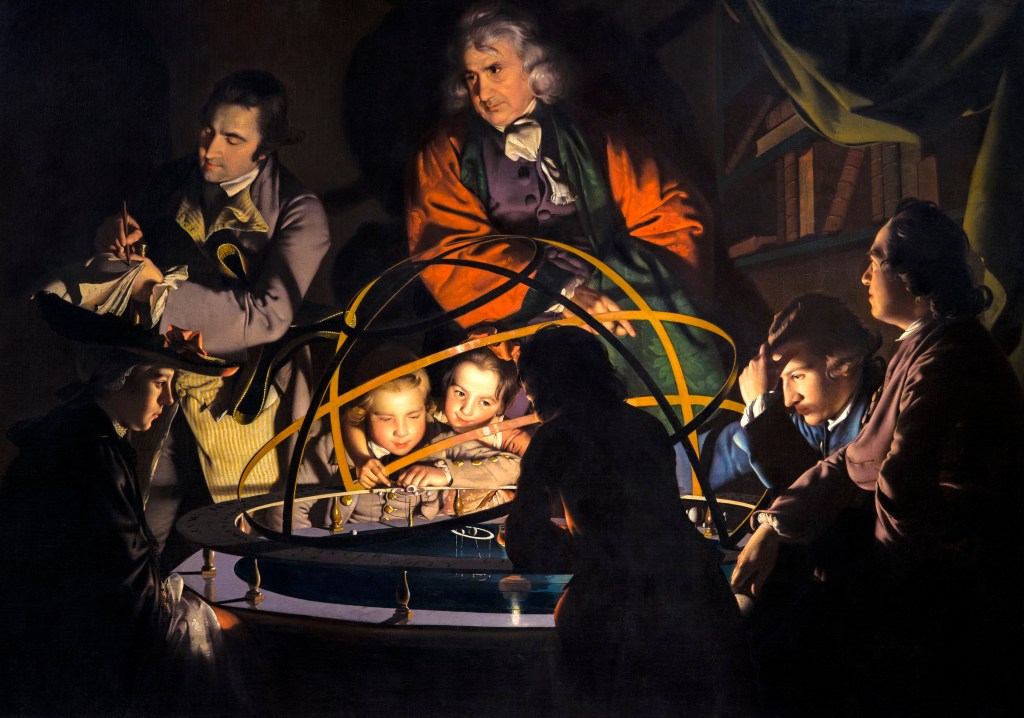
Let there be light!
We recently visited Derby and, for the first time in forty years, I actually went into the Cathedral. It doesn’t look very prepossessing from the outside, but boy the inside is great. It is full of light. It was built in 1725 and reflects and interacts with the ideas and values of the Enlightenment era. I…
-

From dissemination to firefighting: The new reality of science communication?
Three things happened recently in my Bluesky timeline which made me think about the fate of science communication. In this post I’ll use these brief glimpses into science communication activities, science communication research and government science communication to reflect on how science communication might change, especially in the United States. Three snapshots of science communication…
-

Beauty and the snail
Since around 2016, the year I retired, I have followed the blossoming career of another University of Nottingham academic, Angus Davison, a professor of evolutionary genetics and expert on snails and a science communicator. He became famous in 2016 when he began to write and broadcast about ‘Jeremy the lonely lefty snail’, a snail with…
-

Can Better Words Lead to Better Climate Action?
This is a cross-posting of the beginning of an article by Becca Warner for ATMOS magazine (thanks for the permission!). As this article contains some extracts from her interview with me, I thought it might make a good addition to the Making Science Public blog. To read Becca Warner’s article, please use this link! Article…
 Making Science Public