Making Science Public: A blog on science, language and culture
-
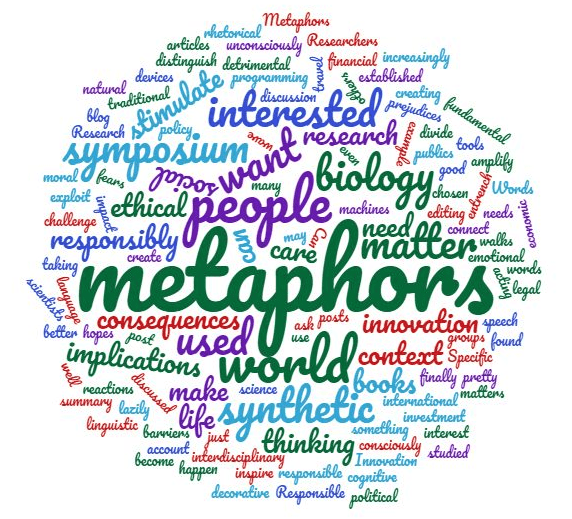
Synthetic Biology, Metaphors and Responsibility
Nottingham Synthetic Biology Research Centre Symposium: Title: Metaphors, Synthetic Biology and Responsibility Time: Monday, 22 May 2017 Place: East Midlands Conference Centre, University of Nottingham Event information and booking Overview Metaphors are not just decorative rhetorical devices that make speech pretty. They are fundamental linguistic and cognitive tools for thinking about the world and acting…
-
Something for nothing
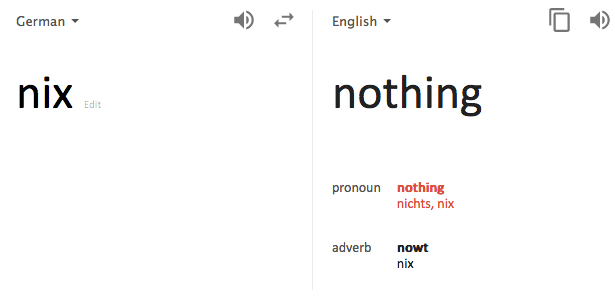
This is a blog post about nothing in particular. It’s more a stream of thoughts and associations… But in the end I’ll be talking about Kepler and snowflakes and Pluto and its moon. Nix The other day I was talking to my sister. She asked in German whether I had an idea for my next…
-

Responsibility and openness
Hilary Sutcliffe (RRI specialist) recently made me aware of an article by Arie Rip published in the Journal of Responsible Innovation. At the time of our twitter exchange the article was not openly available, so Stephen Curry (Open access specialist) sent me a copy. The article is entitled ‘The clothes of the emperor. An essay…
-

Hybrids and chimeras: Mythology, history and science
Last week two papers were published about human and other chimeras, one in Cell on ‘Interspecies chimerism with mammalian pluripotent stem cells’ and one in Nature entitled ‘Interspecies organogenesis generates autologous functional islets’. The first one caused a bit of a stir in the newspapers. About 70 newspaper articles covered this potential scientific breakthrough in All…
-

Rogues and resistance
Over the last few weeks, when I could tear myself away from my twitter maelstrom of doom, I have been reading Anthony Gottlieb’s The Dream of Enlightenment. On pp. 198-190 I came across Adam Smith’s eulogy of David Hume (1711–1776) in which he recounts a visit to the dying philosopher. During that visit Hume told…
-

Alternative facts: The good, the bad and the ugly
On 22 January “Senior White House aide Kellyanne Conway appeared on NBC’s Meet the Press … and spoke to host Chuck Todd about a briefing the new press secretary, Sean Spicer, had held earlier in the weekend. Spicer claimed Donald Trump’s inauguration had attracted record numbers of spectators. Conway denied the statements were lies, instead…
-
‘An Inconvenient Truth’: Exploring the dynamics of making climate change public
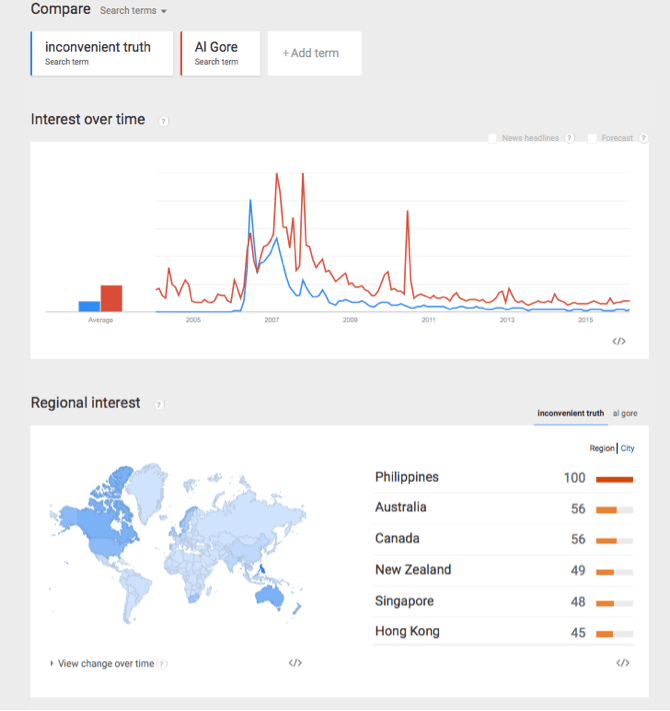
Warren Pearce and I wrote a guest post for And Then There is Physics. I am reposting it here with permission. *** In 2006, Al Gore’s climate change documentary ‘An Inconvenient Truth’ (AIT) was released, garnering substantial public attention. In a forthcoming chapter of a book on Science and the Politics of Openness (part of…
-
The mystery of the missing Martians
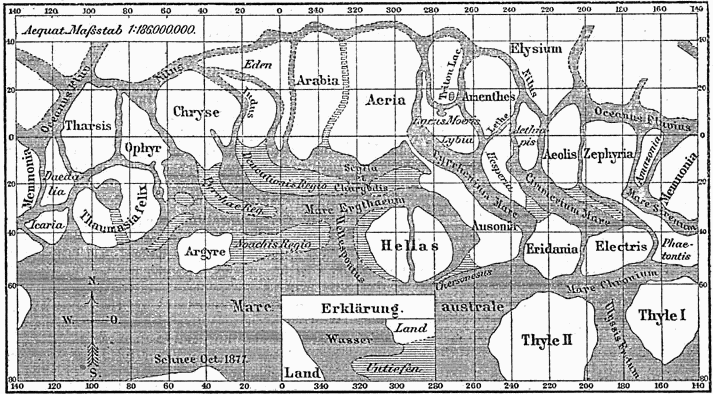
When the present is depressing and the future uncertain, it is sometimes nice to retreat to the past, especially to past futures. I recently tried to distract myself from the present by staring at Venus, Moon and Mars illuminating the evening sky. I then led my eyes wander around the internet and I inadvertently came…
-

Building bridges in mind, language and society
On 2 January Mo Costandi tweeted: “’Be the neurotransmitter in your world. Diffuse ideas & human connections.’ Talking, the new world changing concept”. The quote within the tweet was taken from an article by David Rowan, Editor of Wired, in response to the 2017 question posed by Edge: What scientific term or concept ought to…
-
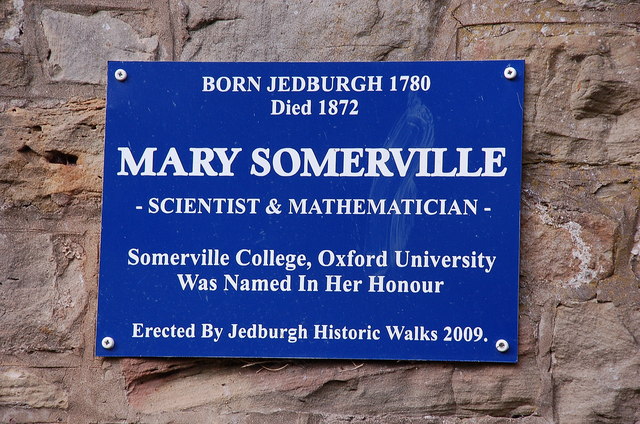
Science communication: Mary Somerville
Every so often, and yet again just before Christmas this year, little skirmishes erupt on the history of science scene when somebody says that the word ‘scientist’ was first coined for Mary Somerville. The claim is then rebuffed by pointing out that the term was first used in print in 1834 in a review of…
 Making Science Public