Making Science Public: A blog on science, language and culture
-
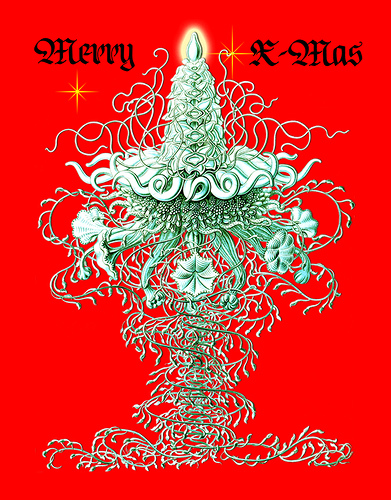
Ernst Haeckel, Christmas Cards, and Fake News
This is a brief post inspired by a tweet which led me down a rabbit-hole…. I was looking idly through my tweets this morning when my eye landed on one by Mo Costandi saying “Before his ‘Artforms in Nature’ (http://bit.ly/1GIlTwE), Ernst Haeckel designed greeting cards”. This led me to a flickr page where John Holbo…
-
Making Science Public: 2016 blog round-up
This has been a weird and momentous year. For me personally and, even more so, for the world. In June this year we celebrated the almost end of the Making Science Public programme, which I directed between 2012 and 2016. At the end of September I retired, after working for more than 25 years at the University…
-
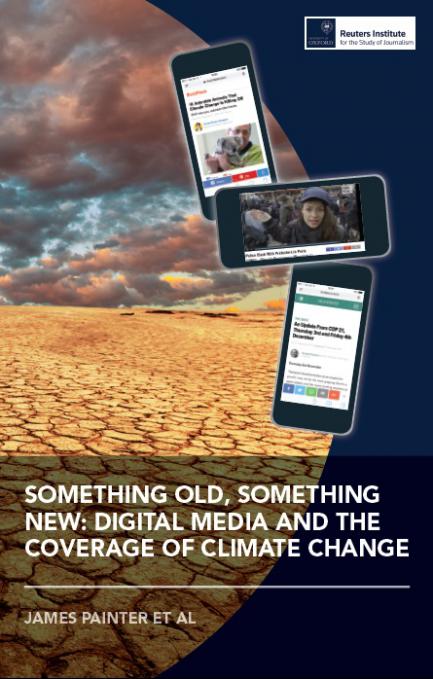
Climate Change on the Bathroom Wall: How Vice, BuzzFeed and the Huffington Post report on environmental issues
This is guest post by Mike S. Schäfer, Professor of Science Communication at the Institute of Mass Communication and Media Research (IPMZ) and Director of the Center for Higher Education and Science Studies at the University of Zürich, Switzerland. This article was first published in the European Journalism Observatory, Dec 14, 2016. *** Shouting protesters…
-
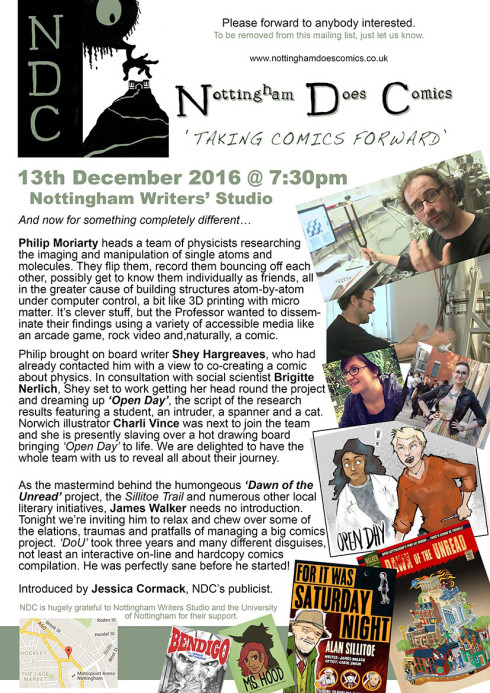
Nano does Nottingham Does Comics
This is a guest post by Phil Moriarty. It continues the story of the graphic novel being created as part of a project trying to achieve 3D printing with atoms, which I have started to document here and here. *** Yesterday evening I spent a fun few hours at the Nottingham Writers’ Studio with my colleagues…
-
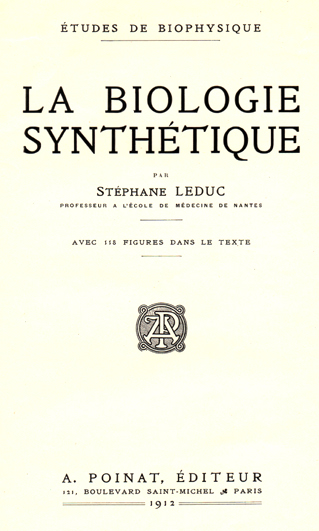
Origins of life; origins of synthetic biology
I was sitting on a train to London the other day reading a fascinating article on the early history of synthetic biology. In this post I just want to share some interesting insights I gleaned from that paper, as it’s always a good thing to know a bit more about the history of a field…
-

Making sense of plasticity
I recently got an invitation to a workshop on ‘Plasticity and its Limits’ (which will bring together scholars from the social sciences, humanities and life sciences and focuses mainly on epigenetics). When I accepted the invitation I had, I have to confess, not given much thought to the concept of plasticity – I had, however,…
-
Meanings of RRI: The missing link between theory and practice
This is a guest post by Alasdair Taylor, Industry Programme Manager at The Royal Society, formerly a research chemist at the University of Nottingham. This blog post is based on the author’s article (co-authored with Sarah Hartley and Warren Pearce), ‘Against the tide of depoliticisation: The politics of research governance’, published open access in Policy & Politics.…
-
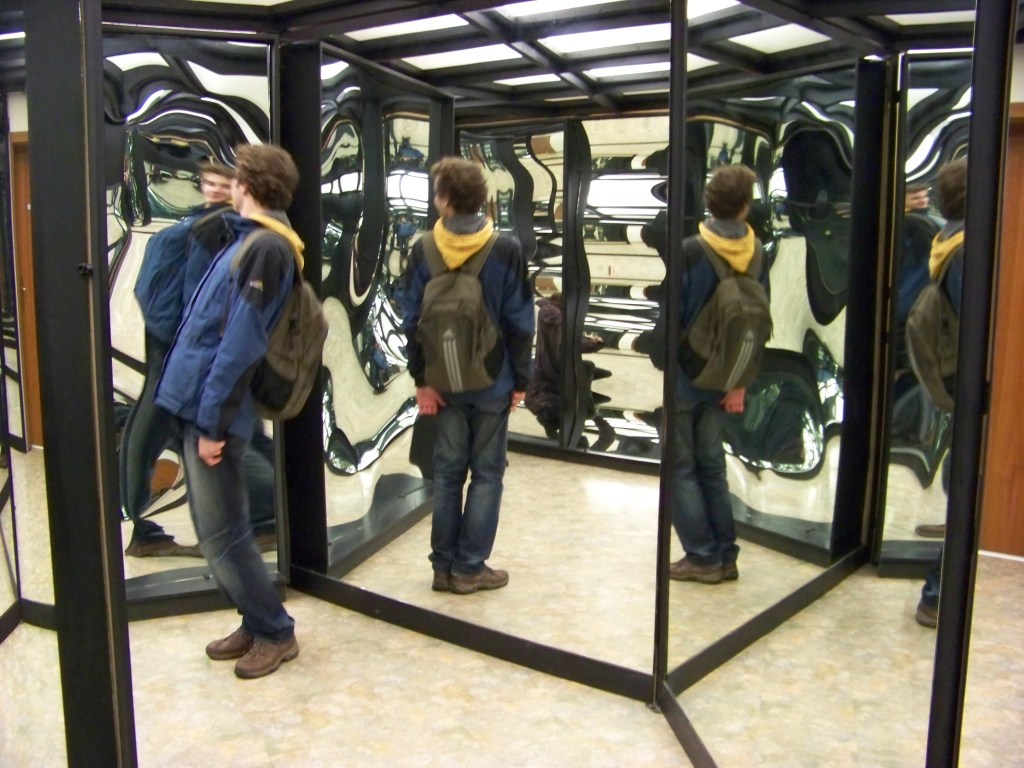
Science communication in a hyper-real world
I recently asked myself the question: Is there still a point in doing or thinking about ‘science communication‘ in a world where facts have become indistinguishable from fiction and where experts and scientists are regarded with suspicion. This question struck me again quite forcefully when listening to the Now Show on Saturday 19 November, a…
-

Responsible research and innovation in the UK university: the politics of research governance
This article by Sarah Hartley and Warren Pearce was first published on the LSE Impact Blog on 14 November, 2016 and is republished here under a CC BY 3.0 licence. *** What is science for? One answer to this might be “to answer questions about how the world works”. Sounds simple, but packed into these eight words are…
-
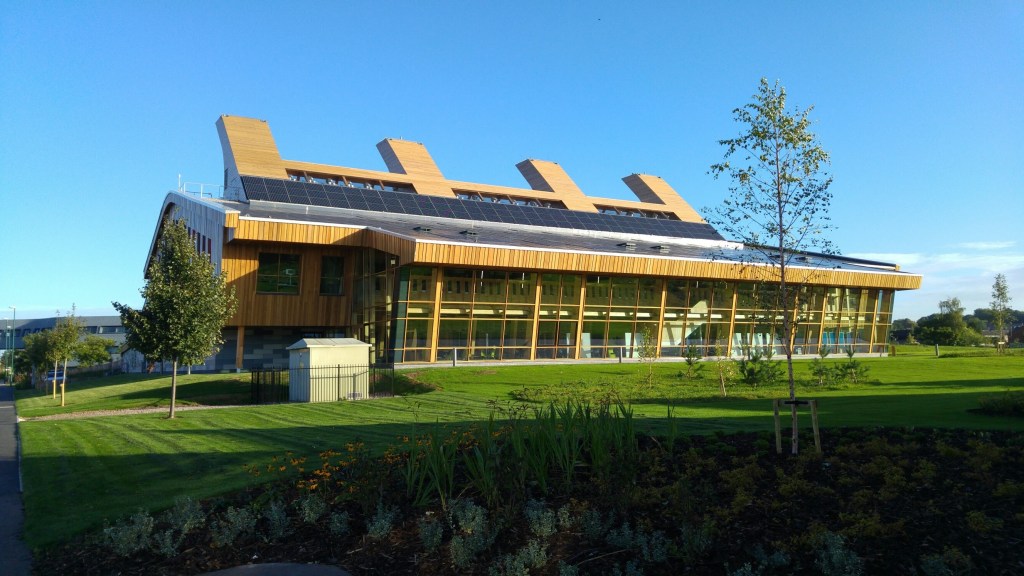
The Carbon Neutral Lab: Science, culture, values
This week we held our yearly Synthetic Biology Research Centre (SBRC) Strategic Advisory Board Meeting. The meeting took place in the Carbon Neutral Laboratory which houses the Centre for Sustainable Chemistry. This building has become quite famous because it burned down last year, was rebuilt and opened this year. I should say from the outset…
 Making Science Public